




Why Storage Is Your First Step
The journey to a delicious meal with delightful texture begins long before the stove is lit. It starts with smart storage. The way we store our food directly impacts its cellular structure. Improper storage—whether it's the wrong temperature or exposure
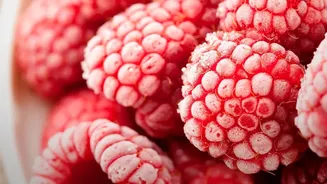
to air and moisture—can cause food to lose its natural crispness, firmness, or juiciness before you even start prepping. For instance, vegetables lose their snap as their cells break down from moisture loss, while meat can become tough or mushy due to ice crystal formation in the freezer. Think of storage as the foundation; if it’s weak, no amount of brilliant cooking can fully repair the damage. By mastering a few simple storage rules, you preserve the integrity of your ingredients, setting yourself up for culinary success.
Mastering Your Fridge and Pantry
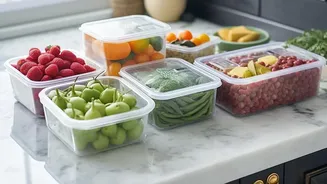
Proper storage is about creating the optimal environment for each food item. Your refrigerator should be kept at or below 4°C, and your freezer at -18°C or below. Store raw meats, poultry, and seafood in sealed containers on the bottom shelf to prevent juices from dripping onto and contaminating other foods. Many fruits and vegetables, however, have different needs. Leafy greens stay fresher when stored with a bit of humidity, but they shouldn't be washed until you're ready to use them, as excess moisture can lead to rot. On the other hand, items like potatoes, onions, and garlic thrive in a cool, dark, and dry pantry, not the cold, damp fridge. Similarly, whole spices, dals, and grains should be kept in airtight containers in a dark cupboard to protect them from heat, light, and pests, preserving their flavour and texture for longer.
Common Storage Mistakes to Avoid
Many of us make simple storage mistakes that degrade our food without us realising it. A very common error is refrigerating foods that shouldn't be, such as tomatoes, which can become mealy and lose flavour in the cold. Storing everything together is another issue; many fruits like apples and bananas release ethylene gas, which can cause nearby vegetables to ripen and spoil faster. Leaving leftovers uncovered in the fridge allows them to dry out and absorb other odours. Another frequent mistake is putting hot food directly into the refrigerator. While you shouldn't leave it out for more than two hours, letting cooked food cool slightly before refrigerating it helps your appliance work more efficiently and prevents the surrounding food from warming up into the bacterial “danger zone” between 4°C and 60°C.
Cooking Techniques That Transform Texture
Once you have perfectly preserved ingredients, it's time to cook. The right technique can elevate a good ingredient to a great one. Texture is just as important as flavour, whether it's the crispiness of a fried snack or the creaminess of a dal. Dry-heat methods like roasting, grilling, and searing are excellent for creating browning and a flavourful crust. Moist-heat methods such as steaming, simmering, and braising are ideal for softening tough cuts of meat and fibrous vegetables, making them tender and succulent. The key is to match the method to the food and the desired outcome. Don't be afraid to combine techniques, such as searing meat before braising it to develop deep flavour while ensuring a tender result.
Achieving That Perfect Crisp and Tenderness
To get that coveted crispy texture on vegetables, three things are crucial: high heat, a dry surface, and space. Before roasting, make sure your vegetables are patted completely dry. Use a hot oven and don't overcrowd the pan, as this will cause the vegetables to steam instead of roast. For an extra crunch, some cooks even toss vegetables in a tiny amount of cornstarch before roasting. For tender meat, the secret is often low and slow cooking or a good marinade. Acidic ingredients in marinades like yogurt or citrus juice help to break down tough muscle fibres. Dry brining—salting the meat and letting it rest in the fridge for several hours—also results in a juicier, more tender final product by helping the meat retain its moisture during cooking.