



Why the Monsoon Increases Risk
The magic of the monsoon—the high humidity, persistent dampness, and overcast skies—creates the perfect breeding ground for bacteria, viruses, and fungi. Heavy rainfall can lead to water sources becoming contaminated with sewage and other pollutants,
which may be used to irrigate or wash vegetables before they reach the market. This contaminated water, combined with the warm and humid air, allows harmful microbes like E. coli and Salmonella to multiply rapidly on the surface of fresh produce. Furthermore, poor drainage and unhygienic conditions at markets can make it easier for germs to spread from one batch of produce to another, increasing the chances that your healthy salad ingredients are carrying unwanted guests.
The Hidden Dangers on Your Plate
Eating raw vegetables that haven't been properly cleaned can expose you to a host of pathogens that cause unpleasant and sometimes serious illnesses. The most common culprits behind food poisoning in India during this season include bacteria like E. coli, Salmonella, and Listeria, as well as parasites like Entamoeba. These can lead to symptoms like diarrhoea, stomach cramps, vomiting, fever, and gastroenteritis. Studies have shown that leafy greens, in particular, can be a reservoir for these microbes. While contamination often occurs during handling and transport, some bacteria like Salmonella can even enter the plant systemically from the soil through its roots, eventually making its way into the edible parts of the plant.
Your Step-by-Step Washing Guide
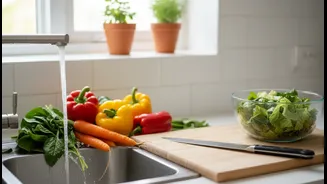
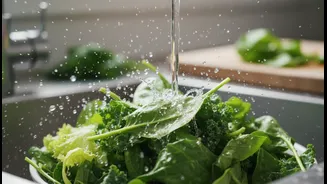
Simply rinsing your vegetables under the tap isn't enough during the monsoon. To ensure your salads are safe to eat, adopt a more thorough, multi-step cleaning process. Start by rinsing the vegetables under clean, running water to remove any visible dirt and grit. For leafy greens, separate the leaves to ensure water reaches all surfaces. Next, prepare a soak. Fill a large, clean bowl with water and your chosen cleaning agent. Submerge the vegetables completely and let them soak for at least 15-20 minutes. This allows the solution to work on breaking down pesticide residues and killing microbes. After soaking, give the vegetables a final, thorough rinse under fresh running water to wash away any remaining cleaning solution and dislodged contaminants. Finally, pat them dry with a clean cloth or use a salad spinner before chopping.
Effective Soaking Solutions from Your Kitchen
You don't need expensive commercial vegetable washes. Simple ingredients found in most Indian kitchens can be highly effective. A saltwater soak is a great option; a solution of about one part salt to nine parts water works well to remove pesticides and can also help draw out small insects hiding in leafy greens. Another powerful choice is a vinegar solution. Mix one part white vinegar with three parts water for a potent soak that can remove up to 98% of bacteria from the surface of produce. For vegetables with tougher skins, a baking soda solution (about two teaspoons in four cups of water) is excellent for scrubbing away residues after a 15-minute soak. However, it's important not to mix vinegar and baking soda together, as they neutralize each other and lose their cleaning power.
Veggies That Need Extra Attention
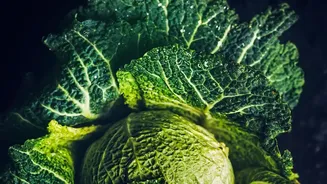
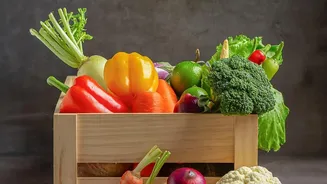
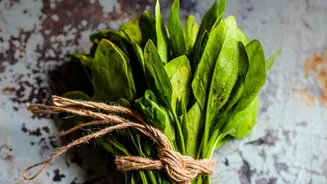
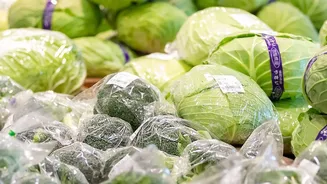
While all raw produce needs care, some types are riskier than others. Green leafy vegetables like spinach, lettuce, and cabbage are particularly vulnerable because their many layers can easily trap mud, microbes, and insects, making them difficult to clean. Cruciferous vegetables such as cauliflower and broccoli have dense florets with tiny crevices that can harbour moisture and pests, requiring you to break them apart before soaking. Vegetables often eaten raw with their skin on, like cucumbers, tomatoes, and bell peppers, also need careful scrubbing and washing, as their surfaces are directly exposed to contaminants. It is wise to be extra meticulous when preparing these specific items for your monsoon salad bowl.