



A Two-Pronged Offensive
BMW Group India is embarking on one of its most aggressive expansion plans to date, centered on a dual strategy of network growth and product portfolio enhancement. The company has confirmed it will add 19 new sales and service outlets, referred to as touchpoints,
across 18 cities. This move is designed to bring the brand closer to customers in regions with growing wealth but historically limited access to luxury automotive infrastructure. Simultaneously, the automaker is planning a significant product onslaught. While the headline mentions 14 products, recent announcements have detailed an even larger plan for 2026, with as many as 27 product actions, including all-new models, major updates, and facelifts across the BMW, MINI, and BMW Motorrad brands. This comprehensive strategy aims to solidify its position and challenge for market leadership in India's competitive luxury segment.
Reaching Beyond the Metros
The decision to add 19 new touchpoints is a direct response to the changing economic landscape in India. While major metropolitan areas remain crucial, significant wealth creation is now happening in Tier-2 and Tier-3 cities. BMW's plan includes strategic entries into markets like Jammu, Amritsar, and Bhopal, demonstrating a clear intent to capture this emerging customer base. This physical footprint expansion is about more than just sales; it's about delivering the high-touch, premium experience that luxury buyers expect. In an increasingly digital world, the ability to see, feel, and test-drive a vehicle, coupled with accessible after-sales service, remains a critical differentiator. This move ensures the full BMW ownership experience is available to a much wider audience across the nation.
An Unprecedented Product Pipeline
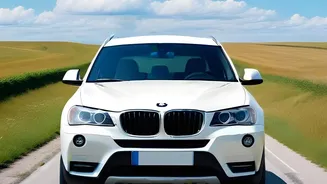
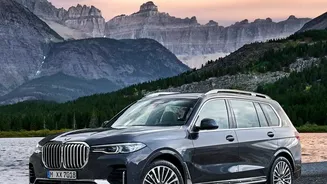
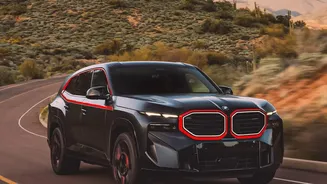
The product side of the strategy is equally ambitious. The plan for 2026 involves a mix of six entirely new models, four comprehensively updated vehicles, and 17 facelifts or model year updates. This ensures a constant stream of fresh and relevant products to attract new buyers and encourage existing customers to upgrade. The launches will span the entire range, from accessible models to the ultra-luxury 'Luxury Class' vehicles like the 7 Series and X7, which already account for a significant portion of sales. The product offensive also includes the MINI and BMW Motorrad brands, with models like the new MINI Countryman and the F 450 GS adventure motorcycle set to drive volumes. This strategy of 'omnipresence' aims to ensure BMW has a compelling offer in every sub-segment of the premium market.
Doubling Down on Electric
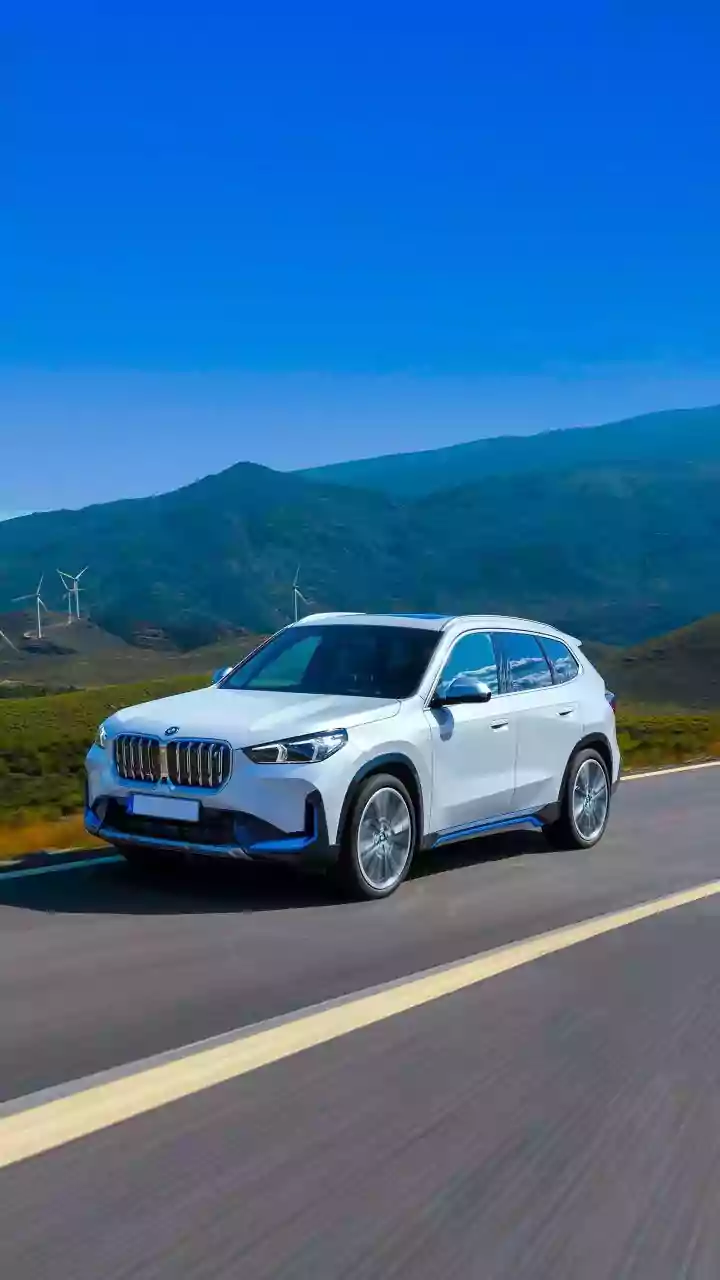
A key pillar of this expansion is BMW’s continued focus on electric mobility. The company has dominated the luxury EV segment in India, and the upcoming launches are set to reinforce this lead. Among the expected arrivals are the BMW i5 in a long-wheelbase version, the BMW iX3, and potentially the MINI Aceman EV. This 'Electric First' philosophy is backed by strong sales performance, with BMW's EV sales showing remarkable year-on-year growth. To make these models more accessible, the company is actively exploring the local assembly of EV components, which could help mitigate high import duties and make pricing more competitive. This aligns with a broader push for increased localization across its portfolio, with a goal to source more than 50% of components locally from its Chennai plant.
Navigating a Competitive Market
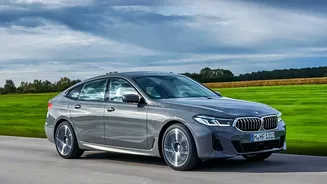
BMW's aggressive moves are set against the backdrop of a booming Indian luxury car market, which is projected to grow significantly over the next decade. The market is primarily driven by a rising number of high-net-worth individuals and a growing preference for premium and exclusive vehicles. Sport Utility Vehicles (SUVs) are the dominant force, making up a large portion of luxury sales. However, BMW notes that sedans still command a substantial 38% of the luxury market, justifying its continued focus on models in that category. This multi-pronged offensive, combining network expansion, a diversified product portfolio, and a strong EV focus, positions BMW to compete fiercely with rivals like Mercedes-Benz and Audi for the top spot in one of the world's most promising luxury markets.