




Understanding Urad Dal
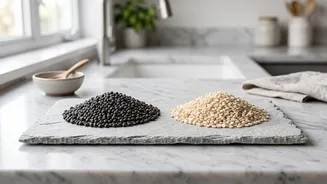
Urad dal, or Vigna mungo, is a type of bean that comes in several forms. The most common are 'sabut urad' (whole black gram with the skin on), 'dhuli urad' (split and skinned white dal), and 'urad dal chilka' (split with the skin on). The whole black dal is known
for its earthy flavour and creamy texture when slow-cooked. The white, skinned version is lighter and is essential for making the batters for South Indian staples like idli and dosa, where its unique properties help create a light, fermented, and fluffy texture. Nutritionally, urad dal is a fantastic source of plant-based protein, with about 25 grams per 100g serving. It's also rich in dietary fibre, iron, calcium, and magnesium, making it beneficial for digestion, bone health, and energy levels.
The Rich Indulgence: Dal Makhani
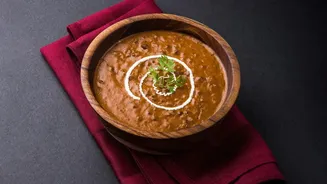
Perhaps the most famous dish made with whole urad dal is Dal Makhani. This iconic North Indian curry is a luxurious, slow-cooked preparation that is a staple at celebrations and restaurants. The recipe traditionally combines whole black urad dal with a smaller amount of rajma (red kidney beans). The lentils are soaked overnight and then simmered for several hours with tomato puree, ginger, garlic, and a blend of aromatic spices. The dish gets its name, which means 'buttery lentils', from the generous amounts of butter and cream added towards the end of cooking, giving it a signature rich and velvety texture. This is a dal that cannot be rushed; its extraordinary flavour develops over a long, slow cooking time.
The Crispy Delight: Medu Vada
Showcasing the incredible versatility of urad dal, Medu Vada is a popular South Indian snack that is crispy on the outside and soft and fluffy on the inside. These savoury, doughnut-shaped fritters are made from a thick batter of soaked and ground split white urad dal (dhuli urad). The key to a perfect Medu Vada lies in grinding the dal with very little water to form a thick paste, which is then whipped to incorporate air, making the final product light. The batter is seasoned with ingredients like finely chopped onion, green chillies, ginger, curry leaves, and crushed black peppercorns. Small portions of the batter are then shaped by hand, with a characteristic hole in the centre, and deep-fried until golden brown. They are typically served hot with coconut chutney and sambar.
The Daily Comfort: Urad Dal Tadka
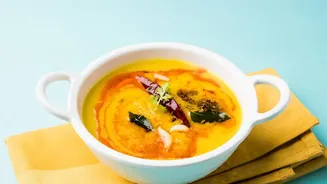
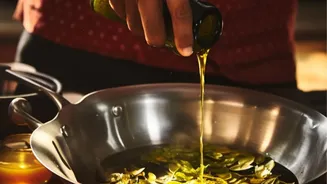
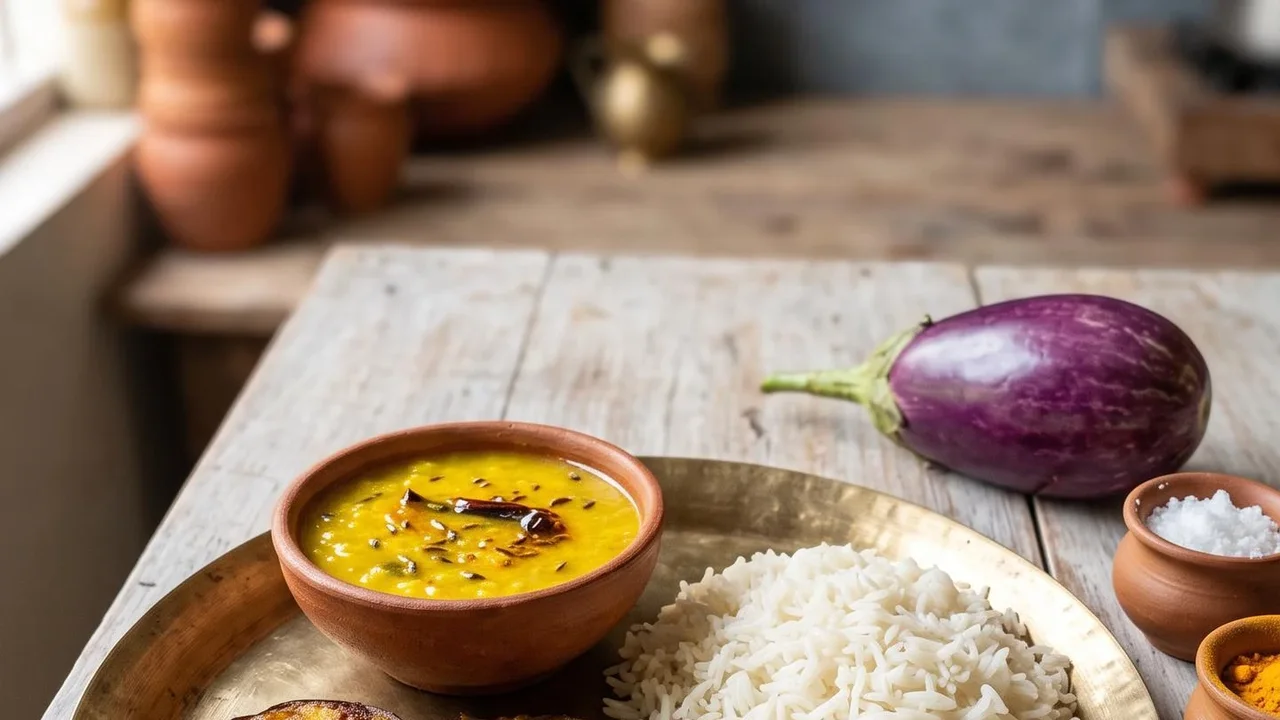
For a simpler, everyday meal, a basic Urad Dal Tadka is a comforting and flavourful choice. This dish typically uses split urad dal, either with or without the skin. The dal is first boiled until soft and creamy. While the dal is cooking, a 'tadka' or tempering is prepared separately. This involves frying spices like cumin seeds, mustard seeds, asafoetida (hing), and dried red chillies in hot ghee or oil until they become aromatic. Finely chopped onions, tomatoes, ginger, and garlic are often sautéed as part of this tempering to create a flavourful base. This aromatic spice mixture is then poured over the cooked dal, infusing it with a burst of flavour. It's a much quicker preparation than Dal Makhani and serves as a nourishing staple in many Indian households.
The Pairing Puzzle: Rice or Roti?
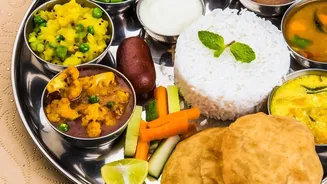
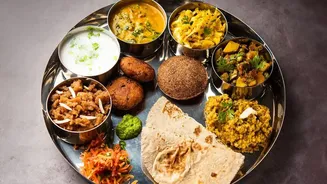
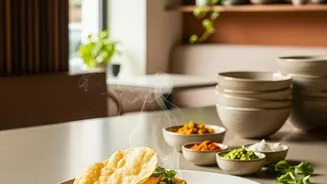
The choice between rice and roti often comes down to the consistency of the dal and personal preference. There are, however, some classic culinary pairings. Rich, thick, and creamy dals like Dal Makhani are traditionally best paired with breads like naan, paratha, or roti. The bread is perfect for scooping up the thick gravy. Lighter, more soupy dals, like a simple Urad Dal Tadka, are often best enjoyed poured over a bed of steamed rice, allowing the grains to soak up the flavour. From a nutritional standpoint, both combinations are excellent. Pairing dal with either rice or roti creates a complete protein, providing all the essential amino acids your body needs. For a healthier option, consider using whole wheat roti or brown rice to increase your fibre intake.