
An Ancient Grain for Modern Times
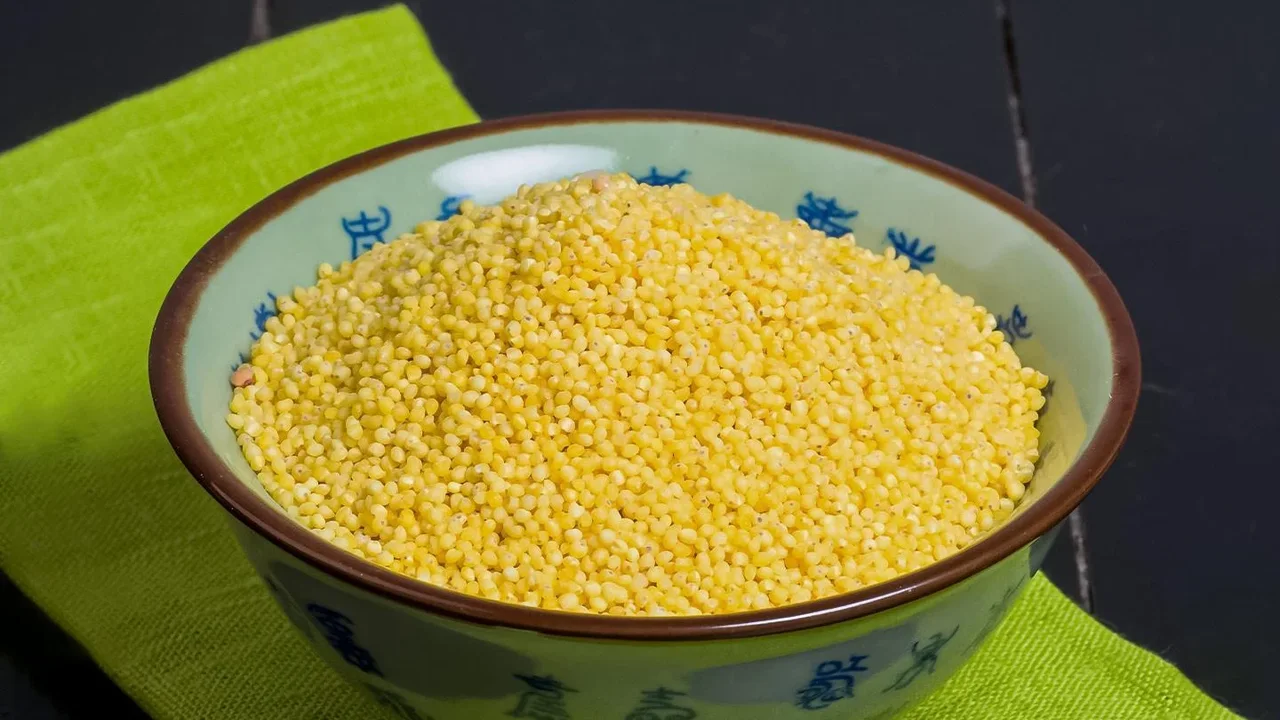
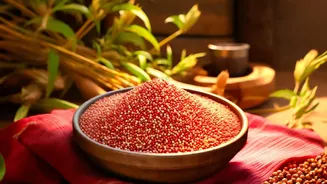
Ragi, also known as finger millet or nachni, is an ancient grain that has been a staple in parts of India for centuries, especially in southern states like Karnataka. Traditionally valued by farming communities for its ability to provide sustained energy,
it was often consumed as ragi mudde (steamed balls), porridge, or rustic rotis. After being overshadowed by wheat and rice for decades, ragi is being rediscovered by a new generation. This is thanks to a growing awareness of its incredible health benefits and a desire for more diverse, climate-resilient foods.
The Nutritional Powerhouse: Key Facts
Ragi's resurgence is no surprise when you look at its nutritional profile. It is celebrated as one of the best plant-based sources of calcium, crucial for bone health in both children and adults. It is also packed with iron, making it beneficial in preventing anaemia. As a gluten-free grain with a low glycemic index, it is an excellent choice for those with gluten intolerance and individuals managing diabetes. Furthermore, its high dietary fibre content aids digestion, promotes a feeling of fullness for effective weight management, and helps maintain healthy cholesterol levels.
Beyond the Basics: Ragi for Breakfast
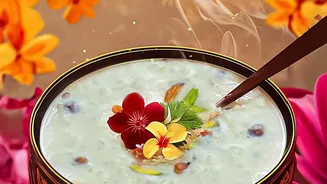
The new way of using ragi begins with the first meal of the day. Forget plain porridge and think bigger. You can make fluffy, nutritious pancakes by mixing ragi flour with a ripe banana, milk or curd, and a touch of jaggery. Another quick option is an instant ragi dosa, which doesn't require the long fermentation of its rice-based cousin; simply mix the flour with curd, water, and spices for a savoury, crispy treat. For a refreshing start, try a smoothie bowl by blending a cooled ragi porridge base with fruits like mango or banana and topping with nuts and seeds.
Rethinking Lunch and Dinner
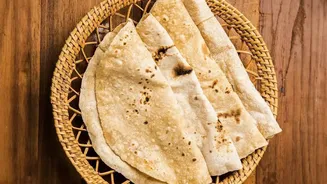
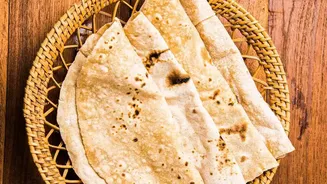
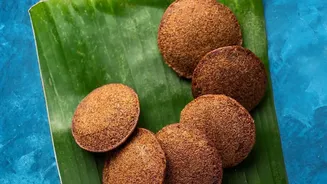
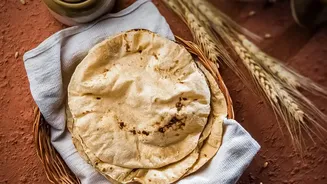
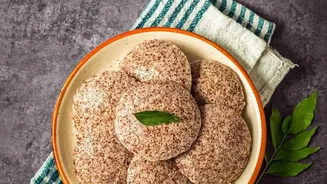
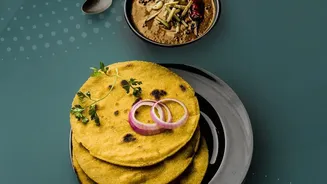
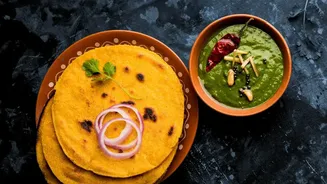
Traditional staples are also getting a modern update. While ragi roti has always been popular, you can make it softer and easier to roll by using hot water to prepare the dough. This simple trick transforms the texture, making it more appealing. You can also craft nutritious ragi idlis, which are soft, spongy, and a great alternative to the usual rice idlis. For a quick meal, ragi upma is a fantastic choice, where roasted ragi flour is cooked with vegetables and spices, offering a wholesome and filling dish in minutes.
The Sweet Surprise: Ragi in Baking
Perhaps the most surprising new frontier for ragi is in baking. Its earthy, slightly malty flavour pairs wonderfully with ingredients like chocolate and jaggery. You can easily substitute a portion of wheat flour (around 30-40%) with ragi flour in recipes for chocolate cake, brownies, and cookies. This not only adds a rich, dense texture but also boosts the nutritional value of your favourite treats. Ragi ladoos, made with roasted flour, ghee, and jaggery, are a classic healthy sweet that's quick to prepare.
A Pro Tip for Better Flavour
One simple step can elevate your ragi cooking significantly: roasting the flour. Before using it in any recipe, dry roast the ragi flour in a hot pan for three to five minutes until it releases a nutty aroma. This simple process removes any hint of bitterness and deepens its natural, earthy flavour, making your dishes far more delicious. This is especially effective for porridges and sweets.