







What Is the New Proposed Fee?
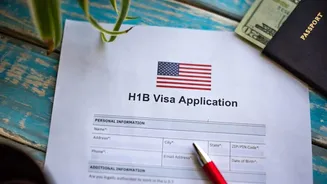
The Trump administration has formally proposed a rule to add a new $103,265 fee for each H-1B petition that is subject to the annual visa cap. This is not a total replacement of existing fees but a staggering addition to them. Currently, mandatory government
fees for a new H-1B petition typically range from about $2,225 to $3,595, depending on the size of the company. This new rule, published in the Federal Register by the Department of Homeland Security (DHS), would apply to employers after their H-1B registration is selected in the annual lottery. The stated goal of the fee is revenue generation, with the administration claiming it would help recover costs of administering the entire legal immigration system across multiple government agencies.
Who Would This Affect Most?
The proposal targets private employers of all sizes that rely on the H-1B lottery to hire specialized foreign talent. This includes the tech, engineering, healthcare, and financial services sectors. Because Indian nationals have historically received the majority of H-1B visas—often over 70%—they and their potential US employers would be disproportionately affected. The fee would also impact international students in the U.S. on F-1 visas who hope to transition to an H-1B visa after graduation. While universities and affiliated nonprofit research institutions are typically exempt from the H-1B cap, and thus would be exempt from this fee, the private companies that hire their graduates would not be.
A Familiar Tune with a New Approach
This is the Trump administration's second attempt at a six-figure H-1B fee. A previous effort in 2025 to impose a $100,000 fee via presidential proclamation was struck down by a federal court in June 2026. The court ruled that the fee was essentially an unlawful tax that exceeded the administration's authority. The new $103,265 proposal is being attempted through a different mechanism: the formal regulatory rulemaking process. The administration has also changed its justification. While the first fee was openly intended to restrict H-1B usage, the new proposal is framed as a way to fund immigration services, a legal argument designed to withstand court challenges.
The Long Road From Proposal to Policy
It is crucial to understand that this fee is not in effect. The publication of a proposed rule is just the first step in a lengthy federal process. The proposal is now open to a public comment period, during which businesses, organizations, and individuals can submit their feedback. After this period, DHS must review the comments before it can decide whether to issue a final rule. This process can take months, and even if a final rule is issued, it is almost certain to face immediate and significant legal challenges in court, much like its predecessor. Legal experts have already pointed out that the fee may still be viewed as a tax that exceeds DHS's authority.
Context Is Key: A History of Scrutiny
This proposal aligns with the Trump administration's long-standing approach to the H-1B program, which it has often criticized as a "cheap labor program" that displaces American workers. During his first term, the administration didn't increase fees this drastically but took other measures to tighten the program. These included raising the denial rate for H-1B petitions from 6% in FY 2015 to 24% by FY 2018 through increased scrutiny and more frequent Requests for Evidence. Rules were also proposed to increase the prevailing wage employers must pay, another method aimed at making it more expensive to hire foreign workers. This new fee is the most direct and extreme tactic yet in a years-long campaign to reshape the program.