




Back to Basics: Defining Traditional Diets
When we talk about a 'traditional diet,' we aren't referring to a single, rigid plan. Instead, it describes patterns of eating passed down through generations, rooted in local, seasonal, and minimally processed foods. Think of the well-studied Mediterranean
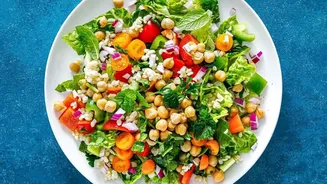
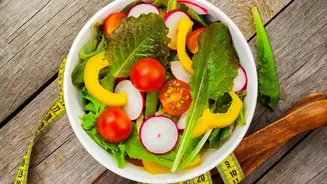
diet, with its emphasis on olive oil, fish, and fresh vegetables, or the traditional Japanese diet rich in seafood, fermented foods, and seaweed. In India, this translates to diverse regional cuisines that have long prioritized whole grains like millets and rice, a wide variety of lentils and legumes, seasonal vegetables, and a vibrant array of spices. These diets stand in stark contrast to the modern Western diet, which is often dominated by processed items, refined sugars, and unhealthy fats that are increasingly linked to chronic health issues.
The Engine of Your Body: Supporting Metabolism
Metabolism is the complex process by which your body converts food into energy. A healthy metabolism is crucial for maintaining a stable weight, energy levels, and overall vitality. Research suggests that traditional diets are naturally structured to support metabolic function. Foods rich in fibre, such as whole grains, lentils, and vegetables, help stabilize blood sugar levels and promote a feeling of fullness, preventing overeating. Many spices central to Indian cooking, like cinnamon and ginger, have been shown to have a positive effect on metabolism and insulin sensitivity. The focus on whole, unprocessed ingredients provides sustained energy without the sharp spikes and crashes associated with sugary, processed foods, helping to keep your metabolic engine running smoothly.
Strengthening Your Defenses: The Immunity Connection
A robust immune system is your body's best defense against illness. It turns out that about 70% of our immune system resides in the gut, making diet a key factor in its function. Traditional diets are typically packed with the vitamins, minerals, and antioxidants that immune cells need to thrive. Spices like turmeric, known for its anti-inflammatory properties, play a significant role. A study published in Nature Medicine provided compelling evidence: when participants switched from a traditional African diet to a Western-style one for just two weeks, they showed an increase in inflammation and a weaker immune response to pathogens. Conversely, switching back to a traditional diet had an anti-inflammatory effect, highlighting how quickly dietary changes can impact our body's defenses.
The Gut Microbiome: An Inner Ecosystem
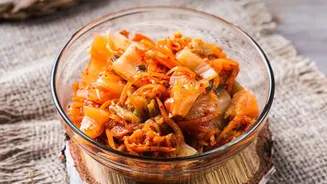
One of the most exciting areas of research is the link between diet, the gut microbiome, and immunity. The microbiome is the vast community of bacteria and other microbes living in your digestive tract. A diverse and healthy microbiome is crucial for everything from digestion to immune regulation. Traditional diets, with their high fibre content from plants, act as a feast for beneficial gut bacteria. Fermented foods, a staple in many cultures including India's (think dahi, idli, and dosa), introduce probiotics that further support this inner ecosystem. In contrast, the typical Western diet, low in fibre and high in processed ingredients, can reduce microbial diversity, which is associated with inflammation and a higher risk of chronic disease.
More Than Food: A Holistic Approach
The benefits of traditional eating patterns often extend beyond the plate. These diets were part of a broader lifestyle that included regular physical activity, eating in tune with the seasons, and mindful consumption practices. The structure of traditional Indian meals, often featuring multiple small dishes, can encourage portion control and a more conscious eating experience. This holistic approach—combining nutrient-dense food with a healthy lifestyle—offers a powerful and time-tested template for well-being. By embracing these principles, we don't just adopt a diet; we reconnect with a sustainable and nourishing way of life that has supported generations.