





Europe’s Last Lowland Primeval Forest
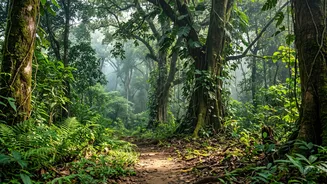
On the border of Poland and Belarus lies Białowieża Forest, a vast and ancient woodland that stands as a living monument to the forests that once blanketed the European Plain. A UNESCO World Heritage site since 1979, this is not just a collection of trees
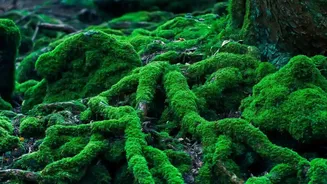
but a complex, old-growth ecosystem that has remained largely undisturbed for centuries. Walking beneath its canopy of towering oaks, pines, and hornbeams is to step back in time. The forest floor is a rich tapestry of fallen logs, fungi, and rare plants, all part of a natural cycle of decay and rebirth that most modern, managed forests have lost. This abundance of dead wood creates an exceptionally diverse habitat, supporting over 12,000 invertebrate species alone. But the undisputed icon of Białowieża is the European bison. This magnificent animal, the continent's largest land mammal, was hunted to extinction in the wild in the early 20th century but was saved by reintroduction efforts originating from captive populations. Today, Białowieża is home to the world's largest free-roaming herd, a powerful symbol of successful conservation.
A Sprawling Wetland Paradise
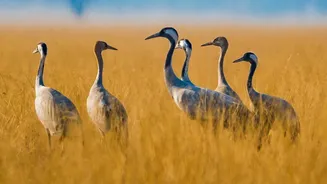
Far to the southeast, where the Danube River completes its long journey to the Black Sea, lies another of Europe’s great natural treasures: the Danube Delta. Shared by Romania and Ukraine, this is the second-largest and best-preserved delta in Europe. It's a sprawling, labyrinthine world of water and land, a mosaic of marshes, channels, lakes, and floating reed islands. Recognized as a UNESCO Biosphere Reserve, its ecological importance is immense. The delta acts as a massive natural water purification system, filtering pollutants before they reach the sea. For wildlife lovers, the Danube Delta is nothing short of paradise, particularly for birdwatching. It is a crucial stopover for migratory birds and a nesting ground for over 300 species, including the largest colony of Great White Pelicans in Europe. Its waters teem with 45 freshwater fish species, and its banks provide refuge for rare mammals like the European otter and mink. Unlike the dense forest of Białowieża, the Delta offers a sense of boundless, horizontal wilderness, best explored by boat, navigating its quiet waterways.
A Heritage of Wilderness and Culture
What unites these two profoundly different landscapes—one a forest, the other a wetland—is their status as heritage sites. This designation extends beyond their ecological value. Both regions have a deep cultural history. Białowieża was historically a royal hunting ground, a status that paradoxically helped protect it from logging for centuries. The area also holds archaeological significance, with evidence of human activity stretching back millennia. The Danube Delta, meanwhile, is home to a unique mix of cultures, including Lipovan communities who are descendants of Russian Old Believers. Their traditional lifestyles, centred around fishing, reed harvesting, and subsistence farming, are intrinsically linked to the rhythm of the river. This human element is a key part of the heritage. Visiting these places isn't just about seeing nature; it’s about experiencing landscapes where human culture has co-existed with wildness, rather than conquering it. These are places where traditions are preserved and life moves at a slower, more natural pace.
Planning Your Wilderness Journey
A trip to either Białowieża or the Danube Delta requires an appreciation for slow, responsible travel. In Białowieża, the best way to experience the forest is on foot or by bike along its many trails, ideally with a guide who can reveal the secrets of the strict reserve where nature is left entirely to its own devices. Bison safaris, especially at dawn or dusk, offer the best chance to see the forest's most famous residents. The Danube Delta is a world of water, and exploration is done almost exclusively by boat. Small, guided tours allow for quiet navigation through narrow channels, minimizing disturbance to wildlife and offering a more intimate connection with the environment. Staying in locally-owned guesthouses in villages like Mila 23 or Sfântu Gheorghe supports the communities that are the custodians of the Delta’s cultural heritage and provides an opportunity to enjoy traditional cuisine. Both destinations reward visitors who come not just to see, but to observe, listen, and understand the delicate balance between nature and culture.