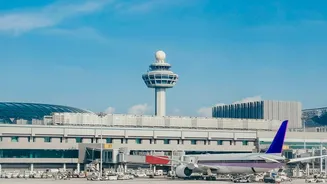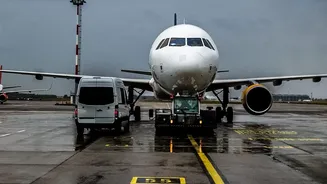





On Friday, November 13, the skies over the United States fell silent. A sudden, nationwide halt to all departing flights left thousands of planes grounded and passengers stranded, raising urgent questions about the backbone of modern travel.
A Nation's Airspace on Standstill
For more than
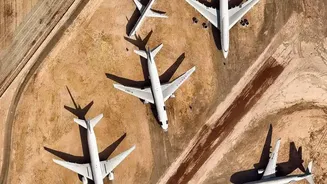
four hours, the Federal Aviation Administration (FAA) issued a nationwide ground stop, an emergency measure not seen on this scale since the September 11 attacks. The order, issued around 3:30 p.m. Eastern Time, prevented any new commercial flights from taking off, though the 3,500 aircraft already in the air were able to land safely. The result was immediate and widespread chaos. Airports overflowed with stranded travelers as departure boards lit up with cancellations. By the time the system was slowly brought back online, thousands of flights had been cancelled, with delays and disruptions continuing for days. The ripple effects were felt across the entire travel ecosystem, from repositioning aircraft and crews to passengers scrambling for hotels and alternate transportation.
The Router That Roared
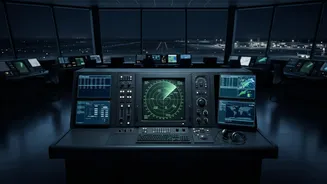
While officials immediately ruled out a cyberattack, attention quickly turned to the nation's aging air traffic control infrastructure. According to the FAA and Transportation Secretary Sean Duffy, the issue appears to have started during a routine equipment upgrade at a remote FAA facility in Arkansas. A contractor, L3Harris, was in the process of replacing old copper wiring with modern fiber-optic cables. Preliminary findings suggest that a newly installed router began to malfunction, flooding the entire FAA network with an overwhelming number of connection requests—over 1,000 every few seconds. This data tsunami overloaded the legacy systems that controllers rely on for stable communications and radar feeds, creating what officials called 'instability' in the data. Out of an abundance of caution, the FAA made the call to ground all flights.
A System Under Strain
This single point of failure exposed the fragility of the entire National Airspace System. The FAA's network is a complex, interconnected web where all 22 regional air traffic control centers are linked. The flood of bad data from one router in Arkansas immediately impacted 17 of these centers, clogging the network and causing essential information like pilots' voices and radar blips to stutter or drop out. This incident wasn't a complete surprise to those familiar with the system. For years, officials and lawmakers have warned that the air traffic control infrastructure is decades overdue for a complete modernization, with some parts still relying on technology that predates the widespread use of the internet. Secretary Duffy noted that the copper-wire-based equipment still in use will 'continue to experience failures'.
The Human and Economic Cost
The shutdown's impact was measured in more than just hours. Over the weekend following the ground stop, more than 18,000 flights were cancelled and nearly 28,000 more were delayed. Tens of thousands of passengers were left stranded, their travel plans for work, family, and vacation thrown into disarray just ahead of the busy Thanksgiving holiday travel week. For the airlines, the financial hit was immediate, with stock prices for major carriers like American, United, and Delta falling in the aftermath. The cost extends beyond ticket refunds, encompassing the complex logistics of rerouting planes, rescheduling crews, and accommodating passengers, a recovery process that can take days to fully resolve.
What Happens Now?
With the immediate crisis over, the focus has shifted to long-term solutions. The FAA is continuing its investigation to determine the precise root cause, whether it was installer error or a defective piece of hardware from the contractor. Meanwhile, the event has renewed urgent calls from the White House and transportation officials for Congress to provide significant funding for a full-scale modernization of the air traffic control system. Secretary Duffy has argued that decades of deferred maintenance and underfunding have left the system vulnerable, a sentiment echoed by aviation analysts. The investigation will continue, but the incident serves as a stark warning that the infrastructure managing the world's busiest airspace is operating on borrowed time.