



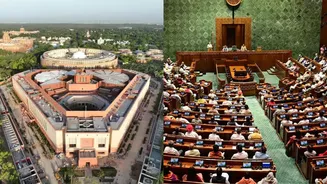
The Shocking Financial Drain
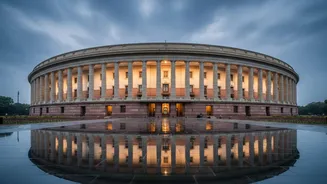
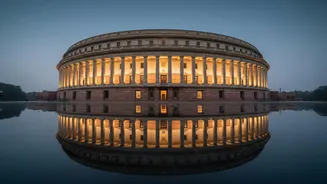
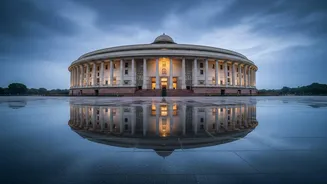
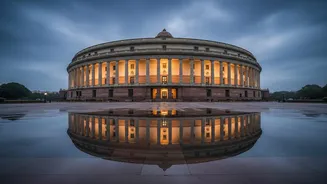
The most frequently cited figure for the cost of running Parliament is a staggering Rs 2.5 lakh per minute. This translates to Rs 1.5 crore every hour and roughly Rs 9 crore for a typical six-hour working day. When a full day is lost to disruptions —
a 'washout' — that entire amount is spent with zero productive output. These figures, while based on official data from over a decade ago, remain the most widely used benchmark. The actual present-day cost is likely even higher. This expense isn't just for show; it covers the salaries and allowances of nearly 800 Members of Parliament, the wages of a massive support and security staff, and the immense operational costs of maintaining the high-tech Parliament building, including utilities and logistics. So, when the houses are adjourned within minutes, the meter keeps running, and public money is drained away without a single issue being debated or a single law being passed.
The Hidden Legislative Cost
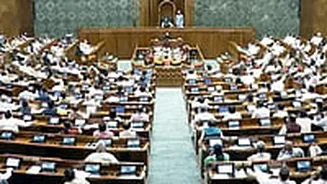
The financial loss, though significant, pales in comparison to the democratic and legislative cost. Parliament's primary function is to legislate, deliberate on national issues, and hold the government accountable. Every hour lost to a washout is an hour not spent debating crucial bills that affect the economy, social welfare, or national security. For instance, a stalled session can delay vital economic reforms, postpone the implementation of social programs, or prevent scrutiny of government actions. Furthermore, disruptions often eat into designated periods like Question Hour and Zero Hour, which are specific times for MPs to question ministers and raise matters of urgent public importance from their constituencies. When these opportunities are lost, the link of accountability between the government and the people's representatives is broken.
The Politics of Disruption
Parliamentary disruptions are not random acts of chaos; they are often a calculated political strategy. For opposition parties, disrupting proceedings is one of the most visible ways to protest against government policy or alleged scandals, forcing the issue into the national spotlight. The logic is that by preventing the house from functioning, they can pressure the government to concede to their demands for a debate, an investigation, or a minister's resignation. This tactic has been used by all major political parties when in opposition. However, critics argue that this strategy holds the entire legislative process hostage. While protest is a democratic right, using it to cause a complete legislative standstill prevents other MPs from doing their job and ensures that many critical public issues unrelated to the protest go completely unaddressed.
Declining Productivity and Rushed Laws
Frequent washouts have a corrosive effect on the overall productivity of Parliament. Data from research organisations like PRS Legislative Research often shows a direct link between disruptions and low productivity rates for a session. Some sessions have recorded productivity dipping well below 50% due to continuous adjournments. An insidious consequence of this is that when the logjam finally breaks, there is immense pressure to pass pending bills in a hurry. This often leads to important legislation being passed with minimal or no debate. Bills can be rushed through in minutes, bypassing the crucial process of detailed scrutiny that ensures laws are well-thought-out and free of unintended consequences. This practice undermines the very essence of parliamentary democracy, which is rooted in thoughtful deliberation.
Can Anything Be Done?
Over the years, several solutions have been proposed to curb the culture of disruptions. These include suggestions for a 'no work, no pay' rule, where MPs would lose their allowances for days the Parliament doesn't function. Some have even suggested giving presiding officers (the Speaker of the Lok Sabha and Chairman of the Rajya Sabha) more power to penalise members who repeatedly disrupt the house through fines or longer suspensions. However, implementing these changes is politically complex, as it requires consensus among the very parties that use disruption as a political tool. The challenge lies in finding a balance that upholds the opposition's right to protest while ensuring that the primary duty of Parliament—to legislate and debate for the nation—is not compromised.