




The Latest Recall Explained
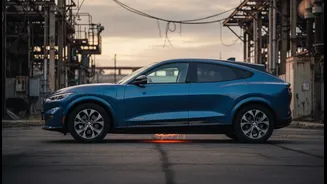
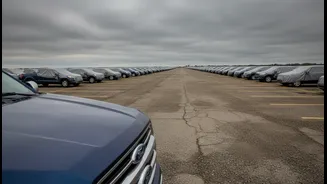
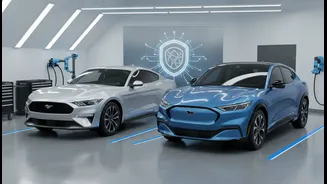
In early July 2026, Ford announced a recall for 42,784 Mustang Mach-E vehicles from the 2021 to 2023 model years. The recall targets rear-wheel-drive models and stems from a critical component in the drivetrain that could fail. According to documents
filed with the National Highway Traffic Safety Administration (NHTSA), the issue poses a significant safety risk, as it can lead to a sudden loss of motive power while driving or cause the vehicle to move on its own when in Park if the parking brake is not engaged. Ford has stated that it is not aware of any accidents or injuries related to this specific defect.
What Is Causing the Power Loss?
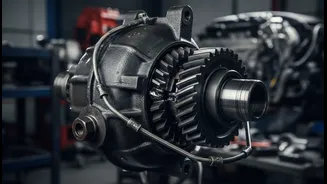
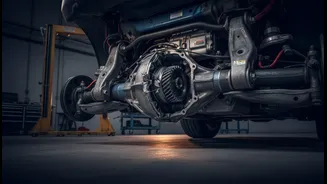
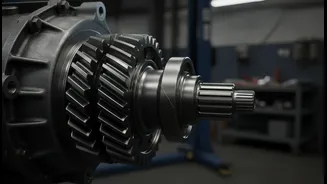
The heart of the problem lies with the rear differential pinion shaft. This component is responsible for transferring power from the electric motor to the wheels. Ford's investigation, which began after a failure was identified in Europe in March 2026, determined that this shaft can fracture due to bending fatigue. When the shaft breaks, the connection between the motor and the wheels is severed, resulting in a complete loss of power. Additionally, a fractured shaft can prevent the parking mechanism from engaging properly, creating a rollaway risk. While Ford has identified the component failure, the company has stated that the root cause of the bending fatigue is still under investigation.
A Familiar Pattern of Problems
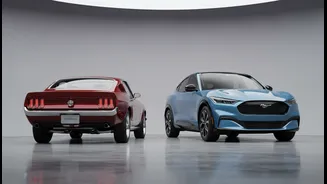
For Mach-E owners and Ford observers, this recall feels familiar. The electric crossover has been subject to several significant recalls since its launch. A widely reported issue in 2022 involved the high-voltage battery main contactors overheating, which could also cause a loss of power. That problem, affecting nearly 49,000 vehicles, was initially addressed with a software update. However, subsequent issues and investigations led Ford to issue technical service bulletins to replace the entire high-voltage battery junction box in many vehicles. This history of recurring quality issues has become a major challenge for Ford as it attempts to establish itself as a leader in the EV space and has made it the most recalled automaker in 2026.
The Fix and What Owners Should Do
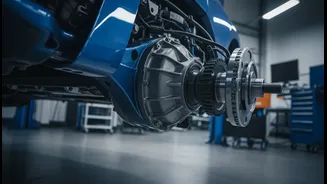
The remedy for the current differential issue will require a trip to the dealership. Ford has instructed dealers to inspect the rear drive unit and, if necessary, replace the entire rear differential assembly with a redesigned unit that features a reinforced pinion shaft. This repair will be performed free of charge. Ford plans to send interim notification letters to affected owners starting around July 13, 2026, to warn them of the safety risk. A second letter will be sent once the necessary parts are available at dealerships, which is not expected until late December 2026. In the meantime, owners can check if their vehicle is affected by visiting the NHTSA website or contacting Ford customer service.
Broader Impact on Ford's EV Goals
This latest recall is more than just a logistical headache; it strikes at the core of Ford's ambitious electric vehicle strategy. The Mustang Mach-E is a halo car for the brand's EV lineup, designed to compete directly with industry leaders like Tesla. However, persistent quality control problems undermine consumer confidence and add significant costs. Each recall, from the Mach-E to the F-150 Lightning, erodes the trust Ford needs to build with a new generation of EV buyers. As the EV market becomes increasingly crowded and competitive, Ford's ability to resolve these foundational manufacturing and engineering issues will be critical to its long-term success.