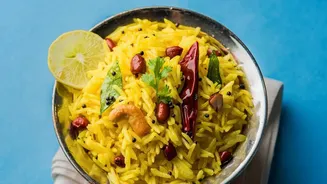






The Humble Powerhouse of Indian Breakfasts
Known as uppittu in Karnataka, upma in most of India, and by various other regional names, this thick, savory porridge is a cornerstone of Indian home cooking. At its core, it is made from dry-roasted semolina (rava or suji), cooked with water and a simple
tempering of mustard seeds, curry leaves, and sometimes lentils. Its popularity stems from its incredible convenience; it comes together in minutes using ingredients that are almost always on hand in an Indian kitchen: semolina, onions, basic spices, and oil. This makes it the go-to “emergency breakfast” for busy mornings when time and resources are short.
Breaking Down the Basic Bowl
A standard bowl of plain rava upma is primarily a source of carbohydrates, which provide the energy needed to start your day. Semolina, derived from durum wheat, is rich in complex carbohydrates that release energy slowly, helping you stay active and alert. A 100-gram serving of basic upma contains roughly 200-260 calories, around 30-40 grams of carbohydrates, and about 4-7 grams of protein, with fat content varying based on the amount of oil or ghee used. While it contains some protein and B vitamins, a simple version made with just semolina and spices is not nutritionally dense on its own.
What Makes a Breakfast 'Full'?
For a breakfast to be considered “full” or “balanced,” experts recommend a combination of three key macronutrients: complex carbohydrates, protein, and healthy fats. This combination provides sustained energy, promotes satiety to keep you from feeling hungry an hour later, and supports essential bodily functions like muscle repair. A healthy breakfast should also include fiber, vitamins, and minerals, which are often found in vegetables and fruits. While a basic uppittu checks the carbohydrate box, it often falls short on protein, fiber, and micronutrients.
How to Elevate Your Uppittu
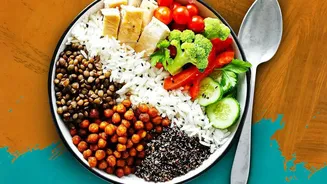
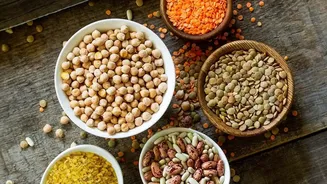
The true beauty of uppittu lies in its versatility. With a few simple additions, you can easily transform it from a carb-heavy dish into a well-rounded meal. The easiest way to boost its nutritional value is by loading it with vegetables. Adding carrots, peas, beans, and bell peppers significantly increases the fiber, vitamin, and mineral content. For a substantial protein boost, you can mix in roasted peanuts, cashews, or lentils like chana dal during the tempering process. Some modern takes even suggest adding protein-rich ingredients like grated paneer, tofu, or soy granules to make the dish more filling and balanced.
Beyond Semolina: Healthier Grain Swaps
While traditional uppittu uses refined semolina, swapping it for other grains can offer even greater health benefits. Making uppittu with whole wheat rava (dalia) or millets like foxtail millet increases the dish's fiber content, which aids digestion and helps regulate blood sugar levels. Oats upma is another popular and healthy variation that is low in calories and high in fiber, keeping you feeling full for longer. These alternatives not only enhance the nutritional profile but also add new textures and flavors to the classic dish.