





The Constant Threat of Catastrophe
The most immediate fear is a catastrophic natural disaster. The Japanese government estimates there is a 70% chance of a magnitude-7 earthquake striking the Tokyo area within the next 30 years. Such an event could devastate the city, knocking out critical
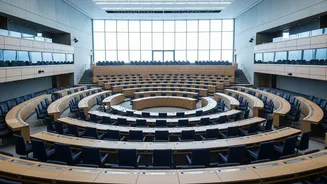
infrastructure and paralyzing the nation's leadership. If ministries, communication networks, and financial markets are all disabled simultaneously, the ability to coordinate a national response would be severely compromised. This single point of failure is a risk that has occupied planners for decades. Recent legislation approved in July 2026 aims to create a legal framework for a backup capital, ensuring government can continue if Tokyo is hit, but this highlights the severity of the underlying vulnerability.
A National Economic Imbalance
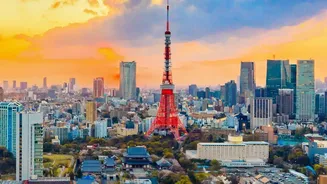
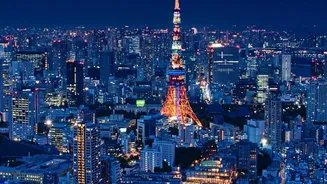
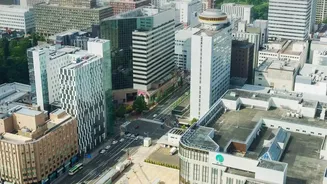
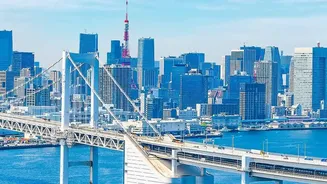
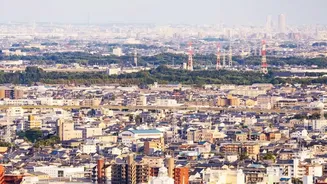
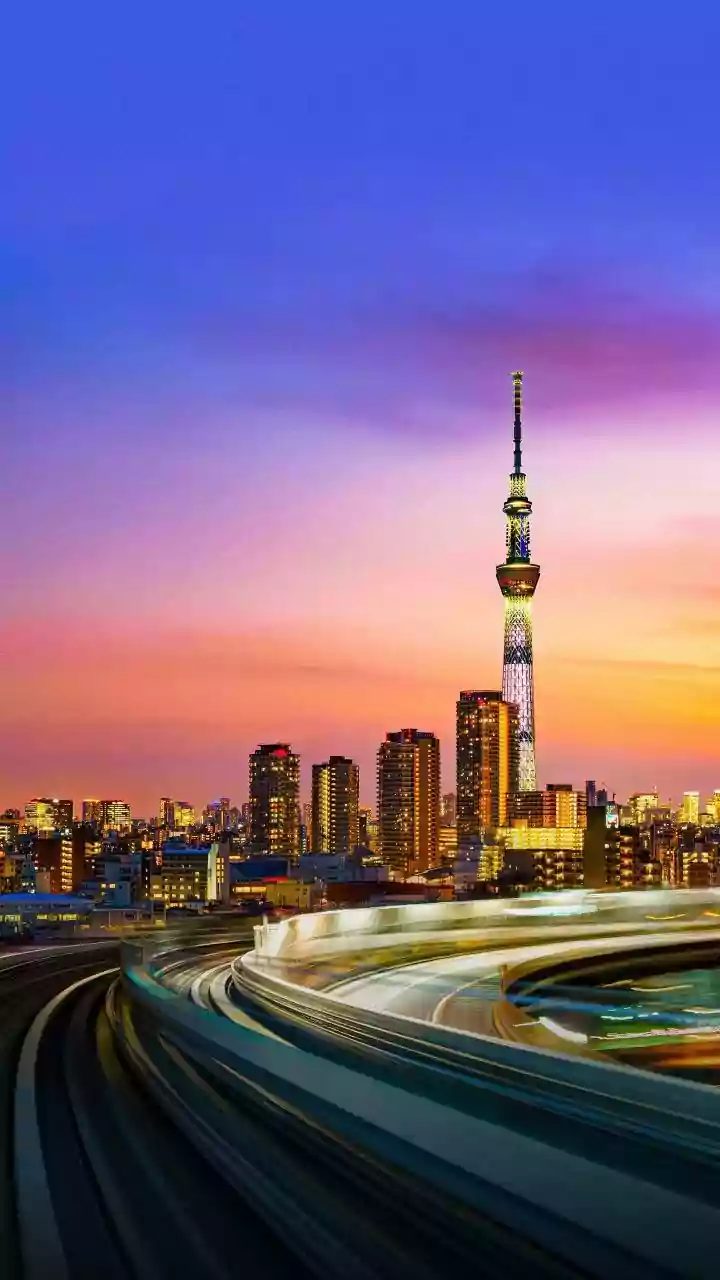
The concentration in Tokyo creates a powerful gravitational pull, warping the national economy. The Greater Tokyo Area is home to roughly a third of Japan's population and generates a GDP comparable to that of the Netherlands. It houses the headquarters for about half of Japan's major corporations and over 75% of its foreign-affiliated companies. While this creates a vibrant hub, it comes at the expense of other regions. Talent, investment, and young people are continuously drawn to the capital, leading to what is often called a "unipolar concentration". This brain drain hollows out regional economies, making it difficult for other cities and prefectures to thrive, a problem that decades of regional revitalization policies have struggled to reverse.
Fueling a Demographic Crisis
The focus on Tokyo also exacerbates Japan's severe demographic challenges. While the national population is shrinking and aging, Tokyo's population continues to grow through domestic migration. However, the capital's notoriously high cost of living and cramped housing conditions contribute to a lower fertility rate than in many rural areas. As young people, especially women aged 20-39 who account for the vast majority of births, move to Tokyo for opportunities, they often delay marriage and have fewer children. This migration pattern effectively drains the reproductive potential from regional areas and drags down the national birth rate, accelerating the country's overall population decline. Some analysts have warned that hundreds of municipalities could disappear as a result.
The Elusive Quest for Decentralization
Japanese leaders have long been aware of these risks. The idea of moving the capital or decentralizing government functions is not new, with discussions spanning decades. Numerous policies have been enacted to encourage companies and people to move out of Tokyo, including financial incentives for families who relocate. However, these efforts have had limited success. The net inflow of people into the Tokyo metropolitan area has continued for years. Political inertia, the immense logistical challenge of moving government bodies, and the powerful economic interests concentrated in the capital have all made meaningful decentralization a monumental task. The COVID-19 pandemic briefly slowed the trend, but the concentration has since resumed with renewed momentum.