







The Popular Myth Explained
The theory goes something like this: fruit digests very quickly. If you eat it with or after other foods (like proteins and starches) that take longer to break down, the fruit gets 'trapped' in the stomach. Proponents of this idea claim this causes the fruit to ferment
or rot, leading to gas, bloating, and poor nutrient absorption. This idea comes from food combining diets, which suggest that different food groups require different digestive environments and shouldn't be mixed.
Digestive Reality Check
Our digestive system is far more robust and efficient than this myth gives it credit for. Your stomach is a highly acidic environment, with a pH so low that it kills most bacteria and prevents any significant fermentation from happening. While it's true that the fibre in fruit can slow down how quickly food leaves your stomach, this is actually a good thing. This process, known as delayed gastric emptying, helps you feel fuller for longer, which can aid in managing your weight and appetite. Your digestive system is perfectly capable of breaking down a mixed meal of fruits, proteins, and fats all at once.
The Blood Sugar Factor
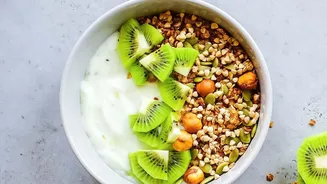
One of the most important reasons to reconsider eating fruit alone on an empty stomach is its effect on blood sugar. When you eat fruit by itself, the natural sugars (fructose) are absorbed quickly, which can cause a spike in blood glucose levels. For most healthy individuals, this is a minor issue, but for those with insulin resistance or diabetes, it can be problematic. Pairing fruit with foods that contain protein, healthy fats, or more fibre—like Greek yoghurt, a handful of nuts, or on whole-grain toast—actually helps to slow down sugar absorption. This leads to a more gradual, stable release of energy, preventing the sharp peaks and subsequent crashes.
Is There Ever a Good Time?
While there's no hard rule you must follow, some studies suggest that eating fruit before a meal might help you feel fuller and consume fewer calories overall, which could be beneficial for weight management. However, there is no strong scientific evidence that eating fruit on an empty stomach enhances nutrient absorption compared to eating it with other foods. The most important takeaway from nutrition experts is consistent: any time is a good time to eat fruit. The benefits of the vitamins, minerals, fibre, and antioxidants in fruit far outweigh any concerns about timing.
Build a Better, Balanced Breakfast
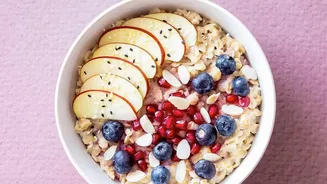
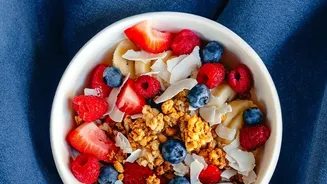
Instead of focusing on isolating your fruit, think about incorporating it into a balanced and satisfying breakfast. This approach provides a wider range of nutrients and ensures you get sustained energy to start your day. Consider topping a bowl of oatmeal or plain yogurt with berries and nuts. Blend a banana into a smoothie with spinach and a scoop of protein powder. Or enjoy apple slices with a spoonful of peanut or almond butter. These combinations not only taste great but also provide a healthy mix of carbohydrates, protein, fat, and fibre to keep you feeling full and energised for hours.