






The Anatomy of a Sturdy Slice
Not all breads are created equal. While soft, fluffy slices are perfect for some things, they buckle under pressure—literally. The secret to a bread that can handle wet sauces and heavy toppings lies in its structure. A firm texture is usually the result
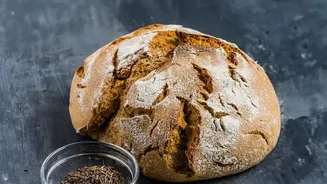
of a strong gluten network, a rustic, chewy crust, and an open crumb structure. An 'open crumb' refers to the network of irregular holes inside the loaf. These pockets are brilliant at trapping olive oil, vinaigrettes, and tomato juices without the bread itself becoming waterlogged and disintegrating. A sturdy crust acts as a containing wall, providing the structural integrity needed to keep everything together from the plate to your mouth.
Champions of Structure: Breads That Don't Quit
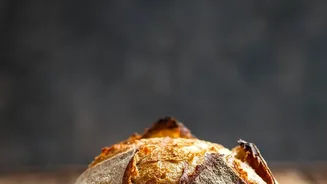
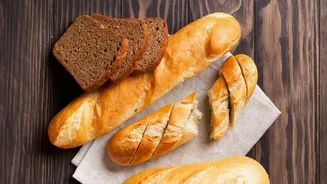
When you need a bread that offers superior support, a few key types stand out. Ciabatta, an Italian bread whose name means 'slipper', is a prime candidate. It boasts a wonderfully chewy crust and an airy, hole-filled interior that is perfect for sopping up liquids without falling apart. Similarly, a good loaf of sourdough is a fantastic choice. The fermentation process gives it a complex, tangy flavour and a robust, chewy texture that holds up brilliantly against rich ingredients. Its sturdy nature makes it one of the best choices for everything from grilled cheese to elaborate sandwiches. The French baguette, with its crisp crust and light interior, is another excellent option, especially when sliced, toasted, and used as a base for appetizers like bruschetta.
The Perfect Canvas for Flavour
The true magic of a firm-textured bread is how it transforms a dish. Consider bruschetta, the classic Italian appetiser. Using a slice of toasted ciabatta or sourdough is essential; it provides a crunchy, resilient base that can hold a generous pile of fresh, juicy tomatoes, garlic, and basil without becoming soggy. This principle extends to the modern craze for loaded toasts. Whether topped with avocado and a poached egg or creamy mushrooms, a sturdy bread is non-negotiable. It also excels in hearty sandwiches packed with multiple fillings and sauces, like a classic Reuben or a turkey BLT, ensuring the sandwich remains intact. These breads are also ideal for serving alongside stews, soups, and curries, as their absorbent structure is perfect for dipping and scooping up every last drop of flavourful sauce.
Thinking Beyond the Obvious
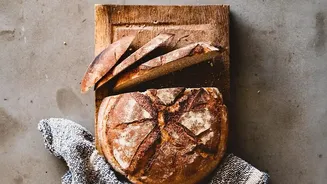
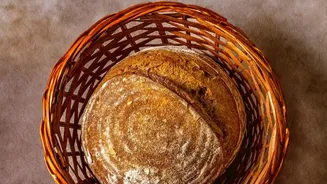
While ciabatta and sourdough are stars, they aren't the only options. A rustic country loaf, sometimes called pagnotta in Italy, offers a similar dense and robust structure that is perfect for toasting and topping. Even focaccia, which is often softer, can work well if it has a firm, rustic exterior. The key is to look for breads that feel substantial and have a well-developed crust. You can often tell by feel; the loaf should have some heft to it and not feel overly light or airy like standard sandwich bread. Slicing day-old bread can also be a great trick, as it will have lost some moisture and be naturally firmer and better suited for toasting and absorbing flavours without turning to paste.