





AI's Expanding Role in Hiring
In recent years, AI has moved from the periphery to the core of many companies' talent acquisition strategies. Its primary function is to automate and accelerate high-volume, repetitive tasks that once consumed countless hours. This includes sourcing
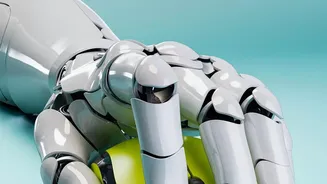
candidates from various platforms, screening thousands of resumes in minutes, and even using chatbots to schedule interviews and answer applicant questions. Some companies are now deploying 'agentic AI' systems that can manage entire workflows, from initial outreach to progressing candidates through the hiring pipeline with minimal human intervention. This automation promises significant gains in efficiency, allowing organisations to process a larger volume of applications faster than ever before.
The Pursuit of Data-Driven Decisions
Beyond simple automation, AI offers the ability to make hiring more data-driven. By analysing vast amounts of information from past hires, AI tools can identify patterns and traits linked to success within a company, offering predictive insights that humans might miss. This helps organisations move toward competency-based hiring, focusing on objective skills rather than relying on recruiter instinct or the prestige of a candidate's background. When designed and monitored correctly, these tools can apply consistent criteria across all applicants, which has the potential to reduce the unconscious biases that can affect human decision-making.
The Unmistakable Limits of Algorithms
Despite its power, AI is not a perfect solution. A significant concern is algorithmic bias. If an AI is trained on historical hiring data that reflects existing inequalities, it can learn and even amplify those biases, unintentionally discriminating against certain groups. Furthermore, AI struggles with nuance. It may overlook a candidate with an unconventional career path or fail to accurately assess crucial soft skills like creativity, leadership, and emotional intelligence. An over-reliance on automation can also create an impersonal and discouraging experience for candidates who feel they are being evaluated by a machine rather than a person.
Why Experienced Staff Remain Essential
This is where the value of experienced staff becomes clearer than ever. Recruitment, at its heart, is about human connection. Experienced recruiters and hiring managers possess intuition, empathy, and judgment that technology cannot replicate. They can read between the lines of a resume, assess cultural fit during a conversation, and build the relationships necessary to attract and retain top talent. While AI screens for keywords, a human can understand a candidate's motivations, coach them for success, and make a holistic judgment about their longterm potential within the team. In a complex hiring decision, this human element is often the deciding factor.
The Future: A Hybrid Approach
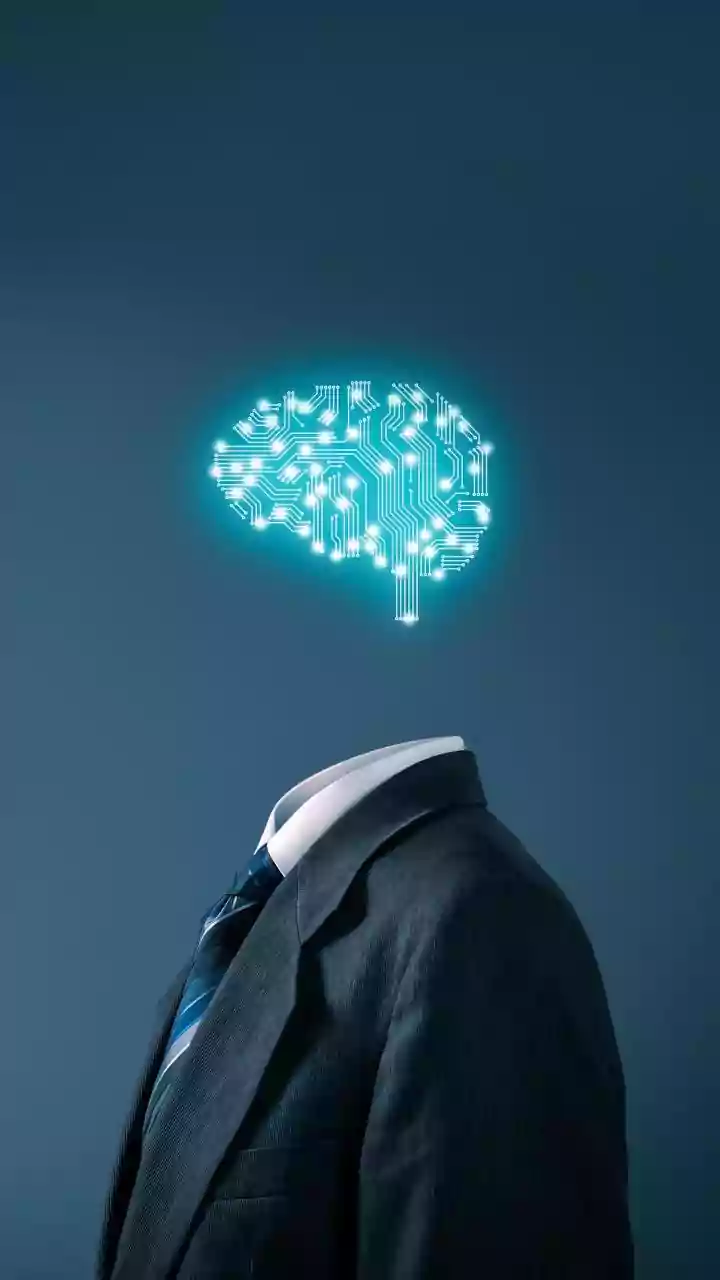
The most forwardthinking organisations understand that the future of recruitment isn't a choice between AI and people, but a partnership between them. The emerging best practice is a hybrid model where AI acts as a powerful assistant, not a replacement. In this model, AI handles the heavy lifting—the initial screening, scheduling, and data analysis—freeing up human recruiters to focus on what they do best: strategic thinking, relationshipbuilding, and making nuanced, highstakes decisions. This synergy allows companies to be both efficient and empathetic, using technology to enhance human judgment rather than supplant it.