




Meet Mochi, the Modak's Global Cousin
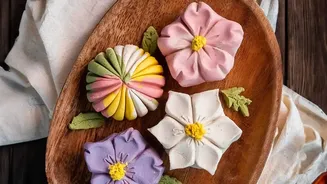
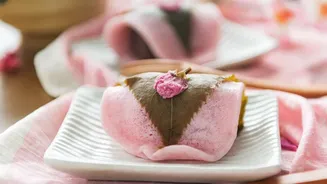
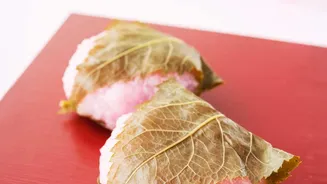
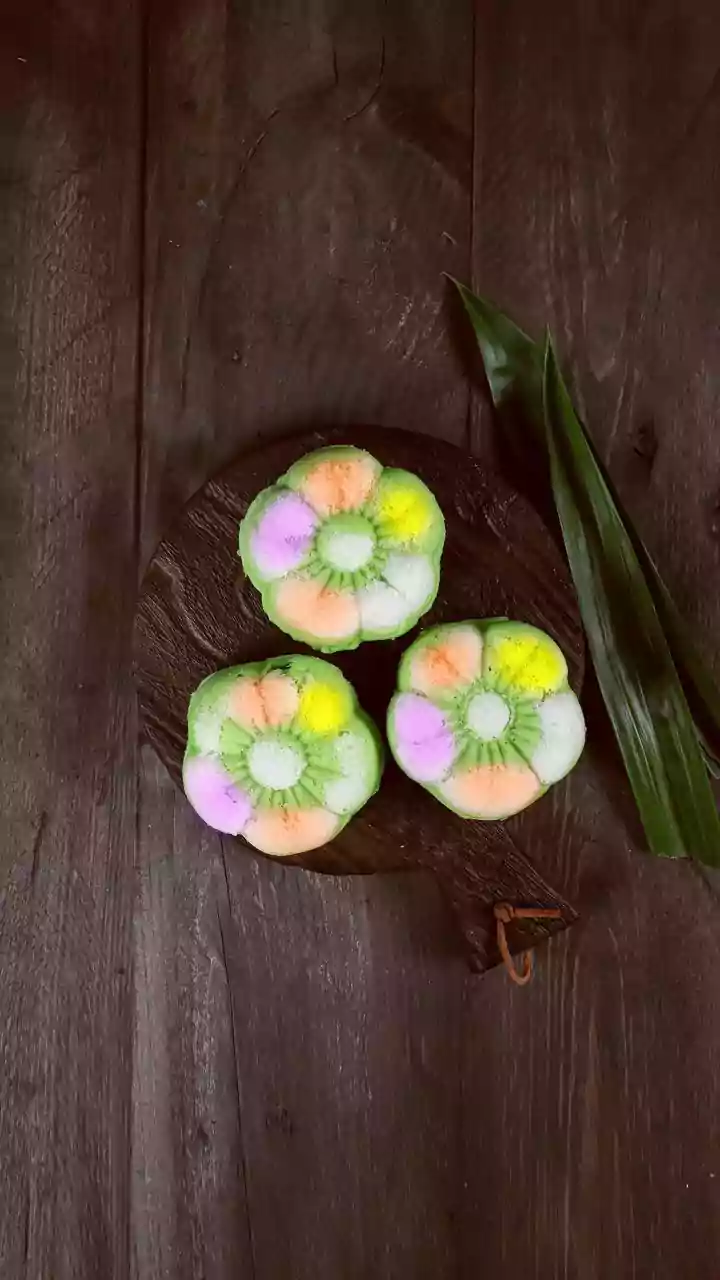
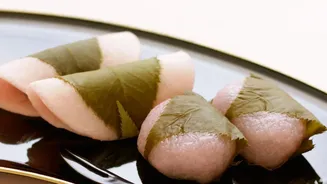
The sweet capturing the imagination of Indian dessert lovers is Mochi, a type of Japanese confection known as wagashi. Made from glutinous rice pounded into a sticky, elastic dough, its most striking feature for Indians is its resemblance to the beloved
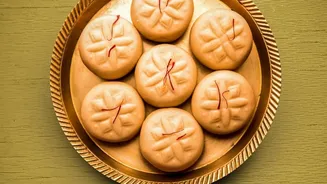
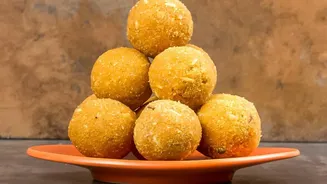
modak, the steamed dumpling offered to Lord Ganesha. While a modak has a pleated, tapered shape, the soft, spherical form of daifuku mochi (mochi with a filling) is what triggers this sense of familiarity. This visual connection has become a gateway for many, inviting them to explore a dessert that feels both new and strangely recognisable. The trend is especially pronounced among younger, urban audiences who are increasingly adventurous with their food choices and drawn to global cultures.
A Sacred Snack with Ancient Roots
Mochi is far more than just a dessert in Japan; it is a food steeped in cultural and spiritual significance. Its history dates back thousands of years, with origins in the Yayoi period. Traditionally, mochi was considered a sacred food, offered to gods at shrines during festivals, particularly New Year's, to pray for good fortune, health, and prosperity. The act of making mochi, called 'mochitsuki', is a ceremonial event where cooked glutinous rice is pounded in a large mortar with wooden mallets. This communal effort embodies unity and gratitude. While modern methods now exist, this ancient tradition underscores mochi's revered place in Japanese culture as a symbol of celebration and togetherness.
Similar Shape, Different Soul
Despite their similar appearance, mochi and modak are distinct culinary creations. The primary difference lies in their core ingredients and texture. A traditional modak shell is made from rice flour or wheat flour, which is steamed to create a soft, delicate wrapper. The filling is typically a warm, fragrant mixture of freshly grated coconut and jaggery, spiced with cardamom. Mochi, on the other hand, is defined by its signature chewy and elastic texture, achieved by pounding glutinous rice flour. Its traditional filling is 'anko', a sweet paste made from red azuki beans. This contrast results in two very different eating experiences: the soft, melt-in-your-mouth quality of a modak versus the uniquely satisfying chewiness of mochi.
The Mochi Wave in India
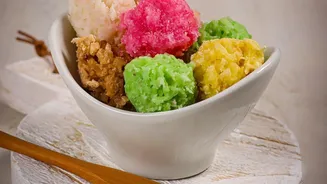
So, what does this Japanese tradition mean in practice for Indians today? It means a full-blown dessert trend. Driven by social media, a fascination with Japanese culture via anime and travel, and an ever-expanding café scene, mochi has become a mainstream sensation. The most popular gateway has been mochi ice cream, where a scoop of ice cream is enveloped in a thin layer of mochi dough. This format has made the unique texture accessible and appealing to a wide audience. Major cities now boast numerous cafes, dessert bars, and Pan-Asian restaurants offering a variety of mochi desserts, moving it from a niche import to a must-try experience. Brands are even entering the market specifically to build the premium mochi ice cream category in India.
An Indian Twist on a Classic
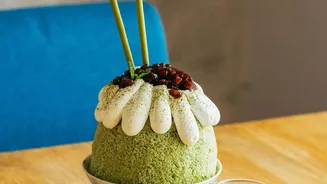
The true sign of mochi's integration into the Indian food scene is its adaptation to local tastes. While traditional flavours like matcha and red bean are popular, chefs and dessert parlours are innovating with fillings that resonate with the Indian palate. Flavours like mango, coffee, chocolate, strawberry, and even paan are now commonly found. This fusion mirrors how other global foods have found a home in India—by blending their authentic identity with familiar local notes. This willingness to experiment has turned mochi into a canvas for culinary creativity, ensuring its popularity is not just a passing fad but a lasting addition to India's diverse dessert landscape.