



Why the Difference Matters
There are two main players in the cinnamon world: Ceylon and cassia. Ceylon cinnamon (Cinnamomum verum), known as “true cinnamon,” comes mostly from Sri Lanka and Southern India. Cassia cinnamon (including Chinese, Indonesian, and Saigon varieties) is
more common and less expensive. The distinction is important for two reasons: flavour and a compound called coumarin. Cassia has a strong, spicy flavour, while Ceylon is delicate, sweet, and has floral notes. More critically, cassia contains high levels of coumarin, which can be harmful to the liver if consumed in large quantities regularly. Ceylon cinnamon contains only trace amounts, making it the safer choice for daily use.
Identifying Cinnamon Sticks (Quills)
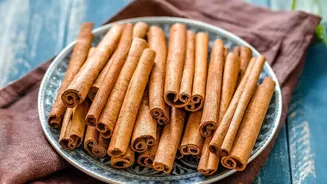
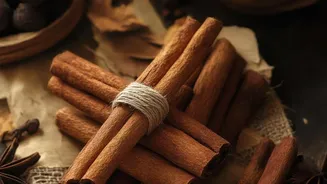
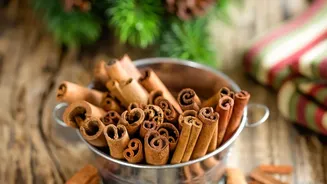
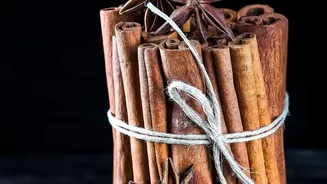
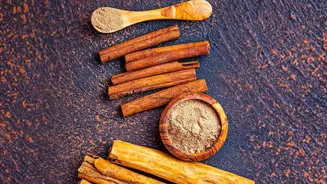
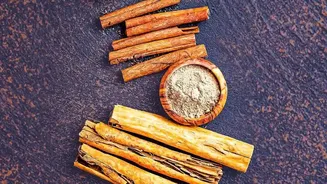
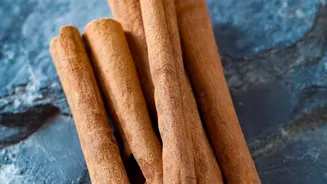
The easiest way to tell the two apart is in stick form. A Ceylon cinnamon stick is made of many thin, fragile layers of bark rolled together, resembling a cigar. It is light tan or golden-brown and so brittle you can often crumble it with your fingers. Cassia, by contrast, is a single, thick layer of bark that curls inward from both sides to form a hollow tube. It’s much harder, woodier, and typically has a darker, reddish-brown colour. If you try to snap a cassia stick, it will break with a clean snap rather than crumbling.
Telling the Powders Apart
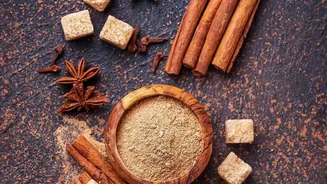
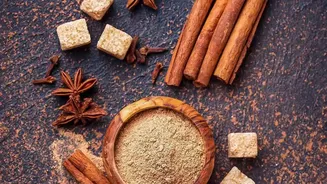
Distinguishing between ground cinnamon powders is much harder, but there are still clues. Ceylon cinnamon powder is typically a light, tan-brown colour and has a very fine, soft texture. Cassia powder is often darker, ranging from reddish to dark brown, and can feel coarser or grittier. The aroma is also a giveaway. Ceylon has a delicate, sweet, and slightly citrusy scent, while cassia’s aroma is much stronger, more pungent, and spicier. However, visual identification of powders can be unreliable, so buying from a trusted source is key.
Reading the Label and Price
The packaging is your best friend when buying cinnamon. To ensure you’re getting the real deal, look for labels that explicitly state “Ceylon cinnamon” or its scientific name, Cinnamomum verum (or Cinnamomum zeylanicum). If the label just says “cinnamon” or “dalchini,” it is almost certainly the cheaper cassia variety. The country of origin can also be a hint; true cinnamon is primarily from Sri Lanka. Price is another indicator. Ceylon cinnamon is more labour-intensive to harvest and is considered a premium spice, so it is always more expensive than cassia. If the price seems too good to be true, you’re likely looking at cassia.