




After days of festive indulgence, the thought of a 'detox' can feel daunting. But getting back on track doesn't require extreme measures. Experts suggest a gentle, sensible reset that prioritises moderation and long-term well-being.
Embrace Moderation, Not Deprivation
The first rule of a
post-festive reset is to avoid panic and guilt. A few days of enjoying rich meals, sweets, and snacks will not derail your health goals. Cardiologists and nutritionists advise against crash diets or extreme cleanses, which can lead to unhealthy eating patterns. Instead, the goal is to gently guide your body back to its normal rhythm. The key is consistency and returning to balanced habits. Think of this as a period of self-care and renewal, not punishment. The focus should be on nourishing your body after the celebrations.
Hydration is Your First Step
After consuming excess salt and sugar, your body may retain fluid, leaving you feeling bloated and sluggish. The simplest and most effective first step is to rehydrate. Start your day with a glass of warm water, perhaps with a squeeze of lemon. Throughout the day, continue to sip on water. If plain water feels boring, consider other healthy fluids like coconut water, buttermilk (chaas), or herbal teas made with ingredients like ginger or mint. Proper hydration helps flush out excess sodium, aids digestion, and helps your system reset.
Return to Simple, Home-Cooked Meals
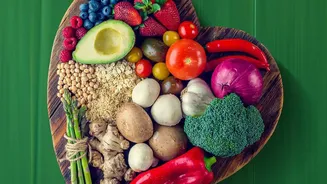
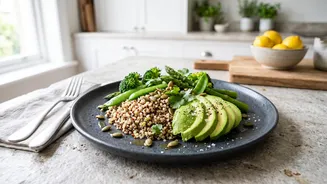
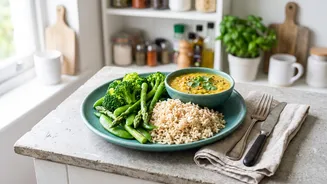
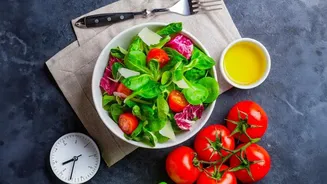
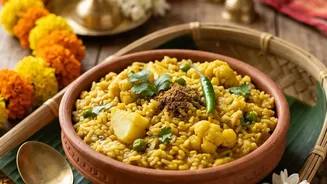
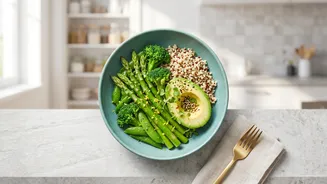
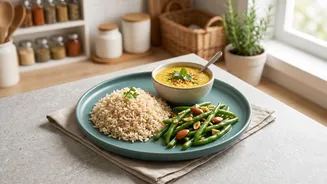
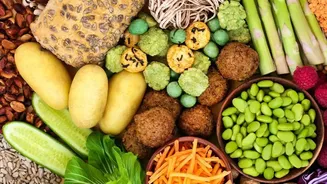
Give your digestive system a break from heavy, fried foods. It is time to reintroduce simple, light, and nutritious meals. Focus on home-cooked dishes like dal, vegetable khichdi, or steamed vegetables. Make sure your plate is colourful by adding plenty of fibre-rich vegetables, seasonal fruits, and salads. Fibre is crucial for restoring good gut bacteria and ensuring smooth digestion. Lean proteins like paneer, lentils, or chicken are also important to keep you feeling full and satisfied, preventing cravings for leftover festive snacks.
A Cardiologist's View on Salt and Sugar
The festive season often involves a high intake of salt and sugar, which can impact heart health by raising blood pressure and cholesterol. Cardiologists recommend being particularly mindful of salty snacks like namkeen, chips, and pickles. When it comes to sweets, portion control is key. Rather than eating them on an empty stomach, have a small piece after a balanced meal to slow down sugar absorption. Opt for baked or roasted snacks over deep fried ones and be cautious of 'sugar free' items, which can still be high in unhealthy fats.
Support Your Gut and Liver
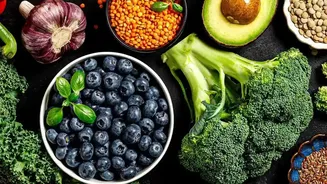
Days of feasting can be tough on your digestive system and liver. To support your gut, incorporate probiotic rich foods like plain curd (yogurt) or buttermilk. These help restore the balance of healthy bacteria. For your liver, which works overtime to process rich foods, the best 'detox' is to simply avoid alcohol for a while and eat antioxidant rich foods. Ingredients like turmeric, amla, and green leafy vegetables can help support the body's natural detoxification processes.
Reestablish Gentle Movement and Sleep
Late nights and busy schedules during Diwali can disrupt your sleep, which in turn affects stress hormones and appetite. Prioritise getting 7–8 hours of quality sleep to help your body recover and regulate cravings. There is no need for intense, punishing workouts. Instead, ease back into physical activity with gentle movement. A 10–15 minute walk after meals can significantly aid digestion and help manage blood sugar levels. Light exercise boosts energy, improves mood, and supports your body’s return to balance.