





The Serving Size Illusion
You grab two boxes of cereal. Cereal A boasts just 8 grams of sugar per serving, while Cereal B has 12 grams. The choice seems obvious, right? Not so fast. A closer look reveals Cereal A's serving size is a mere 30 grams, while Cereal B's is 45 grams. This
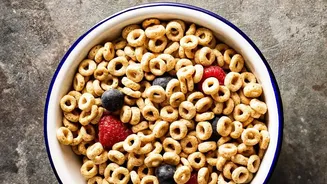
is a common tactic. Manufacturers often use unrealistically small serving sizes to make calorie, sugar, and fat counts appear lower than they are for a typical bowlful. A study found that images on cereal boxes often depict portions that are over 60% larger than the recommended serving size on the nutrition panel, encouraging consumers to over-serve. What looks like a small snack on paper can quickly become a sugar overload once you pour a realistic amount into your bowl.
The Per-100g Rule: Your Best Tool
So, how do you make a fair comparison? Ignore the 'per serving' column and go straight for the 'per 100g' information. This is the great equaliser. Most food labels in India are required to provide this data, which standardises the nutritional values across all products, regardless of the manufacturer's suggested serving size. When you compare the 'per 100g' values, you get an accurate, apples-to-apples view of what you're actually eating. A cereal that seemed like the healthier choice 'per serving' might reveal a much higher sugar or sodium content when judged on a level playing field of 100 grams. For a healthy choice, dietitians suggest looking for cereals with less than 5 grams of added sugar and at least 3 grams of fibre per serving, a good guideline to apply to your 100g check.
Don't Forget About Density
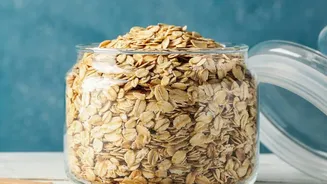
Another factor to consider is the physical nature of the cereal itself. A 30-gram serving of light, puffed rice will look much more voluminous in your bowl than 30 grams of dense granola or muesli. This visual difference can trick you into pouring a much larger weight of the denser cereal to fill the bowl, leading you to consume far more calories, fat, and sugar than you intended. One study showed that when people poured smaller, denser cereal flakes, they poured smaller volumes but ended up eating a greater amount by weight and calories. A practical tip is to measure out the suggested serving size at home just once. Use a measuring cup or a kitchen scale to see what 30 or 40 grams of your favourite cereal actually looks like in your go-to bowl. This simple exercise can be an eye-opener and help you recalibrate your portions.
Your 3-Step Cereal Check in the Aisle
The next time you're shopping, you can become a much smarter consumer with a simple three-step process. First, ignore the splashy claims on the front of the box. Words like 'wholesome', 'multigrain', or 'low fat' can be misleading. Second, turn the box over and find the 'per 100g' column on the nutrition information panel. This is where the truth lies. Third, compare the key numbers: sugar, fibre, and sodium. Aim for higher fibre and lower sugar and sodium. Whole grains like oats or whole wheat should be the first ingredient listed. Cereals with high fibre will keep you feeling full for longer and help with digestion, preventing those mid-morning cravings for unhealthy snacks. By focusing on these core details, you move past the marketing hype and make a truly informed decision based on facts.