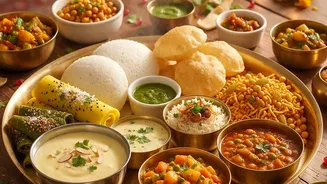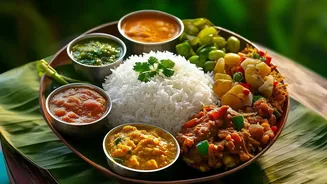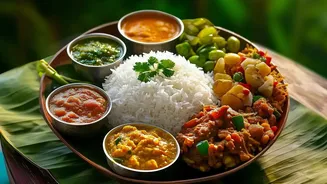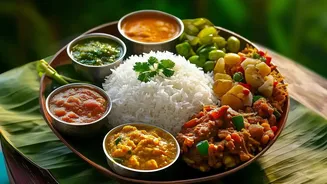



The Great Indian Vegetarian Paradox
India is home to the largest vegetarian population in the world, a dietary practice deeply rooted in culture and tradition. Simultaneously, the country is facing a diabetes crisis, with over 100 million people diagnosed and many more on the cusp. This
apparent contradiction is what some experts call the 'Indian vegetarian paradox'. The long-held belief that avoiding meat automatically translates to better health is being challenged by modern lifestyles and, more importantly, by what constitutes the modern Indian vegetarian meal. While studies have shown that well-planned vegetarian diets are associated with a lower likelihood of diabetes, the benefits are not guaranteed. The key, as researchers now emphasize, lies in the overall quality of the food on the plate.
Not All Plant-Based Diets Are Created Equal
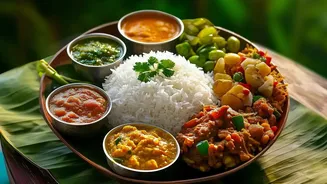
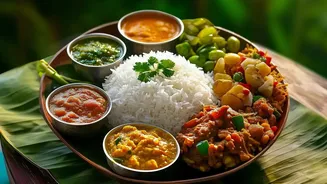
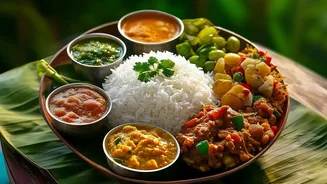
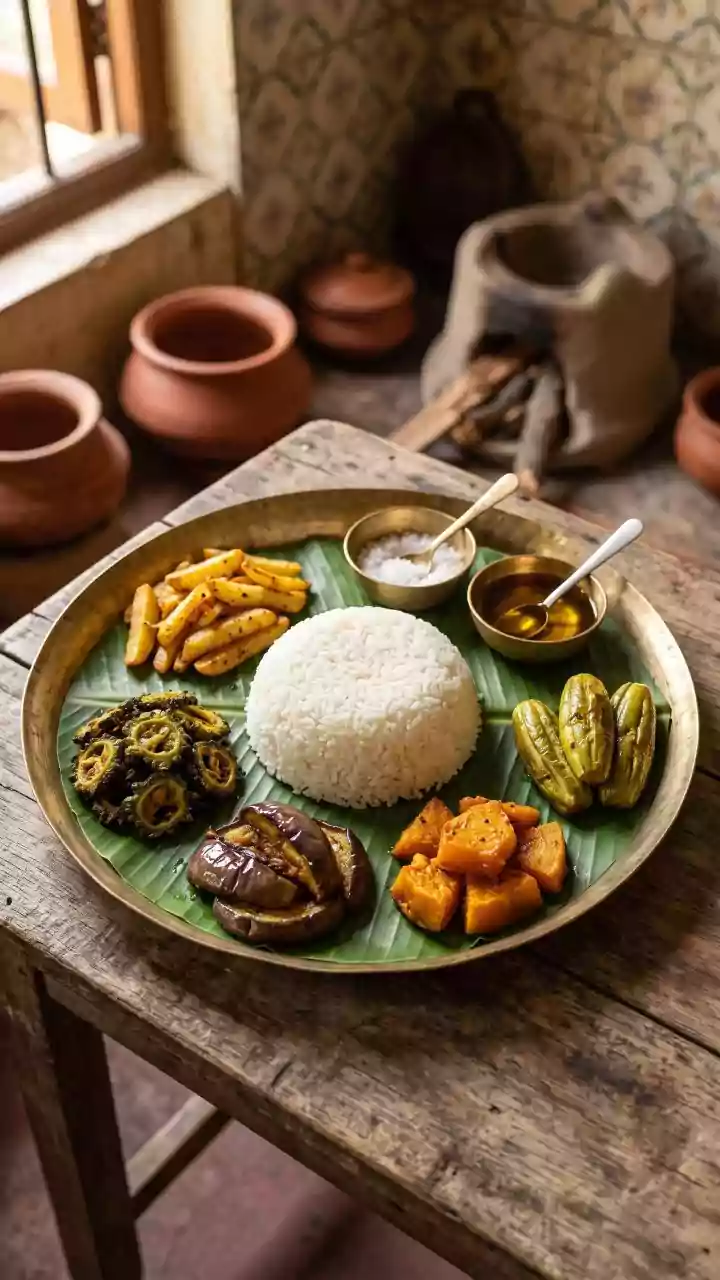
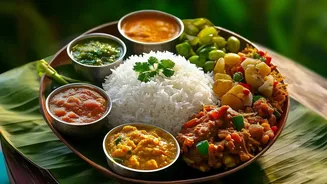
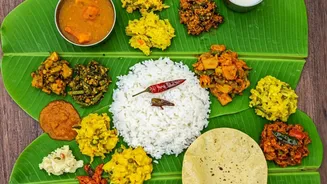
The central finding of recent nutritional science is a simple but powerful one: a diet can be entirely plant-based and still be unhealthy. The risk factor isn't the presence of vegetables and lentils, but the overwhelming dominance of low-quality carbohydrates. A typical Indian meal, even a home-cooked one, can be disproportionately heavy on grains. Think large portions of polished white rice or numerous rotis made from refined wheat flour (maida), often with only a small serving of dal and vegetables. This pattern, repeated daily, leads to a high carbohydrate load that is low in fibre, causing sharp and frequent spikes in blood sugar. Over time, this can overwhelm the body's ability to manage glucose, leading to insulin resistance and eventually type 2 diabetes.
The Real Culprits: Refined Grains and Sugar
Studies, including the large-scale ICMR-INDIAB analysis, have directly linked high consumption of refined carbohydrates to an increased risk of type 2 diabetes in India. The average Indian diet derives a significant portion of its calories—sometimes over 60%—from carbohydrates, much of it from sources like white rice and refined wheat. These foods are stripped of their natural fibre during processing, which means they are digested quickly and release glucose rapidly into the bloodstream. Add to this the prevalence of sugary drinks and packaged snacks, which are often vegetarian but loaded with added sugars and unhealthy fats, and you have a recipe for metabolic trouble. An 'unhealthy' plant-based diet, rich in these items, can actually increase diabetes risk.
Building a Healthier Indian Vegetarian Plate
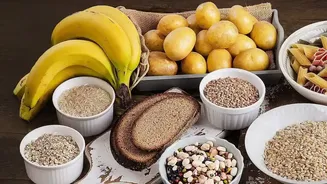
The good news is that an Indian vegetarian diet can be incredibly effective for managing and preventing diabetes with a few strategic shifts. The focus should be on improving meal quality by rebalancing the plate. This means reducing the portion size of grains and upgrading their quality. Swapping white rice for brown rice or millets like jowar and bajra, and using whole wheat atta instead of maida for rotis, increases fibre intake and slows down sugar release. The space freed up on the plate should be filled with non-starchy vegetables like spinach, cabbage, bitter gourd (karela), and broccoli. These are low in calories but high in nutrients and fibre. Finally, ensuring adequate protein from sources like dal, chana, rajma, paneer, and tofu is crucial for satiety and stable blood sugar.
Beyond the Plate: It's About Balance
Simply swapping one grain for another is not a magic bullet. While millets are a healthier choice, overall carbohydrate quantity still matters. The goal is to create a balanced meal that includes complex carbohydrates, lean protein, healthy fats, and plenty of fibre from vegetables. Traditional Indian cooking methods that use a variety of lentils, legumes, and spices are naturally beneficial. For example, starting a meal with a high-protein option like moong dal chilla or a handful of roasted chana instead of carb-heavy snacks can make a significant difference. Combining a sensible diet with regular physical activity remains the most effective strategy for long-term health.