






The Invisible Materials in Your Food
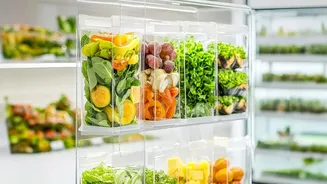
Every day, our food comes into contact with various materials: the plastic wrap on vegetables, the lining of a juice carton, the tiffin box carrying lunch, and even the ink on labels. These are known as Food Contact Materials (FCMs). For the most part,
they are designed to be safe and to protect our food. However, there are growing concerns about tiny, invisible chemicals from these materials migrating into what we eat and drink. Substances like Bisphenol A (BPA) and a group of chemicals called PFAS have been linked to health issues, which is why claims like “BPA-free” have become common selling points. The challenge for shoppers has always been the inability to confirm if a product truly lives up to its safety promise.
What the Current Rules Say
India’s food safety watchdog, the Food Safety and Standards Authority of India (FSSAI), has regulations for food packaging, first established in 2018. These rules set standards for materials like plastic, glass, and paper to ensure they don’t contaminate food. They also specify migration limits, which cap the amount of a substance that can transfer from the packaging to the food. While these regulations provide a legal framework, the system has largely relied on post-market checks and manufacturer honesty. For the average consumer standing in a store, there is no simple way to check if the “100% food grade” logo on a package is backed by actual compliance data. This gap between a claim and its verification is what the new draft aims to address.
A Proposed Shift Towards Transparency
In a significant move to strengthen consumer protection, FSSAI has put forward draft amendments to its packaging regulations. One of the key proposals is to explicitly ban the use of certain harmful substances. The draft calls for a prohibition on PFAS—often called 'forever chemicals'—in any material that touches food. It also mandates that materials like polycarbonate plastics and epoxy resins, commonly used in containers and linings, must be free of BPA and its derivatives. These proposed bans align India’s standards more closely with global best practices and reflect growing scientific evidence about the risks these chemicals pose. The draft was opened for public and industry feedback, signaling a clear shift in regulatory focus.
Making Claims Easier to Question
The headline feature of the regulatory push is the emphasis on making claims verifiable. While the draft's text focuses on banning harmful chemicals, the broader regulatory environment is moving towards greater accountability. FSSAI has been strengthening its consumer-facing reporting mechanisms, allowing people to flag misleading labels online and through apps like 'Food Safety Connect'. More importantly, recent developments indicate that new products will require mandatory scientific backing for any safety claims made. This means a company can't just print “non-toxic” on a label; it will need to have credible evidence to substantiate it. This pre-market validation, combined with enhanced digital tools for consumers, is the mechanism that will allow shoppers to question and, eventually, verify the claims they see on shelves. While a QR-code-based system for direct verification is not yet explicitly in this draft, it is seen as a logical next step in this transparency drive.
What This Means for Indian Consumers
If these draft regulations are implemented, they will represent a major win for consumer rights and public health in India. The power dynamic begins to shift from blind trust in brands to a system of informed verification. Forcing companies to provide scientific proof for their claims before products hit the market puts the onus of safety squarely on the manufacturer. It discourages the use of vague or misleading marketing terms that prey on health-conscious buyers. For the consumer, this means the claims on a tiffin box or water bottle will have more weight behind them. It empowers you to make healthier choices for your family, backed by a regulatory system that demands truth in labelling. This move isn't just about stricter rules; it’s about building a food ecosystem where transparency is the default, not the exception.