





The Minerals: Talc and Asbestos
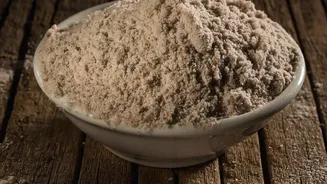
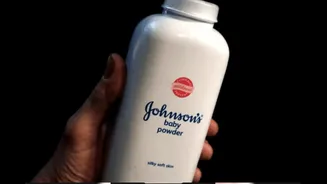
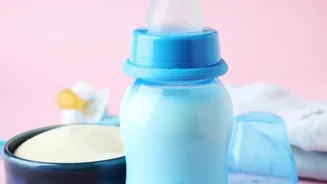
At the heart of this issue are two naturally occurring minerals: talc and asbestos. Talc, the softest mineral on earth, is prized for its ability to absorb moisture and reduce friction, which is why it became the primary ingredient in products like baby
powder. Asbestos is a silicate mineral known for its heat resistance and durability, but it is also a well-established human carcinogen. The problem is that in the earth, veins of talc and asbestos are often found in close proximity. This creates a significant risk of cross-contamination during the mining process. If not properly purified, asbestos fibres can end up in the final consumer product.
The Contamination Question
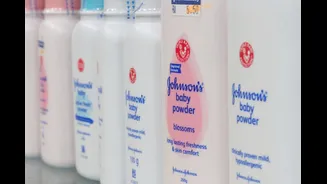
The central allegation in the tens of thousands of lawsuits filed against Johnson & Johnson is not just that its talc was contaminated, but that the company knew about it for decades and failed to warn consumers. Since the 1970s, concerns have been raised about asbestos in cosmetic talc. Court documents and internal reports have suggested that J&J's own testing sometimes found small amounts of asbestos in its talc, a claim the company has consistently and vigorously denied. For years, J&J maintained that its baby powder was safe and asbestos-free. However, facing mounting legal pressure and what it called "misinformation," the company discontinued the sale of its talc-based baby powder globally, switching to a cornstarch-based formula instead.
The Link to Cancer: Ovarian and Mesothelioma
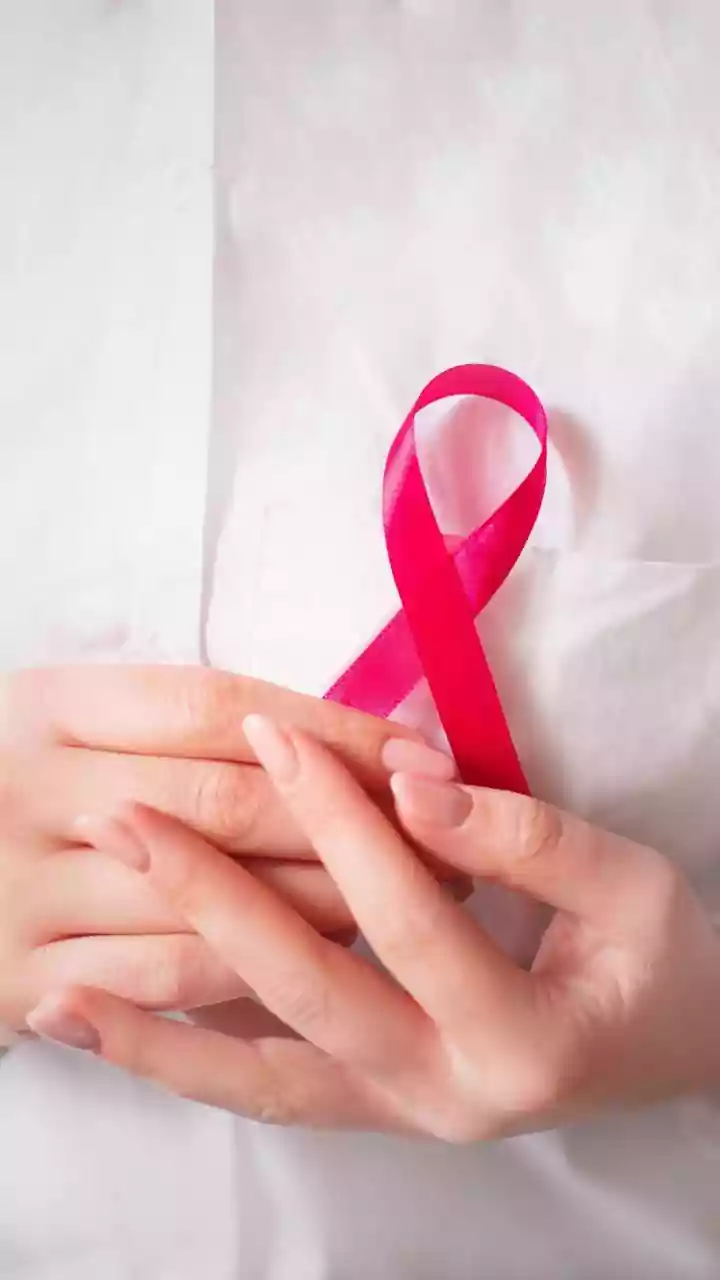
The lawsuits link talcum powder to two main types of cancer: ovarian cancer and mesothelioma. Mesothelioma is a rare and aggressive cancer almost exclusively caused by asbestos exposure. The link here is straightforward: plaintiffs allege that inhaling asbestos-contaminated talcum powder led to their illness. The connection to ovarian cancer is more complex and debated. The theory is that when talcum powder is used for feminine hygiene, particles can travel up the reproductive tract to the ovaries, causing chronic inflammation that may eventually lead to cancer. While some studies have shown a statistically significant increased risk of ovarian cancer with long-term genital talc use, others have not found a definitive link. This scientific debate has become a key battleground in the courtroom, with J&J often calling the link "junk science."
Decades of Legal Battles
The litigation against J&J has stretched for more than a decade, involving tens of thousands of plaintiffs. Juries have delivered mixed verdicts, with some awarding plaintiffs staggering sums in the billions of dollars, while others have sided with the company. J&J has attempted multiple times to resolve the litigation by placing the subsidiary facing the claims into bankruptcy, a move that has been repeatedly rejected by courts. As of July 2026, the company has proposed a settlement of $5.5 billion to resolve the majority of the remaining ovarian cancer claims, conditional on a high percentage of plaintiffs agreeing to the deal. This follows a separate set of settlements that largely resolved the mesothelioma cases.
What Happens Next?
The proposed $5.5 billion settlement marks a potential turning point in this long-running saga. If the vast majority of claimants agree, it could bring an end to the bulk of the ovarian cancer lawsuits that have dogged the company for years. However, Johnson & Johnson continues to maintain that its products are safe and that the cancer claims lack scientific merit, stating that the settlement is a way to put the issue behind it. For consumers, the story is a powerful reminder of the complex intersection of consumer products, corporate responsibility, and the ongoing process of scientific discovery. The saga has fundamentally changed the public perception of a once-trusted product and has placed a greater spotlight on the regulation and safety of cosmetic products.