





A Gift of Grace and Diplomacy
On August 7, 2026, India formally presented five young peacocks to the United Nations Office at Geneva (UNOG) in a special ceremony. India's Permanent Representative to the UN, Arindam Bagchi, handed over the birds to UNOG Director-General Tatiana Valovaya.
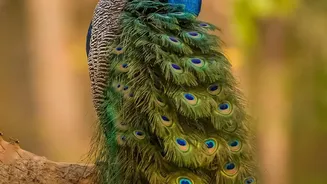
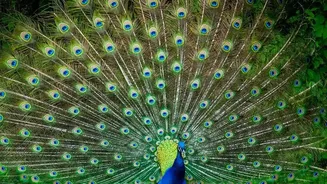
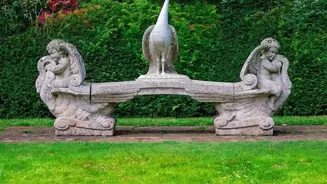
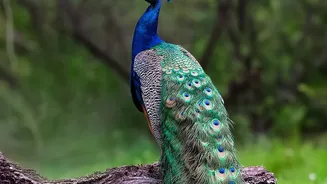
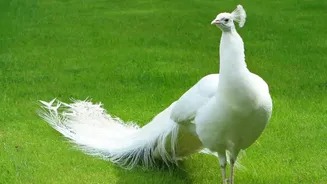
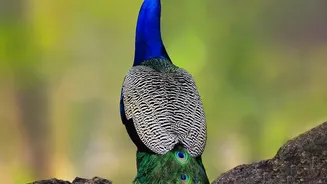
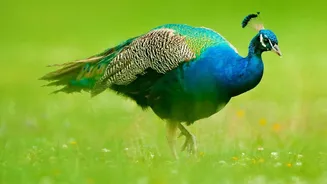
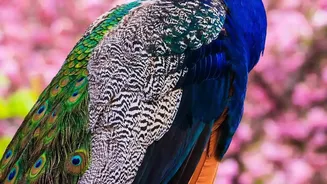
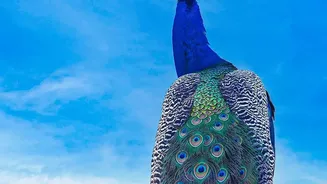
The gift consists of four classic blue peafowl and one rare white male, a combination that cleverly mirrors the blue and white colours of the United Nations itself. The Indian Mission stated that the gesture underscores the country's partnership with the UN and its steadfast commitment to multilateralism. More than just an addition to the park's biodiversity, the peacocks serve as a vibrant, living symbol of India's rich natural heritage and its cultural ethos on a global stage.
Reviving a Historic Tradition
This act of avian diplomacy revives a tradition that connects India and the UN in Geneva across decades. This is the second time India has made such a gift; the first was in 1981 when then-Prime Minister Indira Gandhi sent a breeding pair from the Delhi Zoo. The presence of peacocks in Ariana Park, however, is a tradition that is over a century old, predating even the UN and its predecessor, the League of Nations. The practice dates back to the park's original owner, Gustave Revilliod, who bequeathed his estate to the city of Geneva in 1890 with the condition that his beloved peacocks would always be allowed to roam freely there. Before this new arrival, the peacock population had dwindled, with some reports mentioning only a single, rarely seen bird remaining.
Settling into a Prestigious New Home
The five peacocks have arrived in what the director of the Geneva Bioparc, which is overseeing their care, called a "dream habitat". Ariana Park is a lush 46-hectare space surrounding the Palais des Nations, the UN's European headquarters. For their first three months, the birds will live in a specially prepared temporary aviary to help them adapt to their new surroundings. Afterwards, they will be allowed to roam freely, joining the other peacocks that call the park home—many of which are descendants of a pair gifted by a Japanese zoo in 1997. UN officials noted that the new arrivals, all young males hatched this year, seemed unruffled by the attention at their welcoming ceremony.
A Symbol of Peace and Natural Beauty
The Indian peacock, or Pavo cristatus, is not just India's national bird but also a powerful symbol of grace, beauty, and resilience. In gifting these birds, India's mission highlighted its enduring commitment to biodiversity and environmental stewardship. Director-General Valovaya expressed her happiness at welcoming the birds, noting their symbolic UN colours. The peacocks' arrival connects two distinct forms of heritage: Geneva's long history as a center for global diplomacy and India's deep cultural association with the peacock as a symbol of nature. The UN has even announced plans to launch a competition to name the five new feathered residents. These birds now represent a small but significant piece of India, thriving at a site dedicated to international cooperation and peace.