





A Feathered Diplomatic Arrival
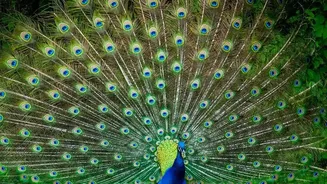
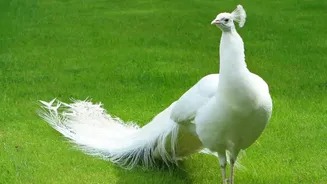
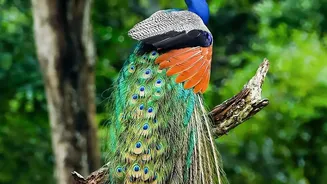
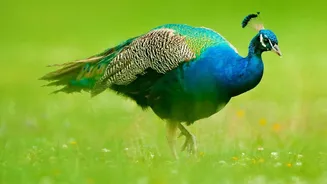
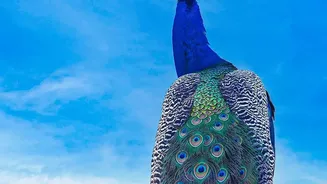
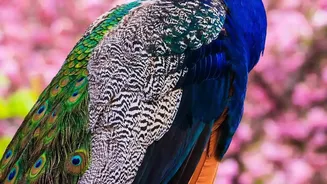
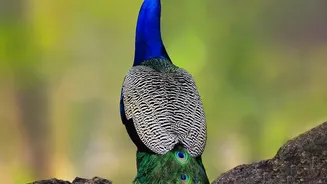
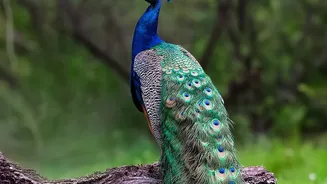
In a special ceremony, India’s Permanent Representative to the UN in Geneva, Arindam Bagchi, formally presented the five peacocks to UNOG Director-General Tatiana Valovaya. The group consists of four classic blue Indian peafowl and one striking white
male. This specific combination was noted as a symbolic nod to the blue and white colours of the United Nations itself. The gift was framed as a celebration of India's natural heritage and a reaffirmation of its long-standing partnership with the UN. For now, the birds will spend three months in a specially prepared aviary to acclimate before they are allowed to roam the park freely, joining a living tradition that predates the UN itself.
A Tradition Older Than the UN
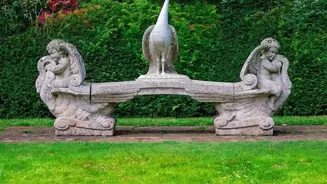
The presence of peacocks in Ariana Park is a tradition stretching back over a century. The park was originally the private estate of Swiss philanthropist and art collector Gustave Revilliod. In 1890, he bequeathed the estate to the city of Geneva with a few conditions: that he be buried on the grounds, that the park be named for his mother, and, crucially, that his beloved peacocks always be allowed to roam freely. Over the decades, as the estate became home first to the League of Nations and then the UN, the peacock population has been sustained by various donations. Before this new arrival from India, the flock had reportedly dwindled significantly, making this gift a vital revitalization of Revilliod's legacy.
Reviving an Indian Connection
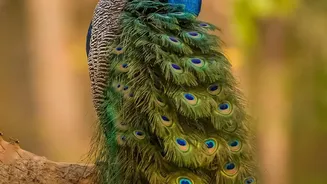
This is not the first time India has contributed to the avian residents of Ariana Park. In 1981, then-Prime Minister Indira Gandhi gifted a breeding pair of peacocks from the Delhi Zoo to the UN in Geneva. The recent donation of five more birds is therefore a direct continuation of that 45-year-old gesture of goodwill. Officials highlighted that the Indian Peacock, or Pavo cristatus, is a symbol of grace, beauty, and resilience, representing India’s commitment to biodiversity and environmental stewardship. The act serves as a powerful example of "peacock diplomacy," a form of soft power that uses cultural symbols to strengthen international ties.
The Symbolism of India's National Bird
The choice of the peacock is deeply significant. Declared India's national bird in 1963, the peacock is interwoven into the fabric of Indian culture, religion, and art. In Hinduism, the bird is revered as the vehicle of Lord Kartikeya, the god of war, and is associated with goddesses like Saraswati and Lakshmi, symbolizing wisdom and prosperity. Its image is a recurring motif in Mughal miniature paintings, textiles, and tribal art, where it often represents royalty, opulence, and the interconnectedness of life. By gifting these birds, India is sharing a living piece of its rich cultural and mythological heritage with the international community at the heart of global diplomacy.