






The Pre-Dawn Meal: What is Sargi?
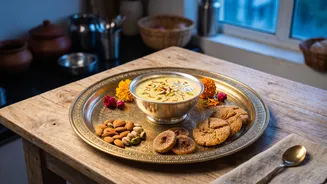
Your Karwa Chauth day begins before the sun rises with a special meal called Sargi. Traditionally, this is a thali or collection of foods prepared by a mother-in-law for her daughter-in-law. It’s more than just food; it’s a gesture of love, care, and
blessings for the day ahead. The meal typically includes items that provide energy, such as fruits, sweets, and sometimes dishes like feni or mathri. Receiving and eating Sargi marks the official start of your fast. Think of it as a loving send-off into a day of devotion.
The Nirjala Vrat: A Day of Reflection
Karwa Chauth is traditionally observed as a ‘nirjala vrat,’ which means fasting without food or water from sunrise until moonrise. This practice is a symbol of a wife's devotion and prayer for her husband's well-being and long life. For a first-timer, this can sound daunting. It’s important to remember that the festival is a personal and spiritual observance. The day is often spent in a calm state, engaging in light activities, and spending time with family and friends who are also observing the fast. Many women use this time for reflection and togetherness.
Evening Puja: Storytelling and Community
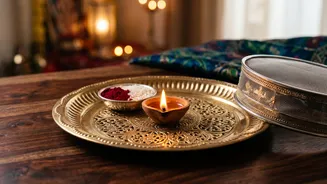
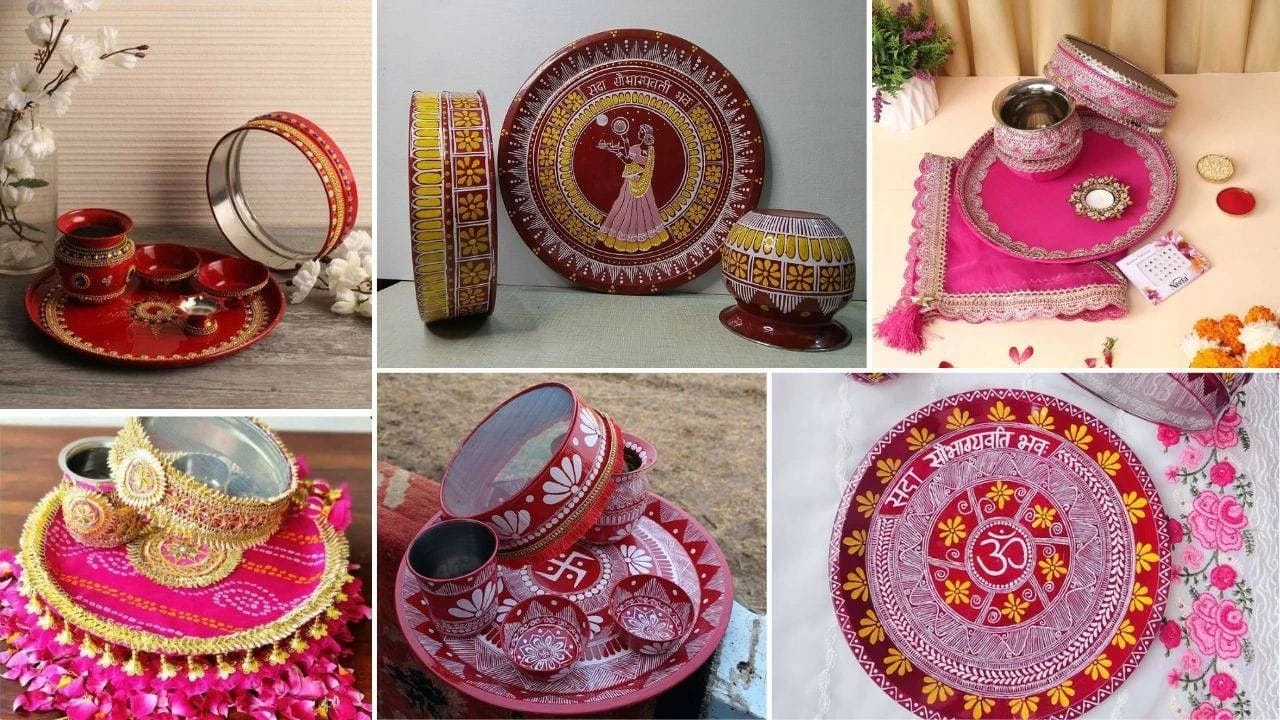
As evening approaches, the main puja ceremony takes place. Women in the community, beautifully dressed in traditional attire, often gather together at one person's home. The centerpiece of this ritual is the puja thali, a decorated plate holding several symbolic items. Your thali will typically have a diya (lamp), an earthen pot with water (the 'karwa'), sweets, unbroken rice (akshat), and kumkum (roli). A significant part of this gathering is the narration of the Karwa Chauth 'vrat katha' or story, most commonly the tale of Queen Veeravati. The women often sit in a circle and pass their thalis around, creating a powerful sense of community and shared purpose.
The Legend of Veeravati
The most popular story told during the puja is that of Queen Veeravati, the only sister to seven loving brothers. On her first Karwa Chauth, she found the strict fast difficult. Seeing her distress, her brothers tricked her by creating a fake moonrise using a mirror in a tree. The moment she broke her fast, she received news of her husband's demise. Distraught, she was met by the Goddess Parvati, who explained the deception. Veeravati then observed the fast again with unwavering devotion, which led to her husband's life being restored. This story underscores the importance of sincere devotion in the festival's traditions.
Breaking the Fast: Sighting the Moon
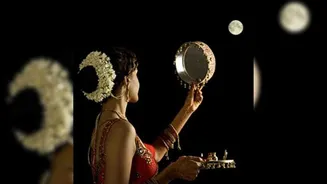
The long day of fasting concludes with the sighting of the moon. This is the most awaited moment of the day. The ritual involves the wife looking at the moon through a sieve, or 'channi,' and then turning to look at her husband through the same sieve. After offering prayers and water ('arghya') to the moon, the husband offers his wife her first sip of water and a bite of food, officially breaking her fast. This tender moment is a culmination of the day's prayers and devotion, reinforcing the marital bond. It’s a quiet, intimate ritual that beautifully concludes the day's observance.