


A Global Crisis and a Strategic Response
The period following geopolitical conflicts saw energy markets thrown into turmoil, with crude oil prices surging. For a nation that imports over 85% of its crude oil, this presented a monumental economic challenge. While many Western countries imposed
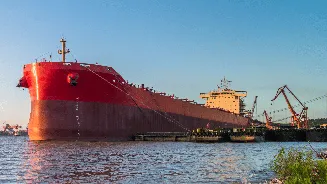
sanctions and shunned Russian oil, India took a pragmatic and controversial turn. It dramatically increased its intake of discounted crude from Russia, which had been offering steep discounts to find new buyers. This strategic pivot from traditional Middle Eastern suppliers was the first line of defence, providing a crucial cushion against the full force of the global price surge and allowing India to secure energy at a more manageable cost.
Shielding the Domestic Economy
Securing cheaper crude oil was only half the battle. The next critical step was to prevent the imported inflation from crippling domestic activity. The government and the Reserve Bank of India (RBI) employed a multi-pronged strategy. Measures included excise duty cuts on petrol and diesel and, at times, freezing pump prices for extended periods, effectively shielding consumers and businesses from extreme volatility. While this put a significant financial strain on state-run oil marketing companies (OMCs), it kept transportation costs in check and prevented a cascading effect on the prices of essential goods and services. This policy of absorption, combined with a high tax structure on fuel that provided a fiscal buffer, allowed the government to manage the shock without immediately passing the burden onto the public.
The Engines of a Resilient Economy
With inflation relatively contained, the core drivers of the Indian economy were able to fire. The 7.8% growth figure was not just an anomaly; it was fueled by strong domestic fundamentals. The International Monetary Fund (IMF) noted that the better-than-expected performance was driven by robust activity in the services sector and a surprising uptick in exports. Strong domestic demand, propped up by stable consumer spending and significant government capital expenditure in infrastructure, provided a powerful internal engine. This created a virtuous cycle: controlled energy costs supported manufacturing and services, which in turn sustained employment and consumption, insulating the economy from the worst of the global slowdown.
The Price of Pragmatism
India's strategy was not without its costs and critics. The decision to buy Russian oil drew geopolitical scrutiny, particularly from the U.S. and European nations. Furthermore, the financial benefits have been a subject of debate, with some analysts suggesting the net savings were more modest than initially believed after factoring in expenses like shipping and insurance. Domestically, insulating consumers meant that OMCs incurred massive under-recoveries, a cost ultimately borne by the state exchequer. This approach highlighted a delicate balancing act between short-term economic stability and long-term fiscal health and diplomatic relationships. While successful in the moment, it underscored India's underlying vulnerability to global energy price fluctuations.