




The Promise of a Constant Eye in the Sky
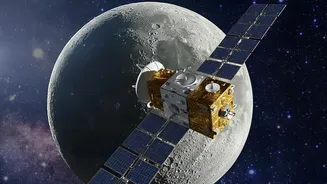
The original satellite in this story, first known as GISAT-1 and later designated EOS-03, was meant to be a game-changer for India. Launched in August 2021, its goal was to be the nation's first Earth-imaging satellite placed in a high geosynchronous
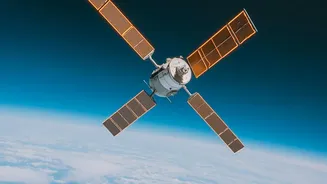
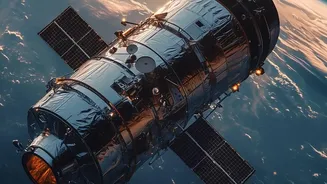
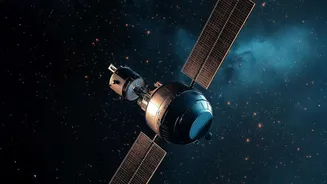
orbit. Unlike satellites in lower orbits that pass over a location periodically, a geo-orbital satellite stays locked over the same region. This would have provided ISRO with the unprecedented ability to monitor the Indian subcontinent and its surrounding oceans in near real-time, 24/7. The applications were immense: tracking the rapid development of cyclones, issuing timely flood warnings, monitoring forest fires, and aiding in disaster management and strategic surveillance. It was a highly anticipated mission designed to significantly boost India’s observational capabilities.
A Setback Minutes After Liftoff
On August 12, 2021, the Geosynchronous Satellite Launch Vehicle (GSLV) F10 rocket lifted off from Sriharikota carrying the precious satellite. The initial stages of the launch performed normally, but just over five minutes into the flight, a serious problem occurred. A technical anomaly in the rocket's cryogenic upper stage—the final engine designed to push the satellite into its transfer orbit—prevented it from igniting. A Failure Analysis Committee later determined that a leak in a critical valve caused a drop in pressure in the liquid hydrogen tank, leading to the malfunction. The mission was aborted, and the satellite was lost. It was a significant and public setback for ISRO, breaking a long streak of successful launches.
From Failure to a Stronger Foundation
In science, and especially in space exploration, failures are often as important as successes. They provide invaluable data and force a rigorous re-evaluation of systems and processes. ISRO’s response to the GSLV-F10 failure was a prime example of this principle in action. The agency conducted a thorough investigation, identifying the faulty valve as the root cause. This deep dive led to crucial design improvements and stricter quality checks for the GSLV's complex cryogenic stage. The learnings from the 2021 mission were systematically incorporated into subsequent launches, strengthening the reliability of the entire launch vehicle program. This period of analysis and reinforcement, though born from a single failure, ultimately made India's broader space infrastructure more robust and resilient.
The Main Development: A Resilient Successor
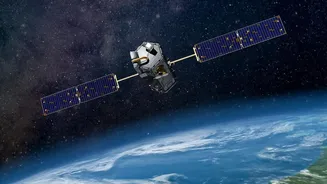
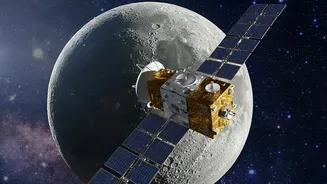
The true development to watch, emerging from the shadow of the 2021 failure, was the mission for its successor: a new satellite also named EOS-05. After years of painstaking work and applying the lessons learned, ISRO launched the replacement EOS-05 satellite on September 4, 2026, aboard a GSLV-F17 rocket. This launch was a resounding success, placing India's first-ever imaging satellite into its intended geosynchronous orbit. The successful mission was a morale booster and a powerful demonstration of ISRO's comeback capability. This new 'eye in the sky' is now fulfilling the original promise, providing continuous, real-time imagery to help with everything from disaster management to national security.
A Network of Eyes Watching Over India
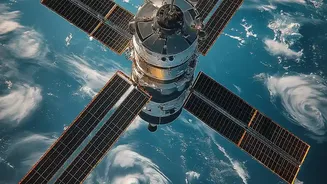
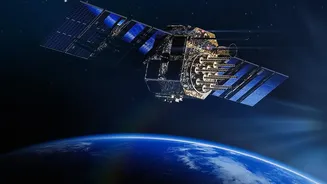
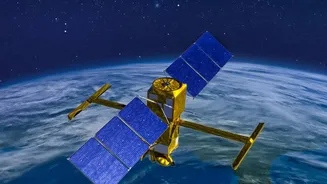
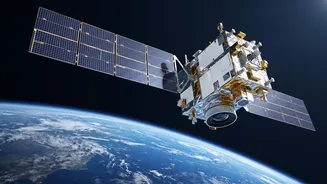
The story doesn't end with a single satellite. The journey from the EOS-03 failure has underscored the importance of a diversified network of observational assets. While the new EOS-05 provides a constant vigil from a high orbit, it works in concert with a host of other successful Earth observation satellites launched by ISRO. For instance, the INSAT series, including the advanced INSAT-3DS launched in February 2024, provides critical meteorological data for weather forecasting. Satellites like EOS-06 (Oceansat-3) focus on monitoring ocean surfaces. Together, these satellites form a multi-layered constellation, each contributing unique data. This robust system ensures that India is not reliant on a single asset but has a comprehensive and resilient network monitoring its land, oceans, and atmosphere, safeguarding national interests and the lives of its citizens.