
A New Definition of Luxury
There was a time when luxury in Indian homes meant ornate carvings, heavy fabrics, and an abundance of shiny surfaces. Today, the philosophy is shifting from overt extravagance to a more considered, 'quiet luxury'. This trend isn't about having less;
it's about having better, more purposeful elements. The modern homeowner, particularly among millennials and Gen Z, seeks clarity, calm, and spaces that feel curated rather than cluttered. Gold, a colour deeply embedded in Indian tradition and festivity, has found a new, more subtle role in this narrative. It's no longer about flashy grandeur but about providing warmth, character, and a touch of artisanal elegance that mass-produced items cannot replicate.
The Muted Palette as a Perfect Canvas
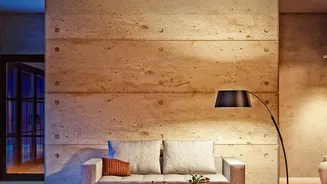
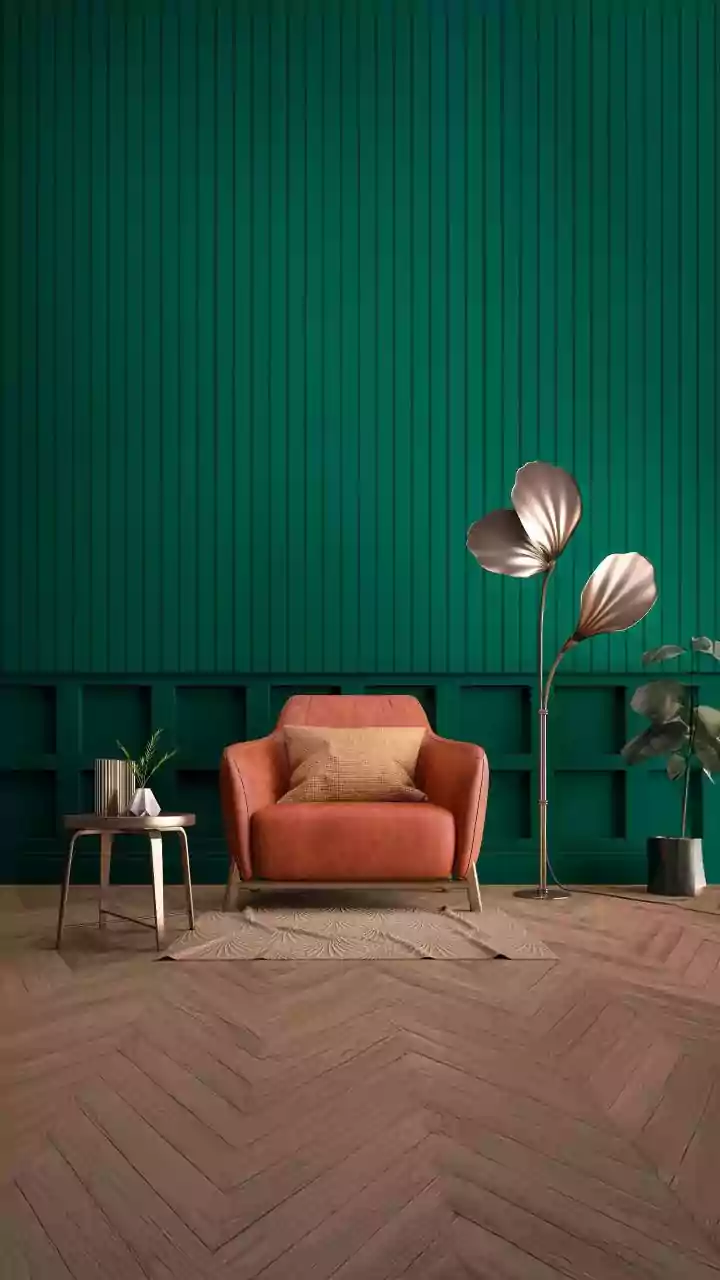
The success of this new aesthetic hinges on its foundation: a muted colour scheme. Think of soft taupes, creamy off-whites, gentle greys, and earthy tones like sand and terracotta. These desaturated colours create a serene, calming backdrop that allows statement pieces and special finishes to shine without competition. In India's bright, natural light, these palettes are also incredibly practical, hiding dust better than stark white and creating a visually soothing atmosphere. This neutral canvas ensures that the introduction of a powerful element like gold feels intentional and sophisticated, rather than jarring. It is the quiet backdrop that makes the whisper of gold audible.
The Art of Strategic Restraint
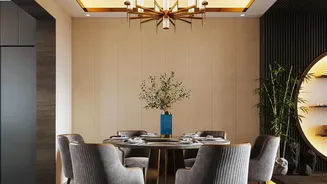
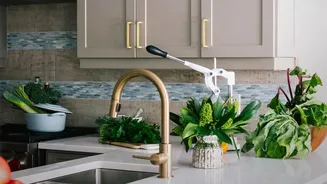
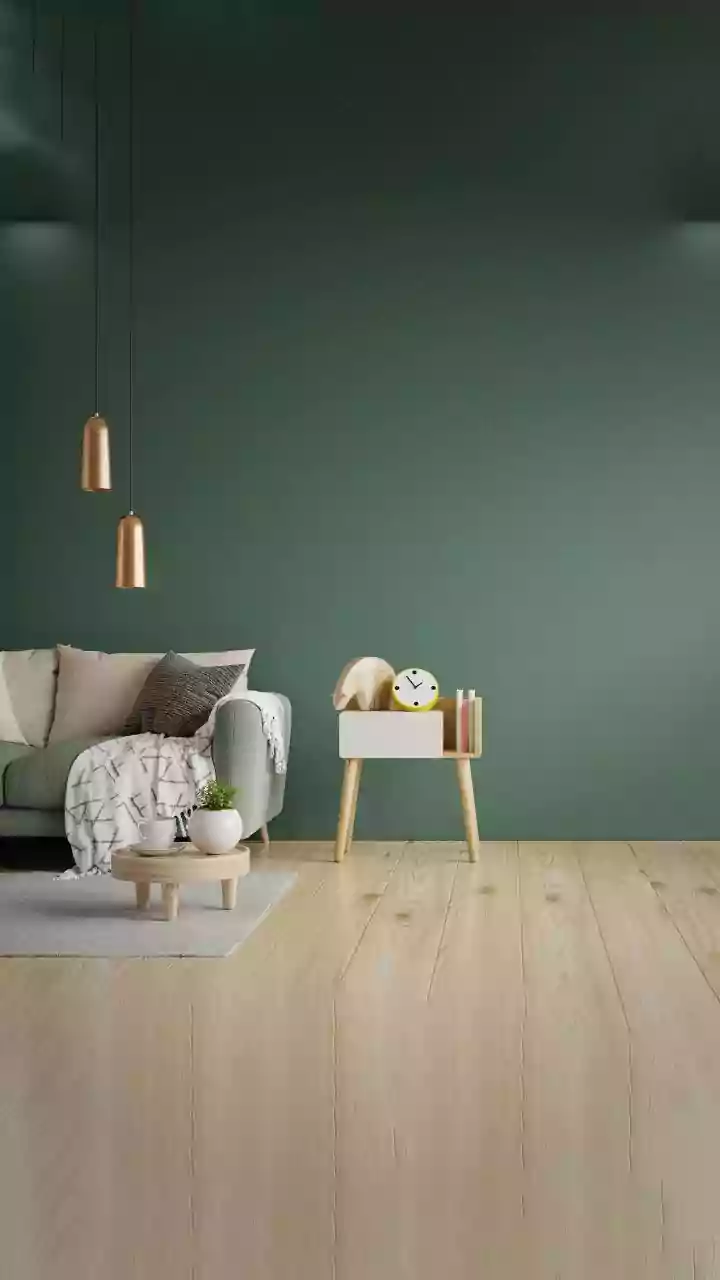
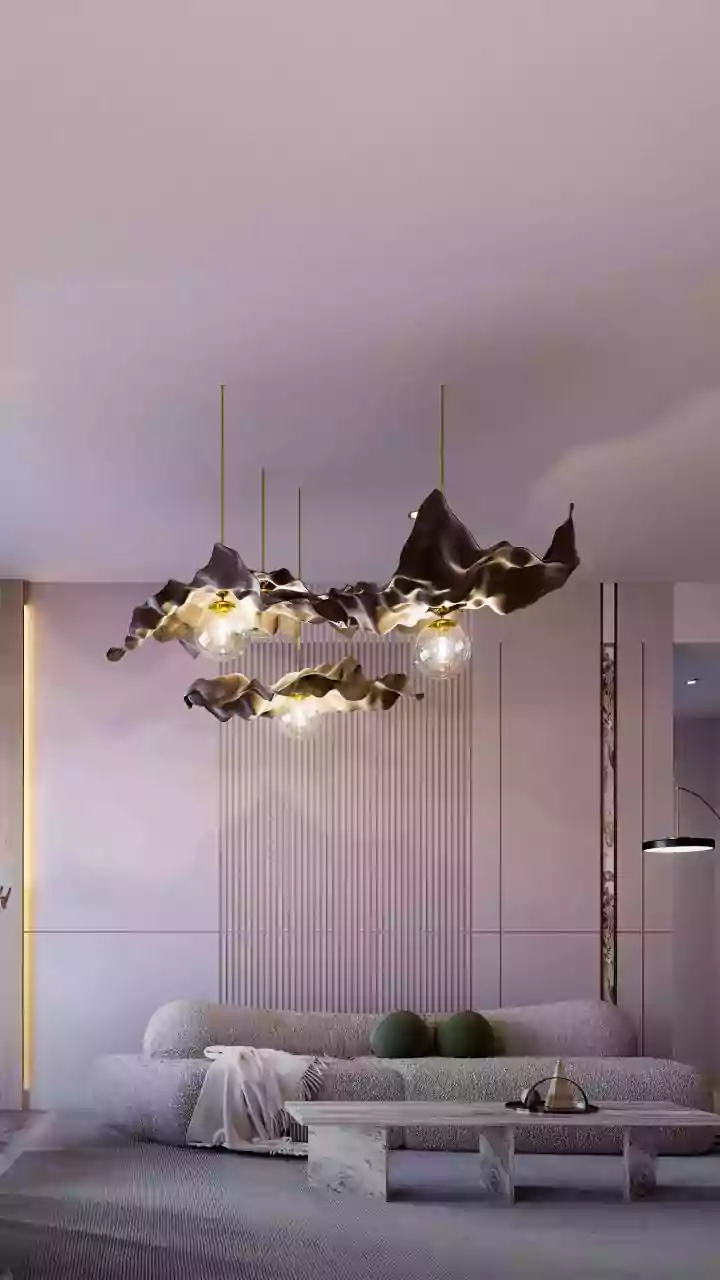
The key to successfully integrating gold is restraint. Instead of gilding entire walls, designers are using it sparingly to create emotion and draw the eye. Consider a single, sculptural brass door handle, a delicate gold-leaf motif on a headboard, or the thin, elegant lines of a brass inlay in a marble floor. Lighting fixtures, such as a golden pendant lamp over a dining table, and hardware like cabinet pulls or faucets are popular ways to introduce the metallic touch. Designers often follow a 'rule of three', placing gold accents at three different points in a room to create a cohesive visual thread that feels deliberate and harmonious. The finish matters, too; today's trend leans towards matte, brushed, or hammered gold, which feels more organic and artisanal than high-shine, polished surfaces.
Marrying Modern Lines with Ancient Craft
This trend is a beautiful marriage of contrasts: the stark geometry of modernism meets the handcrafted soul of traditional gilding. Gold leafing is an ancient art form, requiring painstaking precision as thin sheets of metal are applied by hand. When this intricate, textured finish is applied to a minimalist piece of furniture or a clean architectural feature, it creates a powerful dialogue between old and new. A sleek, handle-less cabinet might feature a gilded niche, or a minimalist bathroom could have a single, striking mirror with a gold-leaf frame. This fusion is particularly resonant in the context of modern Indian interior design, which increasingly seeks to blend global minimalist trends with local craftsmanship and cultural heritage.