




The New Pantry Staples
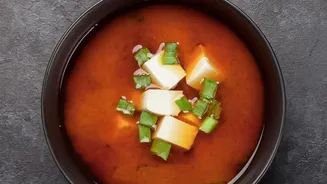
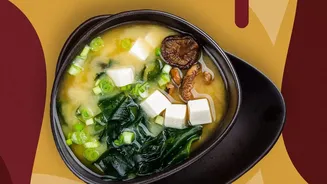
What were once considered exotic or gourmet ingredients, reserved for restaurant meals or special occasions, are steadily finding their way into daily Indian cooking. Miso, the savoury fermented soybean paste from Japan; kimchi, the spicy fermented cabbage
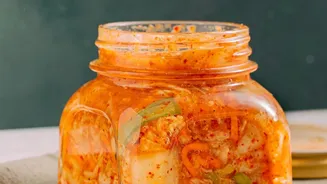
from Korea; and versatile olive oil are no longer just for show. Home cooks across the country are embracing these global flavours, not as replacements for traditional ingredients, but as exciting new tools in their culinary arsenal. This shift signals a broader trend: the Indian home kitchen is becoming more global, experimental, and confident than ever before.
The Rise of the Global Indian Palate
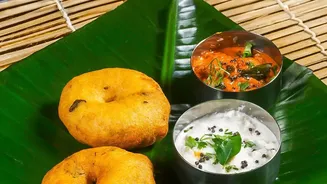
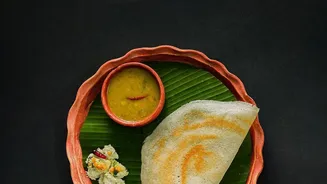
Several factors are driving this delicious transformation. The explosion of social media food content has exposed home cooks to a world of new ingredients and techniques. Indian food bloggers and YouTubers are creatively incorporating these items into daily meals, demystifying them for millions. Furthermore, a growing awareness of health and wellness has put a spotlight on the benefits of fermented foods and healthy fats. India has a rich history of fermentation, from dosas and idlis to homemade pickles and kanji, making the Indian palate naturally receptive to the complex flavours of kimchi and miso. This inherent familiarity with fermented tastes provides a welcoming bridge to Korean and Japanese staples.
Miso: The Umami Bomb for Indian Curries
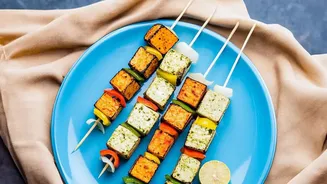
Miso is proving to be incredibly versatile in Indian cooking. Known for its deep, savoury umami flavour, it’s being used as a secret weapon to add complexity to a variety of dishes. Home cooks are stirring a spoonful into dal tadka for an extra layer of richness, creating a miso curry base for vegetables, and even using it in marinades for paneer and chicken. One home cook in New Delhi mentioned making a miso-infused baingan bharta and even adding it to khichdi to elevate the flavour. The key is that miso complements, rather than overpowers, the existing spice profiles, adding a depth that is both new and strangely familiar.
Kimchi: The Pickle with a Korean Kick
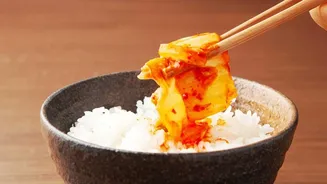
Kimchi’s spicy, tangy, and crunchy profile makes it a natural fit for the Indian love of pickles and spicy condiments. It's being used as a quick flavour enhancer in everything from fried rice to stuffed parathas. Some cooks are adding it to moong dal cheelas or using it to top uttapams for a fusion twist. Because kimchi offers tang, spice, and texture all in one, it acts as a shortcut to a more complex flavour profile. It can be added at the end of cooking to retain its crunch, much like a sprinkle of chaat masala or a squeeze of lime, or cooked down into gravies to provide a deeper, more integrated sour and spicy note.
Olive Oil's Journey to the Tadka Pan
Olive oil's role in the Indian kitchen has evolved significantly. Once seen as a luxury item for dressing salads, it's now a common sight in everyday cooking. The market for olive oil in India has seen steady growth, driven by health-conscious urban consumers. While extra virgin olive oil is still preferred for drizzling, home cooks are now using refined or light olive oil for traditional techniques like making tadkas for dals, sautéing vegetables, and preparing curry bases. Its ability to blend seamlessly with Indian spices without overpowering them has made it a practical choice for those looking to incorporate its heart-healthy benefits into their daily diet.