





A Jolt Out of the Blue
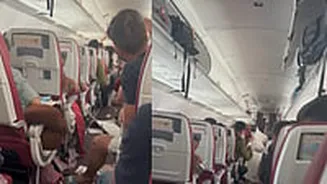
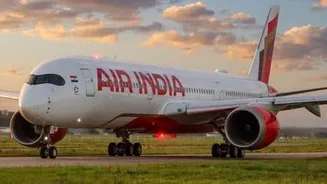
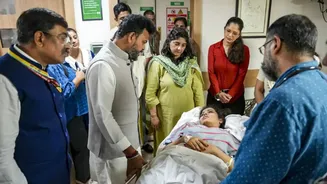
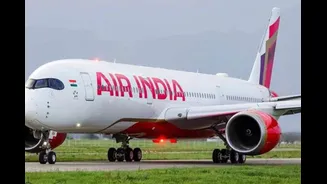
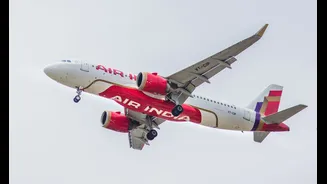
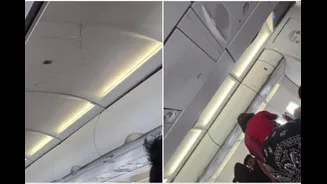
On August 4, 2026, an Air India flight from Phuket to Delhi with 137 passengers encountered severe turbulence. The aircraft reportedly dropped around 300 feet suddenly, causing injuries to at least 17 people, including passengers and crew members. Images
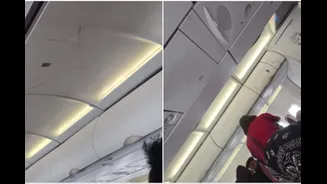
shared after the flight landed safely in Delhi showed damaged interior panels, a testament to the force of the event. While the aircraft remained safe and landed normally, the incident serves as a stark reminder that even in a clear sky, the air is not always calm. Most of the injured passengers were discharged from the hospital after evaluation, but some crew members required further medical care.
Understanding Turbulence
Turbulence is essentially unstable air movement that causes an aircraft to bump or even drop. While many associate it with stormy weather and dark clouds, one of the most challenging types is Clear-Air Turbulence (CAT). As the name suggests, CAT happens in cloudless, seemingly calm skies, making it invisible to the naked eye and difficult for pilots to detect with conventional radar. It's often caused by wind shear, which occurs when two adjacent bodies of air are moving at vastly different speeds. This can happen near jet streams—fast-flowing rivers of air in the upper atmosphere—or over mountain ranges. While thousands of flights encounter some form of turbulence each year, severe events are much rarer.
Your Best Defence: The Seatbelt
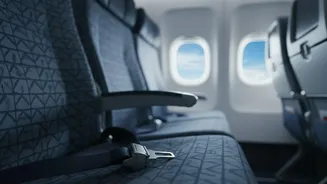
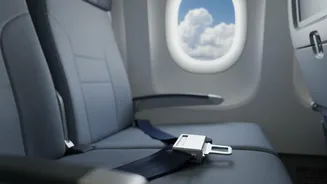
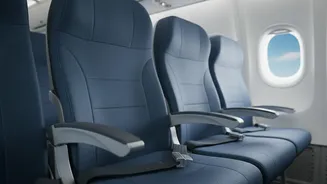
Aviation safety experts and regulatory bodies like the FAA are unanimous on the single most effective way to prevent injury from turbulence: keep your seatbelt fastened whenever you are seated. In most turbulence-related injury events, the people who get hurt are not buckled up. They may be walking to the restroom, or simply have their belt unbuckled while in their seat. A sudden, severe jolt can throw unsecured passengers and crew against the cabin ceiling or fixtures, leading to serious injuries. The advice from authorities is simple: even if the seatbelt sign is off, keeping it fastened offers a crucial layer of protection against unexpected air movements.
Securing Your Surroundings
Beyond personal safety, securing your environment is also key. Heavy items in seat-back pockets or loose laptops and tablets can become dangerous projectiles during severe turbulence. One documented incident involved a passenger being seriously injured by a laptop that fell from an overhead locker during a turbulent patch. Before takeoff, ensure heavy carry-on items are stowed securely in the overhead bins or under the seat in front of you. During a flight, being mindful of where you place items like drinks, books, and electronic devices can prevent them from causing harm to you or others if the ride suddenly gets bumpy.
Listen to the Crew
Flight attendants are highly trained professionals whose primary job is to ensure passenger safety. They are the first line of defence in the cabin. When the seatbelt sign illuminates, it is a legal requirement to return to your seat and buckle up immediately. Flight crews often get advanced warnings of potential turbulence from weather reports and communications from other aircraft, but Clear-Air Turbulence can occur with no warning at all. Following crew instructions promptly is critical. Their guidance to suspend service, secure the galleys, and take their own seats is a clear signal that passenger compliance is essential for everyone's safety.