






An Ambitious National Program
Turkey has made its cosmic ambitions clear. The establishment of the Turkish Space Agency (TUA) in 2018 was a formal declaration of intent, gathering various national space efforts under one roof. This was followed by the announcement of a 10-year National
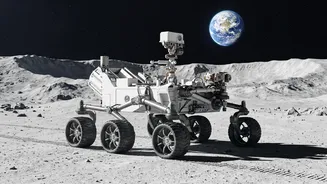
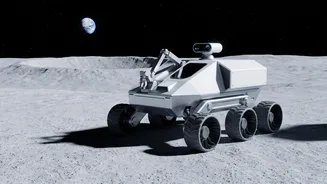
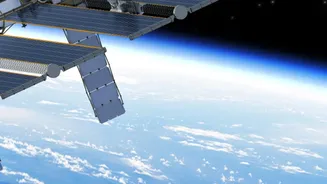
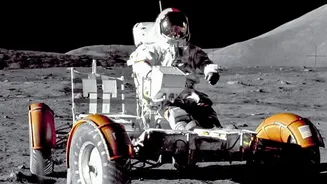
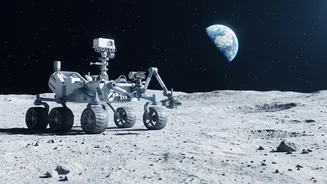
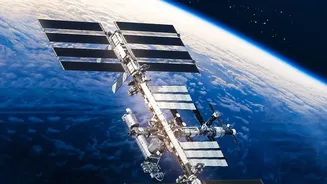
Space Program, a roadmap that includes missions to the Moon, developing internationally viable satellite systems, and establishing a spaceport. Key goals include the Lunar Research Program (AYAP), which aims for a hard landing on the Moon with its AYAP-1 mission, now planned for 2027. This mission is not just a symbolic gesture; it's a critical step designed to test domestically developed technologies, such as a hybrid rocket engine, in deep space. These efforts are underscored by significant milestones, including sending its first astronaut, Alper Gezeravcı, to the International Space Station in 2024.
The Artemis Accords and Western Alignment
A pivotal moment in Turkey's journey occurred in August 2026, when it became the 71st nation to sign the Artemis Accords. This U.S.-led framework establishes principles for peaceful and transparent civil space exploration, particularly concerning missions to the Moon and Mars. By joining the Accords, Turkey has aligned its space program with a broad coalition of international partners committed to cooperative norms based on the Outer Space Treaty. The signing was hailed by officials as a new era for the country's space program, linking it directly to the growing cooperation between Turkey and the United States on space projects. This membership offers Turkey the opportunity to contribute hardware, scientific payloads, and other capabilities to future Artemis missions, integrating its burgeoning industry into a major international endeavor.
A Web of Strategic Partnerships
Turkey's strategy isn't solely focused on the West. Its approach to space cooperation mirrors its broader geopolitical posture as a nation that bridges East and West. While the Artemis Accords signal a strong partnership with the U.S. and its allies, Ankara has also been cultivating relationships with a diverse set of partners. The Turkish Space Agency has existing agreements with the space programs of countries like Ukraine and Hungary. This multi-vector approach allows Turkey to maximize its opportunities for technology transfer, joint projects, and diplomatic influence. Furthermore, Turkey is positioning itself as a regional hub, with plans to host the International Astronautical Congress in October 2026, bringing global space leaders to Antalya. This diplomatic balancing act is a core element of its strategy to build a robust and independent space capability.
The Question of European Integration
While not a full member, Turkey has a long-standing cooperative relationship with the European Space Agency (ESA). A formal cooperation agreement was signed back in 2004, covering areas like Earth observation and satellite navigation. Some cooperative activities are already underway, but full membership remains a complex issue. TUA has reportedly conducted assessments regarding potential ESA membership, which would offer deeper integration into European space supply chains and projects. However, Turkey has also prioritized developing its own indigenous capabilities, from manufacturing its own communications satellites to planning its own spaceport, reportedly with construction starting in Somalia. This drive for self-reliance, combined with a pragmatic approach to partnerships, suggests that Turkey will continue to engage with ESA, but on terms that align with its own national strategic goals.