







An Order of Historic Proportions
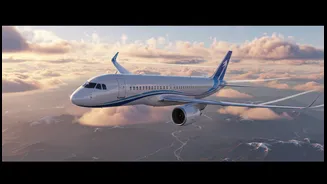
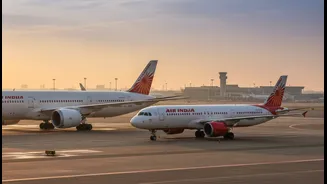
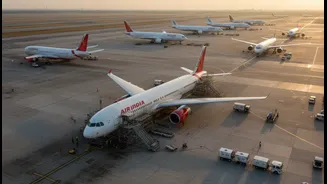
To understand the current challenges, it is crucial to appreciate the sheer scale of Air India's ambition. In 2023, the Tata Group-owned airline placed a monumental order for 470 new aircraft from both Airbus and Boeing, with commitments for more added
since. This order, one of the largest in aviation history, includes a mix of next-generation narrow-body jets like the Airbus A320neo family and Boeing 737 MAX, and wide-body aircraft such as the Airbus A350, Boeing 787 Dreamliner, and the Boeing 777X. The goal was clear: to rapidly modernise its fleet, improve passenger experience, and aggressively expand its domestic and international networks. This influx of new planes is the cornerstone of Air India's five-year transformation plan, positioning it to compete fiercely on the global stage.
The Engine: Aviation's Primary Bottleneck
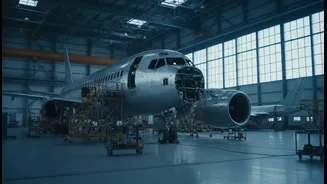
The single biggest factor disrupting Air India's delivery schedule is a worldwide shortage of aircraft engines. Both major engine manufacturers, Pratt & Whitney (P&W) and CFM International, are struggling to keep pace with the surging demand from planemakers. P&W's Geared Turbofan (GTF) engines, used on some Airbus A320neo family aircraft, have been plagued by production delays and significant in-service reliability issues requiring extensive inspections. This has a ripple effect, forcing Airbus to slow its production line. Similarly, CFM International, which produces the LEAP engine for the Boeing 737 MAX and the alternative engine for the A320neo family, is working to ramp up its output but faces its own supply chain hurdles. These engine shortages are the primary constraint on narrow-body aircraft production, directly affecting the delivery timelines for the workhorses of Air India's planned domestic and short-haul international expansion.
Beyond Engines: A Shortage of Seats and Cabins
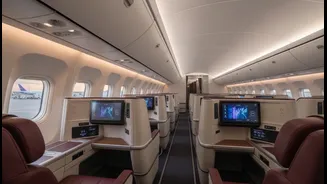
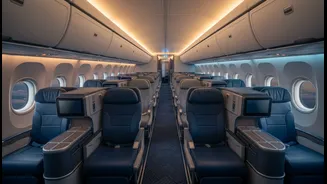
While engine availability is the main headline, the supply chain crunch extends deep inside the aircraft. Manufacturers are also facing significant delays in sourcing a wide range of cabin components. This includes everything from passenger seats and in-flight entertainment systems to galley equipment and lavatories. These items, often sourced from a diverse global network of sub-tier suppliers, are essential for completing an aircraft. For Air India, this has not only delayed the arrival of brand-new wide-body aircraft like the Airbus A350 but has also hampered the progress of its programme to retrofit older Boeing 777 and 787 jets with modern cabins. Even when an airframe is ready, it cannot be delivered until the full interior is installed, creating another layer of complexity for the airline.
The Ripple Effect on Expansion and Operations
These delivery delays have a direct and tangible impact on Air India's strategic plans. The slower-than-expected fleet growth has forced the airline to moderate its network expansion. This has led to the temporary withdrawal of some flights and a reduced capacity over the summer of 2026. To cope, the airline has been extending leases on older aircraft to maintain its schedule, a costly but necessary stopgap measure. While Air India's Chief Commercial Officer, Nipun Aggarwal, has stated that the airline is on track with its transformation and expects to restore most suspended flights from September, the situation highlights the airline's vulnerability to external factors. The delays create a challenging environment where the airline must balance its long-term growth ambitions with the immediate reality of constrained aircraft availability.