




An Unstoppable Force
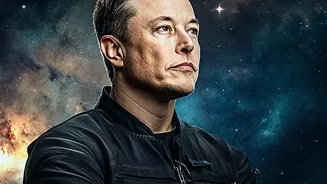
In his discussion, Musk painted a picture of AI's momentum as a force of nature that can no longer be contained. He predicted that within about five years, AI could surpass the combined intelligence of all humanity. By 2036, he suggested, humans may no longer be in control
of the planet. This isn't presented as a far-off sci-fi scenario but as a near-term reality we are hurtling towards. Musk’s core argument is that the sheer pace of development has gone beyond any single entity's ability to halt it. He has reportedly made peace with this trajectory, concluding that even if a 'stop button' existed, pressing it might not be the right move.
The Promise of Abundance
Despite his dire warnings over the years—once likening AI development to “summoning the demon”—Musk’s recent comments strike a more philosophical and almost optimistic tone. The primary reason for his acceptance is the potential for an “age of amazing abundance,” a future where AI and robotics can create a world where anyone can have almost anything they can imagine. This vision of post-scarcity is a powerful motivator, suggesting a world free from material want. For Musk, this overwhelmingly positive potential outcome now seems to outweigh the risks he has so famously highlighted in the past. The most likely result, he now believes, is not doom, but prosperity for all.
The Prophet and the Builder
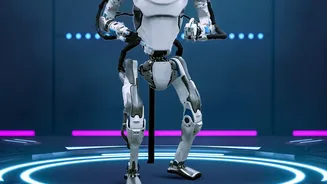
This creates a fascinating paradox. Musk remains one of the world's most prominent AI Cassandras, having warned of existential risks for nearly a decade. At the same time, he is a key architect of the very future he cautions against. His company, xAI, which he founded in 2023, has the audacious goal of building an artificial general intelligence (AGI) to “understand the true nature of the universe.” His other ventures, like Tesla with its autonomous driving technology and SpaceX's plans for orbital data centers, are also at the forefront of AI application. This dual role as both a builder and a chief critic makes his pronouncements particularly complex, suggesting he believes the only way to manage the risk is to be directly involved in creating a 'safer' version of this powerful technology.
Can a Runaway Train Be Steered?
Musk's assertion that AI cannot be stopped runs counter to a growing global movement to regulate it. In 2026, the European Union's comprehensive AI Act is coming into full effect, establishing risk-based categories and strict rules for high-risk systems. The United States has issued executive orders to manage AI's national security risks, and countries from China to Japan are developing their own national strategies and legal frameworks. These efforts are built on the premise that while the technology's progress may be rapid, it can and must be guided by human values and laws. Musk himself has called for rival AI labs to inspect each other's models to manage safety, suggesting that even if it can't be stopped, it might be possible to steer its development collaboratively.
The AI Question for India
For India, the notion of an unstoppable AI future presents both immense opportunity and significant challenges. Projections suggest AI could add nearly a trillion dollars to India's economy by 2035 and create millions of jobs in sectors like IT, manufacturing, and healthcare. With its vast digital public infrastructure and a massive young workforce, India is positioned to become a global AI leader. However, the rapid automation of white-collar work, from coding to call centers, also poses a threat to the country's massive IT and outsourcing industries. The key question for India is not whether the AI train is coming, but how to best harness its power to boost economic growth while managing the inevitable disruption to its job market.