






A seemingly minor technical task—a router upgrade—recently triggered a major failure in American air traffic systems, leading to a nationwide ground stop. The event left thousands stranded and raised urgent questions about the system's stability.
What Exactly Happened?
On Friday,
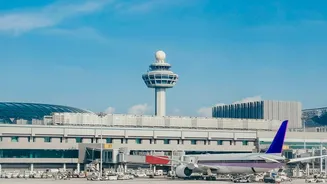
November 13, 2026, the U.S. Federal Aviation Administration (FAA) took the rare step of issuing a nationwide ground stop, halting nearly all domestic flight departures for several hours. The order was implemented after the system that provides radar and communications feeds to air traffic controllers became unstable. While flights already in the air were permitted to land safely, thousands of planes were held at their gates, causing a ripple effect of delays and cancellations across the country and impacting international travel. The disruption affected 17 of the FAA's 22 high-altitude air route traffic control centers, the nerve centers that manage aircraft over long distances. Officials quickly ruled out a cyberattack, stating the cause was a technical failure from within their own network.
A Single Router, A Massive Outage
The culprit was identified as a newly installed router at a communications facility in El Dorado, Arkansas. The router, part of a broader, long-term effort to upgrade the FAA's telecommunications from old copper wiring to modern fiber-optic lines, began behaving unexpectedly. According to the FAA's initial investigation, the device started flooding the network with an overwhelming number of connection attempts—around 1,000 every few seconds. This data deluge destabilized the legacy equipment it was connected to, creating instability in critical radar and communication systems. A similar issue was also identified at a site in Amarillo, Texas, which had recently undergone an upgrade. To stabilize the network, the contractor, L3Harris, had to block the malfunctioning sites and disable the problematic function on other new routers as a precaution.
The Domino Effect on Travelers
The nearly five-hour ground stop had immediate and widespread consequences. Over 12,000 flights were ultimately canceled in the immediate aftermath, with thousands more delayed, disrupting the plans of countless passengers just a week before the Thanksgiving travel rush. Major hubs like Chicago's O'Hare and Atlanta's Hartsfield-Jackson were heavily impacted. The chaos extended for days as airlines struggled to reset their schedules, reposition aircraft, and get crews back into place. The incident highlighted how tightly interconnected the national aviation system is, where a single point of failure can trigger a cascade of disruptions that takes days to resolve. For many travelers, the outage meant scrambling for alternate arrangements, with some turning to trains, leading to booking system issues for Amtrak as well.
A System Strained by 'Technical Debt'
This event wasn't a complete surprise to those who watch the FAA. For years, government watchdogs and industry experts have warned about the agency's aging infrastructure, some of which dates back decades. The challenge lies in what experts call 'technical debt'—the accumulation of compromises made over time by patching new technology onto legacy systems. While the FAA has been working on a massive modernization initiative, known as NextGen and more recently BNATCS, progress has been slow and complex. A Government Accountability Office report from September 2026 warned that the FAA's accelerated modernization plan lacked a coordinated master schedule, creating risks of disruption. This incident serves as a practical example of those risks, where an upgrade meant to improve the system instead caused it to fail because of unforeseen interactions between new and old components.
What Happens Next?
In the wake of the outage, the FAA paused further router installations pending a full investigation into why the equipment failed and how the failure was allowed to spread so widely. The incident has renewed calls from lawmakers and transportation officials for increased funding to accelerate the overhaul of the nation's critical aviation infrastructure. While officials stress that flying remains safe, the event underscores the urgent need for a more resilient system. The investigation is focusing on whether the problem was faulty equipment, an installation error, or a configuration issue. Ultimately, the incident is a powerful reminder that modernizing critical national infrastructure is not just about installing new parts, but about carefully managing the transition away from decades-old systems to ensure they can handle the demands of 21st-century travel without breaking down.