




More Than Just a Pretty Picture
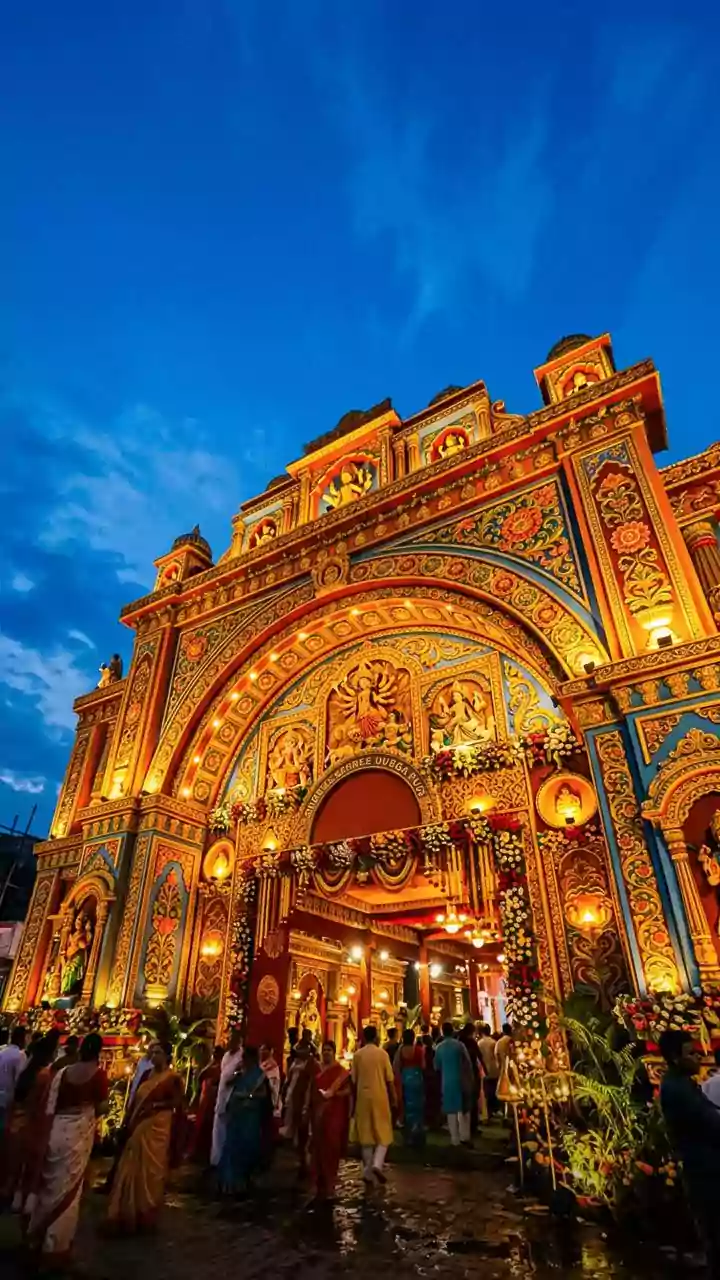
On screen, Durga Puja is an immediate shorthand for a certain kind of grandeur and cultural richness. Directors have long used the festival to establish a specific time and place, particularly the vibrant, literary world of Kolkata. In Sanjay Leela Bhansali’s
'Devdas' (2002), the Durga Puja celebration provides the setting for the iconic 'Dola Re Dola' song. The lavish sets, the red-and-white sarees, and the synchronized dancing of Paro and Chandramukhi create an unforgettable visual spectacle. This isn't just decoration; the festival, a celebration of divine feminine energy (Shakti), becomes the stage for the two women who love the same man to unite in dance, temporarily transcending social barriers. Similarly, Pradeep Sarkar’s 'Parineeta' (2005) uses the Puja to paint a nostalgic picture of 1960s Calcutta, with the traditional dhunuchi dance becoming a key moment that defines the relationships between the main characters.
A Stage for High Drama
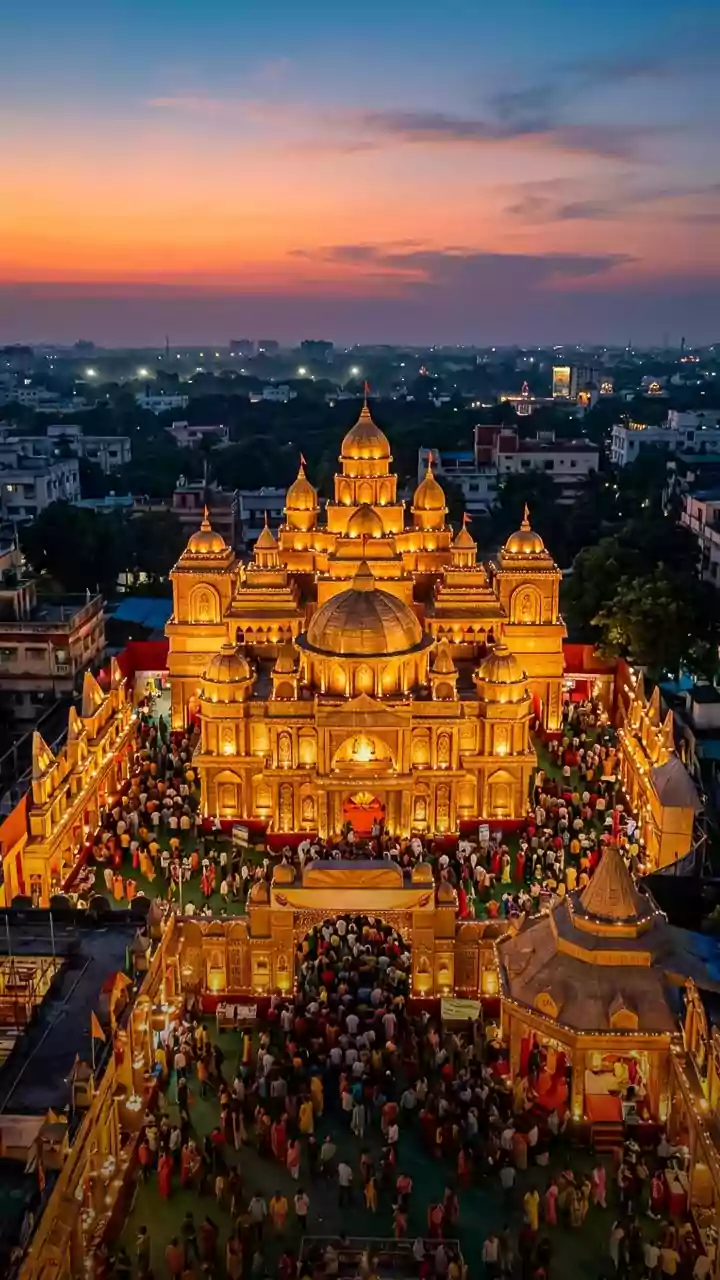
Beyond aesthetics, the festival is a perfect catalyst for drama. The built-in atmosphere of heightened emotion, large crowds, and public rituals provides a fertile ground for narrative turning points. Perhaps the most masterful use of Durga Puja as a plot device is in Sujoy Ghosh’s thriller 'Kahaani' (2012). The entire film unfolds in a Kolkata gearing up for the festival, with the sounds of preparation and the sight of idol-making workshops serving as a constant hum beneath the rising tension. The climax, set on Vijayadashami, the final day of the festival, uses the chaos and anonymity of the sindoor khela and idol immersion processions to stage its stunning reveal. Here, the teeming crowd is not just scenery; it is a crucial element that provides both a hiding place and a stage for the protagonist to execute her plan, blending into a sea of red-and-white sarees to escape.
Symbolism of Good Over Evil
At its core, Durga Puja celebrates the victory of good over evil, a theme that is the bedrock of mainstream Hindi film storytelling. Filmmakers often draw a direct parallel between the goddess Durga vanquishing the demon Mahishasur and their protagonist’s own struggle. In 'Kahaani', Vidya Bagchi’s quest for revenge is explicitly tied to this symbolism. She is a woman seeking justice, and her triumph on the last day of the Puja aligns her with the divine mother. This thematic resonance gives her personal vendetta a layer of righteous, almost cosmic, significance. The festival’s narrative becomes the film’s narrative. Other films, like the Raveena Tandon-starrer 'Daman' (2001), also directly invoke this theme, with a protagonist named Durga who rises against her abusive husband, embodying the spirit of the goddess herself.
Crowds as a Narrative Tool
The power of the festival crowd extends beyond just Durga Puja. In Hindi cinema, large, anonymous gatherings are a versatile tool. A bustling festival can be a romantic setting, as seen in 'Vicky Donor' (2012), where pandal-hopping in Delhi brings the lead couple closer and introduces them to each other's cultures. It can also be a place of conflict and confrontation. In 'Gunday' (2014), the festive backdrop of Puja highlights the growing rift between two friends. Crowds can provide cover for a chase sequence, a secret meeting, or a public assassination. They can represent the voice of the community, a source of chaos, or a sea of humanity in which characters can either find or lose themselves. The energy of the crowd—be it joyous, frenzied, or dangerous—directly translates to the mood of the scene, making it an active participant in the story.