





The Paneer Predicament
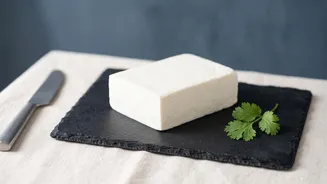
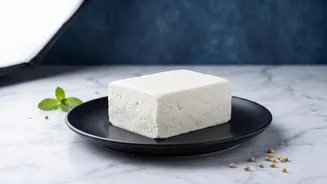
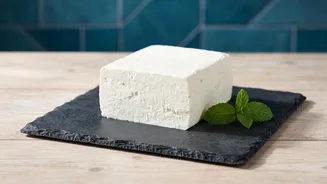
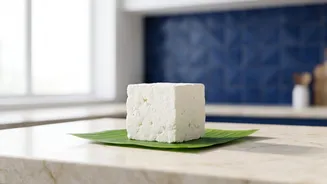
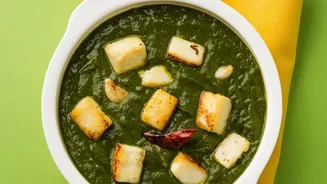
For years, consumers have faced a growing problem in the market: the rise of products that look and feel like paneer but are made with cheaper, non-milk ingredients. These are known as 'analogue' products. Traditionally, paneer is a fresh cheese made by
curdling milk with a food acid like lemon juice or vinegar. However, some manufacturers replace the natural milk fat and protein with vegetable oils, starch, and other substitutes. This practice can be misleading, as consumers believe they are purchasing a pure dairy product. Several states, including Maharashtra, Gujarat, and Karnataka, have already taken action, banning or restricting the sale of analogue paneer due to public health and consumer deception concerns.
FSSAI Proposes New National Standards
To create a uniform standard across the country, the Food Safety and Standards Authority of India (FSSAI) has stepped in. In late September 2026, it published the draft Food Safety and Standards (Prohibition and Restrictions on Sales) Amendment Regulations, 2026. The core of the proposal is simple but powerful: to restrict products made from non-milk ingredients from using the word "paneer" in their name, labelling, or marketing. This means a product made with vegetable fat cannot be legally called paneer. The FSSAI has invited public suggestions on these draft rules for a 60-day period before they are finalised.
Paneer vs. 'Analogue': What's the Difference?
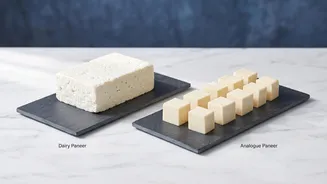
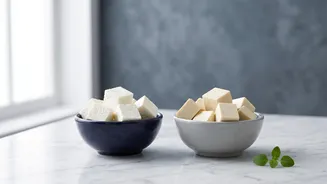
The distinction is crucial. Real paneer, as defined by FSSAI standards, is a milk product. Its primary ingredients are milk and milk solids. An analogue product, on the other hand, is designed to mimic paneer but replaces some or all milk components with non-dairy substitutes. This can include vegetable fat, plant proteins, starches, and emulsifiers. While analogue products are not illegal if labelled correctly, the problem arises when they are sold as genuine paneer, often at a similar price. These substitutes may have lower nutritional value, with less protein and more processed fats, and a different texture or taste when cooked.
What This Means for You, the Consumer
If these rules are enacted, you will have much clearer information when you shop. The term "paneer" on a package will serve as a guarantee that it is a genuine milk product. Products made with substitutes will have to be labelled differently, likely as 'analogue' products, and will be forbidden from using 'paneer' on the packaging. This empowers you to know exactly what you are buying and paying for. The rules are also expected to apply to restaurants and food services, which would need to disclose if they are using a paneer analogue in their dishes on menus. This transparency helps you make informed choices based on dietary needs, health preferences, and budget.