





Build Your Foundation on Staples
The secret to affordable nutrition lies in the staples that form the backbone of Indian cuisine. Whole grains, lentils (dals), legumes, and seasonal vegetables are your most powerful allies. Instead of chasing expensive trends, focus on perfecting the basics.
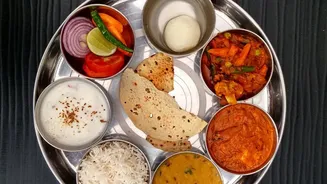
A simple meal of dal, rice or roti, and a vegetable sabzi is a complete nutritional powerhouse. This combination provides an excellent balance of carbohydrates for energy, protein for muscle repair, and essential fibre, vitamins, and minerals. Planning your meals around these foundational foods ensures you get maximum nutrition at a minimal cost. Buying staples like rice, flour, and dals in bulk can further reduce expenses, making it a sustainable practice for any household.
Mastering Your Macronutrients Affordably
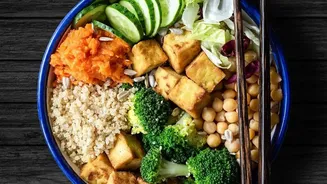
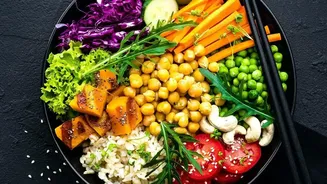
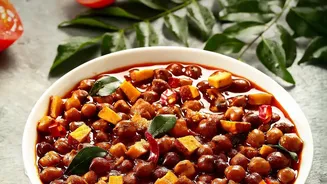
A balanced meal requires a thoughtful mix of carbohydrates, proteins, and fats. For carbohydrates, prioritise complex carbs found in whole grains like whole wheat atta, brown rice, and millets such as bajra and ragi. These digest slowly, providing sustained energy. For protein, the Indian vegetarian pantry is full of low-cost champions. Lentils and pulses like toor, moong, and masoor dal are excellent sources. Chickpeas (chana), kidney beans (rajma), and soya chunks also deliver significant protein at a low price. Soya chunks, in particular, are one of the most protein-dense and affordable options available. Healthy fats can be incorporated through small amounts of nuts, seeds, and traditional cooking oils used in moderation.
The Power of Combining Plant Proteins
A common concern with vegetarian diets is getting 'complete' protein, which contains all nine essential amino acids. However, this is easily solved through food combining, a practice already built into traditional Indian meals. Most plant proteins are 'incomplete' on their own, but when paired correctly, they fill each other's nutritional gaps. The classic combination of dal with rice or roti is a perfect example. Legumes are typically high in the amino acid lysine but low in methionine, while grains are the opposite. Eaten together, they form a complete protein profile, providing your body with all the essential building blocks it needs, no expensive supplements required.
Embrace Seasonal and Local Produce
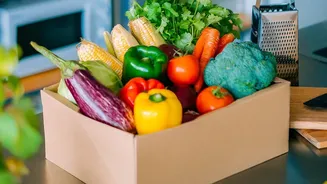
One of the simplest ways to eat well on a budget is to cook with seasonal vegetables and fruits. When produce is in season, it is available in abundance, which brings its price down significantly. Seasonal food is also fresher, more flavourful, and often retains more of its nutritional value compared to produce that has been transported over long distances and stored for extended periods. Building your weekly sabzis around what's local and in season—be it spinach and carrots in the winter or gourds and bhindi in the summer—ensures variety in your diet while keeping your grocery bills in check.
Smart Meal Prep and Planning
Deciding what to cook every day can be more stressful than the cooking itself. A little planning goes a long way. Dedicate a few hours over the weekend to do some basic prep. You can soak and boil legumes like chickpeas or rajma, make a large batch of onion-tomato curry base, or even cook a large pot of dal. A plain dal can be transformed into dal tadka one night and used in a khichdi the next. This strategy not only saves time on busy weekdays but also reduces the temptation to order expensive takeaway food. Thinking about leftovers as 'planned-overs' allows you to repurpose ingredients creatively; for example, a dry potato curry can become a filling for a paratha or sandwich the next day.