




A King Without a Kingdom
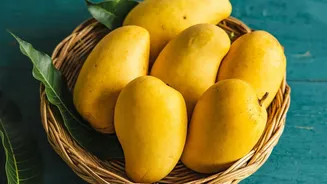
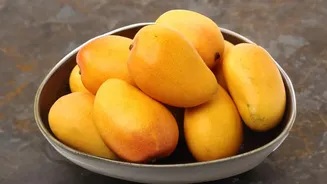
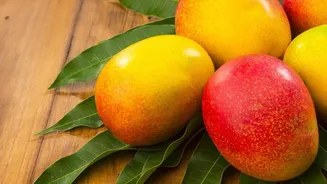
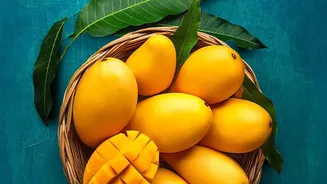
For mango lovers, the superiority of Indian varieties like the Alphonso and Kesar is a given. Yet, for nearly two decades, these fruits were effectively banned from the United States. The barrier wasn't taste or demand, but biology. US agricultural authorities
were deeply concerned about the risk of invasive pests, particularly fruit flies and the mango seed weevil, hitching a ride on shipments and potentially devastating American crops. This phytosanitary concern led to an import ban in 1989, closing the door to one of the world's most lucrative consumer markets. While other countries used methods like hot water treatment, these processes were too harsh for India's delicate, premium varieties, often destroying their unique texture and flavour. A uniquely Indian solution was needed.
Science Finds the Solution
The breakthrough came not from a farm, but from a laboratory. Scientists at the Bhabha Atomic Research Centre (BARC) perfected a process called gamma irradiation. This 'cold process' involves exposing the packed mangoes to a controlled, low dose of radiation from a Cobalt-60 source. The key purpose of this treatment is not to kill the pests outright but to render them sterile, neutralizing any threat to US agriculture. Crucially, the process does not make the fruit radioactive, nor does it alter the taste, texture, or nutritional content. It simply provides a scientifically verifiable guarantee that the fruit is safe from a biosecurity perspective. This technological solution became the cornerstone of India's proposal to reopen the mango trade.
The Diplomatic Dance
Having the science was only half the battle. The next step required years of patient diplomacy and negotiation. Indian and US officials, from the Department of Agriculture on both sides, engaged in extensive talks to build trust and establish a workable protocol. This culminated in the landmark agreement in 2006-2007, famously dubbed the 'nuclear mango deal' in some circles, which coincided with broader strategic discussions between the two nations under President George W. Bush and Prime Minister Manmohan Singh. The agreement was a classic example of trade reciprocity. In exchange for the US accepting irradiated Indian mangoes, India agreed to open its market to American agricultural products like cherries and alfalfa hay. This '2 Vs 2' market access deal demonstrated a new level of maturity in the Indo-US trade relationship.
Reaping the Sweet Rewards
The first legal commercial shipment of Indian mangoes landed in the US in April 2007, to much celebration. Since then, the export numbers have told a story of roaring success. The US has become one of the fastest-growing and most valuable markets for Indian mangoes, with exports crossing the $10 million mark in the 2023-24 fiscal year. This success has a direct, positive impact on Indian farmers, particularly small-scale growers in the GI-tagged regions of Maharashtra (for Alphonso) and Gujarat (for Kesar). Access to the high-paying American market provides them with better prices and a powerful incentive to adopt global best practices in cultivation and quality control. Government bodies like the Agricultural and Processed Food Products Export Development Authority (APEDA) have been instrumental in this process, registering orchards and ensuring compliance with the stringent US standards.