





The Pilates Approach: Control and Precision
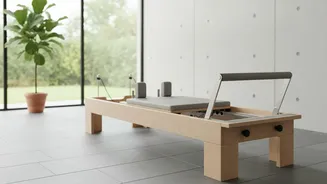
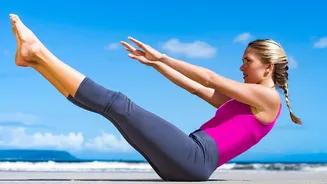
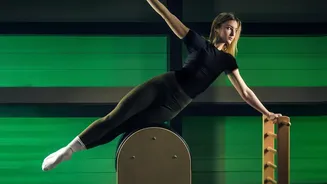
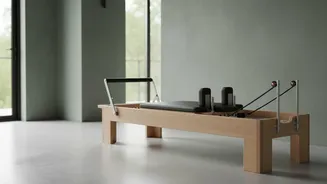
Pilates is a low-impact form of exercise that emphasises control, posture, and mindful movement. Its core principle is strengthening the body's 'powerhouse'—the deep abdominal muscles, pelvic floor, and the muscles supporting the spine. This method focuses
on engaging these stabilising muscles without high impact, which improves posture and reduces strain on the lumbar spine. Research consistently shows that Pilates is highly effective at reducing lower back pain, often more so than no exercise or even other basic strength routines. By teaching you to move with precision, Pilates helps correct the muscular imbalances and poor postural habits, such as sinking into one hip, that often contribute to back pain. The exercises are designed to create a strong, supportive 'corset' from within, protecting your back not just in the gym, but in daily life.
The Circuit Training Method: Intensity and Variety
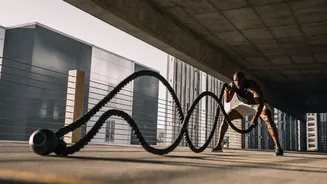
Circuit training is a completely different beast. It involves performing a series of different exercises in quick succession with minimal rest in between. This style combines strength and cardio, targeting multiple muscle groups for an efficient, full-body workout that keeps your heart rate elevated. Core work within a circuit might include dynamic movements like kettlebell swings, medicine ball slams, or fast-paced crunches. The primary goal is often intensity and calorie burn. While this can absolutely build a strong core, the risk comes from the speed. When fatigue sets in or the focus shifts to completing reps quickly, proper form can break down, placing excessive stress on the lower back. Exercises like traditional sit-ups or poorly executed deadlifts, which can appear in circuits, are known to compress the spine and can lead to strain or even disc injuries.
Core Engagement: A Tale of Two Techniques
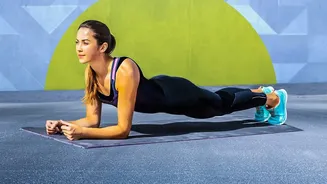
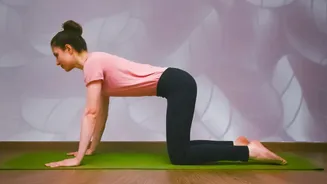
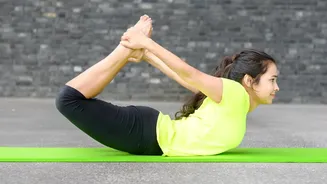
The fundamental difference lies in how each style engages the core. Pilates prioritises the endurance of deep stabilising muscles. It’s less about creating visible six-pack abs and more about building a resilient foundation that supports the spine under various loads. The breathing techniques in Pilates are integral, helping to activate deep core muscles and maintain stability throughout each movement. Circuit training, on the other hand, often targets the larger, more superficial abdominal muscles through high-intensity, dynamic movements. While this builds power, it can sometimes neglect the smaller, deeper muscles crucial for spinal health. An exercise like the 'Superman', sometimes included in circuits, has been shown to create a high amount of stress on the joints of the lower back. Pilates offers alternatives like the 'bird-dog', which strengthens the same area without overloading the spine.
The Verdict: Which Is Better for Your Back?
For preventing lower back strain, Pilates generally has the edge, especially for beginners or those with a history of back pain. Its focus on slow, controlled movements and deep core stabilisation provides a safer environment to build strength without risking injury. Studies have found it to be a superior method for alleviating and managing non-specific lower back pain. Circuit training is not inherently bad for your back, but it is less forgiving. It can be a highly effective workout if—and this is a big if—you maintain impeccable form. For someone with a strong existing core and good body awareness, circuit training can be a great option. However, for those concerned about back strain, the speed and high-impact nature can be risky. Rushing through movements or lifting too heavy are common culprits for exercise-induced back injuries.