





The Global Economy's Arteries
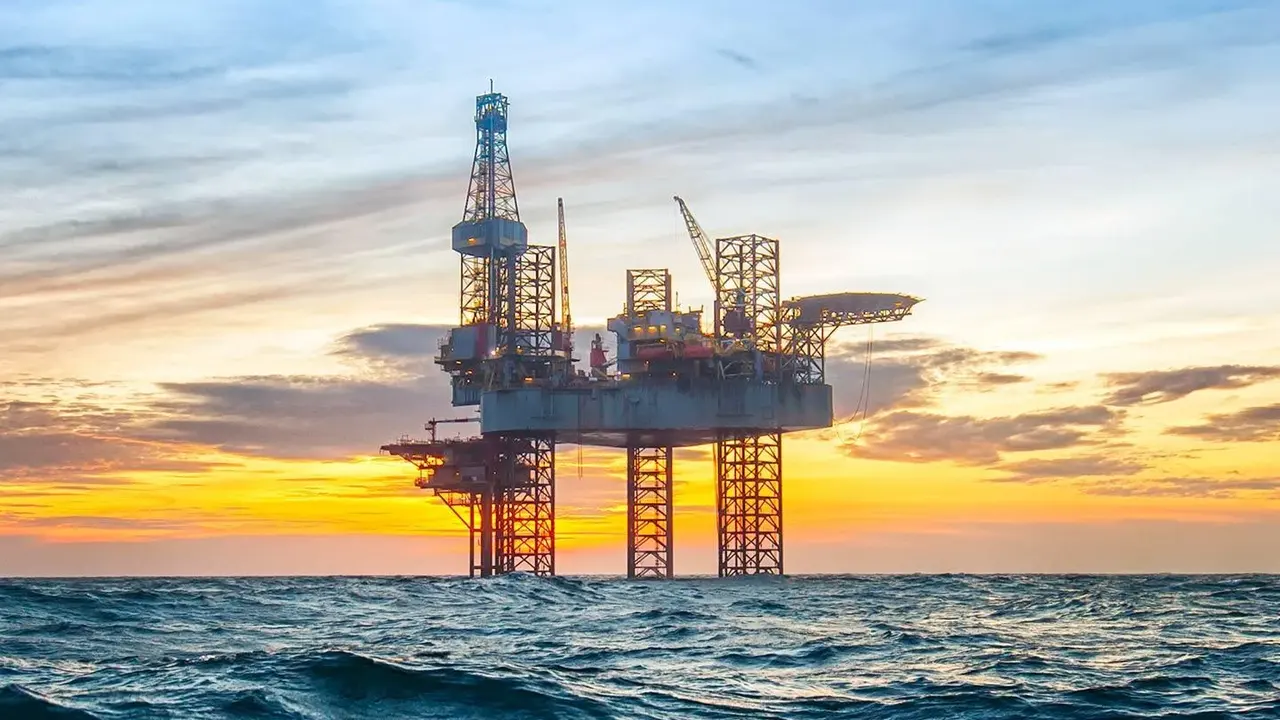
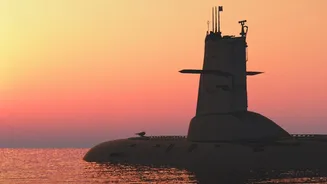
The Strait of Hormuz and the Bab el-Mandeb are two of the world's most critical maritime chokepoints. Think of them as the main arteries for the global energy supply. Hormuz connects the Persian Gulf to the open ocean, while Bab el-Mandeb links the Red
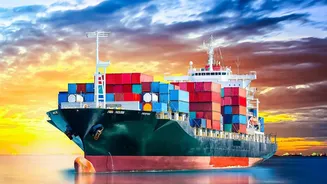
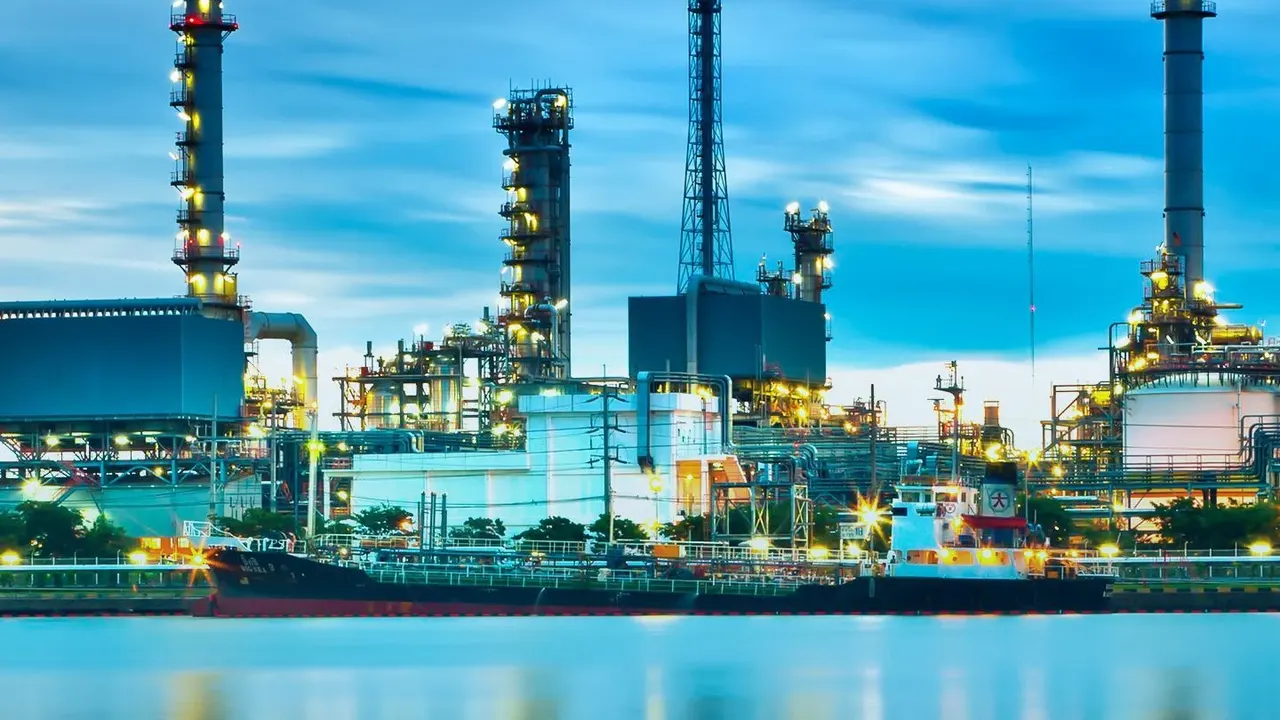
Sea to the Gulf of Aden and the Indian Ocean. Under normal conditions, a vast portion of the world's oil and liquefied natural gas (LNG) passes through these routes every day. The Strait of Hormuz alone handles about 20-25% of the world's total seaborne oil trade, which amounts to roughly 21 million barrels per day. The Bab el-Mandeb is another crucial corridor, seeing about 8.8 million barrels of oil pass through daily in 2023. Any disruption, let alone a simultaneous one, poses a direct threat to global energy security.
The Double Chokepoint Scenario
The $130-$135 price tag is not a random number; it represents a severe supply shock scenario. Such a price spike would likely be triggered by a significant geopolitical conflict that effectively closes or severely restricts transit through both straits. This could involve a blockade of Hormuz by Iran, coupled with attacks on shipping in the Bab el-Mandeb by actors like Yemen's Houthi rebels. Recent history shows how vulnerable these points are. Tensions involving Iran have led to periods where Hormuz was effectively closed to most commercial shipping. A dual-chokepoint crisis would mean that oil from major producers like Saudi Arabia, Iraq, the UAE, and Kuwait is trapped, and even rerouted supplies face threats. This creates a panic in the market, where the price reflects not just the lost barrels but also a massive "fear premium."
What $130 Oil Means for India
For India, a nation that imports over 85% of its crude oil, a sustained price of $130-$135 per barrel would be a severe economic blow. According to analyses by S&P Global Ratings and testimony from India's Chief Economic Adviser, such a scenario could shave up to one percentage point off India's real GDP growth. Every $10 increase in the price of a barrel of crude oil is estimated to widen India's current account deficit by about 0.4% of GDP. A surge to $130 would therefore put immense pressure on the nation's finances and the value of the rupee. It wouldn't just be an abstract economic problem; it would translate directly into higher prices at the pump for petrol and diesel.
The Ripple Effect on Daily Life
The impact goes far beyond fuel prices. Higher energy costs would cascade through the economy, increasing input costs for almost every industry, from manufacturing to agriculture. This leads to higher corporate borrowing and could see company earnings decline by 15-25%. For the average person, it means widespread inflation. The cost of transportation, food, and daily goods would rise, eroding household purchasing power. S&P analysis suggests a $130 oil scenario could push India's CPI inflation towards 5.5% or higher. The government would face a difficult choice: either pass the full cost on to consumers, risking public anger, or increase fuel subsidies, which would strain the fiscal deficit.
Is This Scenario Likely?
A complete, prolonged closure of both straits is a low-probability, high-impact event often described as a 'black swan'. However, the region is volatile, and smaller-scale disruptions are becoming more common. Analysts from Goldman Sachs and Rystad Energy have modeled scenarios where persistent disruptions in the Middle East could indeed push Brent crude to the $135 mark. They note that even threats, without a full closure, can add a significant risk premium to prices. While international pressure would be immense to reopen these waterways, the analysis shows that even a disruption lasting a few months could be enough to trigger the economic damage. Therefore, while the worst-case scenario remains unlikely, the risk is real and its potential consequences are too significant to ignore.