







What Exactly Is the Moratorium?
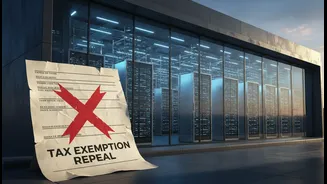
On July 14, 2026, New York's Governor Kathy Hochul signed an executive order halting the issuance of new state environmental permits for large-scale data centers for up to one year. Specifically, this pause affects new "hyperscale" facilities—massive
warehouses of servers that power everything from cloud computing to artificial intelligence—that are projected to consume 50 megawatts of power or more. This action doesn't impact permits from local governments, but it freezes the state-level environmental reviews necessary for these huge projects to proceed. The goal, according to the governor's office, is to give the state time to study the full environmental and community impacts of these facilities and create a comprehensive regulatory framework to manage them.
The Rise of the Data Giants
So, what are these "massive new computing facilities"? They are data centers, the physical backbone of the internet and the modern digital economy. Once seen as relatively benign office-like buildings, the scale and power demands have exploded, driven largely by the voracious computing needs of artificial intelligence. A single modern AI data center can consume as much electricity as 100,000 homes. States and localities have historically competed to attract these facilities, offering tax incentives in exchange for investment and jobs. However, the sheer size and resource appetite of new hyperscale and AI-focused data centers have changed the conversation, leading to growing pushback from communities concerned about their impact.
The Environmental Price Tag
The primary drivers of New York's moratorium—and similar debates flaring up in states like Virginia, Illinois, and Georgia—are energy and water. These facilities are incredibly power-hungry. In many places, this new demand is met by extending the life of fossil fuel power plants, which increases carbon emissions. Data centers often rely on backup diesel generators for emergencies, which can release significant amounts of air pollutants. They also require immense volumes of water for cooling their thousands of servers. A large data center can consume up to 5 million gallons of water per day, equivalent to the usage of a small city. This puts a direct strain on local water supplies, especially in areas already facing scarcity. The indirect water use is also staggering, as fossil fuel and nuclear power plants that provide the electricity are themselves major water consumers.
A Nationwide Tug of War
New York may be the first to enact a statewide moratorium, but it's part of a much larger trend. Across the country, the promise of economic development from data centers is clashing with concerns over strained power grids, rising utility bills for residents, and environmental degradation. In Virginia, the world's largest hub for data centers, fierce debates have led to new taxes on energy consumption instead of a full pause. Lawmakers in at least 15 states have considered moratoriums or stricter regulations in 2026 alone. Industry groups argue that a blanket pause will stifle innovation and drive investment to other states or countries. They advocate for targeted regulations rather than a complete stop. Meanwhile, community and environmental groups argue that a temporary halt is essential to develop responsible safeguards before irreversible damage is done.
What Happens Next?
During New York's one-year pause, the state's Department of Public Service will conduct a major environmental impact study to guide future rules. The outcome will be closely watched nationwide. The moratorium represents a pivotal moment, signaling a shift from outright recruitment of data centers to a more cautious, regulatory approach. The question is no longer just how to attract the tech industry, but how to manage its immense physical footprint. For the tech industry, it may spur greater investment in more efficient cooling technologies and a stronger push to power facilities with dedicated renewable energy sources. For other states, New York's experiment will serve as a crucial test case in the ongoing struggle to balance the demands of the digital age with the finite resources of the physical world.