








Start with Official Government Sources
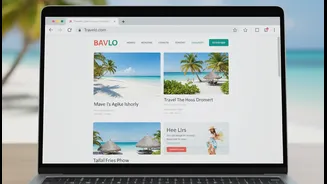
Before you type a single word into an application, your first step should be to find the official visa-issuing authority for the country you plan to visit. Scammers are experts at creating fake websites that look impressively real, complete with flags
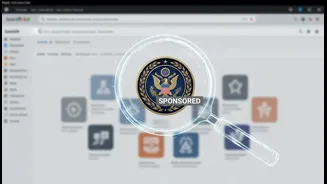
and official-looking logos. These sites exist to steal your information or charge exorbitant fees for services that are often free. Always start your search at the country's official government portal or its embassy website. A key giveaway is the web address. Official government websites typically end in a specific suffix, such as “.gov” for the United States. Be wary of third-party sites that appear high in search engine results; they often pay for that placement, while official portals may be further down. If a site promises guaranteed or faster approval, it is almost certainly a scam.
Secure Your Browser and Connection
Once you have located the correct website, ensure your connection is secure before entering any sensitive information. Look at the website's URL. It must begin with “https://”—the 's' stands for secure—and you should see a padlock icon in your browser's address bar. If either of these is missing, do not proceed. Avoid filling out applications on public Wi-Fi, such as in cafes or airports, as these networks can be easily monitored by criminals. If you must use public Wi-Fi, use a reputable Virtual Private Network (VPN) to encrypt your connection and shield your data from eavesdroppers. It is also wise to use a browser with strong, built-in privacy features. Browsers like Brave and Firefox are designed to block trackers and can offer an additional layer of security. Keeping your browser updated is also essential, as updates often contain critical security patches.
Scrutinise Every Email and Message
Phishing scams are a primary tool for visa fraudsters. You might receive an email, text, or social media message that appears to be from an official government body, a visa agent, or a consulate. These messages often create a sense of urgency, threatening deportation or offering a limited-time deal to pressure you into acting quickly. Government agencies rarely initiate contact through unsolicited emails or calls about your application status. Be suspicious of any communication that asks for personal details or directs you to a payment link. Carefully check the sender's email address; scam emails often use addresses that are similar to official ones but end in a generic domain like .com or .net instead of .gov. Never click on links or download attachments from suspicious emails. If you need to check your application status, navigate to the official website yourself and log in there.
Follow the Money: Payment Red Flags
How you are asked to pay can be the clearest sign of a scam. Official government bodies have specific, secure payment processes. They will never ask you to pay via wire transfer, gift cards, or cryptocurrency. These methods are untraceable and are a favourite of criminals. Legitimate visa fees are typically paid directly to the embassy or consulate cashier during your appointment or through an official online portal linked from the .gov website. Some governments, like the U.S., now require electronic payments via credit card or bank transfer for most applications, but only through their secure platforms. Be wary of third-party agents who demand large upfront fees before any services are rendered or who ask you to transfer money to a personal bank account. Remember, application forms themselves are almost always free on official government sites; you should only pay for the processing fee.
Beware of Unofficial ‘Helpers’
The visa process can be complex, leading many to seek help. While legitimate immigration lawyers and accredited representatives exist, the field is also rife with unauthorised consultants and scammers. In some cultures, a "notario" is a powerful legal figure, but in the U.S. and other countries, a notary public has no legal authority to provide immigration advice. Scammers posing as agents often promise unrealistic outcomes or special connections that can “speed up” the process. They may charge thousands for services that are incorrect or worthless, sometimes leading to outright application denial. Before hiring anyone, verify their credentials with the relevant government body or bar association. If someone guarantees you a visa, it's a 100% red flag. Always retain copies of your documents and never leave your original passport or birth certificate with an agent you haven't thoroughly vetted.