



The International Energy Agency (IEA) has issued a stark warning about the fragility of global energy markets, pointing to the Strait of Hormuz as a critical point of vulnerability. This narrow waterway is more than just a line on a map.
What is the IEA's Warning?
The head of the
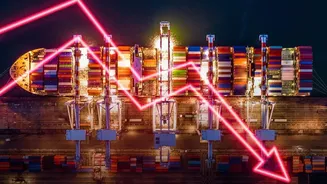
International Energy Agency, Fatih Birol, recently warned that global energy markets remain highly vulnerable to crises in the Middle East and may not normalize before 2028. Citing a simulated war scenario that began in February 2026 with a conflict involving the US, Israel, and Iran, Birol highlighted the profound impact of a potential closure of the Strait of Hormuz. He stated bluntly, 'The Strait of Hormuz has been closed once, it can be closed again'. This warning comes as Brent crude oil prices have hovered above $110 a barrel, driven by fears of escalating conflict disrupting supply. The IEA noted that such disruptions have already caused diesel prices to double from pre-conflict levels, indicating that the impact goes far beyond crude oil alone.
The World's Busiest Energy Artery
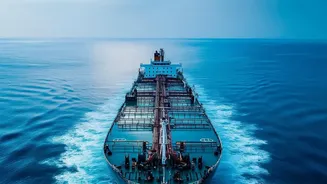
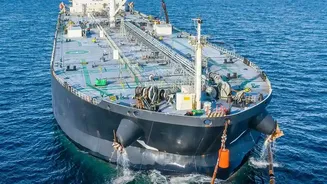
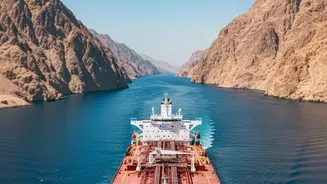
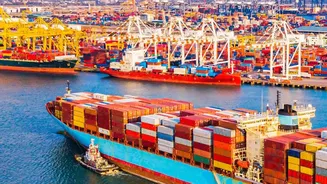
The Strait of Hormuz, a narrow channel connecting the Persian Gulf to the open ocean, is the world's most important oil chokepoint. Before the recent conflict, about 20-21 million barrels of oil passed through it daily, representing roughly one-fifth of global oil consumption and a quarter of all seaborne oil trade. To put that in perspective, this single passage handles a massive volume of energy exports from major producers like Saudi Arabia, Iraq, Kuwait, Qatar, and the UAE. Furthermore, about 20% of the world's Liquefied Natural Gas (LNG) also transits the strait, with a significant portion destined for Asian markets like China, Japan, South Korea, and India.
A History of High Tensions
The strategic importance of the strait has long made it a flashpoint for geopolitical tension, primarily involving Iran. In response to a simulated US-Israeli attack in early 2026, Iran retaliated by shutting down the waterway, laying sea mines, and attacking merchant ships. This event, which the IEA described as the 'largest supply disruption in the history of the global oil market', showcased how quickly regional conflict can choke global energy supply. Even as diplomatic efforts are underway, with countries like Pakistan mediating, tensions remain high. Iran has declared its readiness to target any US naval vessels in the region, creating a persistent atmosphere of risk and uncertainty for the thousands of vessels that would normally transit the area.
Why This Matters for India
For India, the stability of the Strait of Hormuz is not a distant concern; it is a matter of national economic and energy security. As the world's third largest oil importer, India relies on imports for about 85% of its crude oil needs. A significant portion of these imports, estimated between 45% to 65%, comes from the Middle East and must pass through the strait. Any disruption directly threatens these vital supplies. The impact extends beyond crude oil. India is also heavily dependent on the strait for imports of LNG and Liquefied Petroleum Gas (LPG), with some estimates suggesting 90% of its LPG imports pass through it. A blockage can therefore lead to physical shortages of cooking gas and feedstock for industries like fertilizers, affecting food security. The economic fallout is immediate: surging oil prices strain government finances, weaken the rupee, and lead to higher inflation, impacting the household budget of every citizen through higher fuel and food costs.
Navigating a Volatile Future
In response to these vulnerabilities, India has been taking steps to mitigate the risks. This includes diversifying its oil import sources, as seen with increased purchases from Russia when Gulf supplies were disrupted. However, recent data shows that as Hormuz transits have recovered, Indian refiners have quickly shifted back to more competitively priced and geographically closer Middle Eastern crude. The country is also building its Strategic Petroleum Reserves to create a buffer against supply shocks and is making a significant push toward renewable energy to reduce longterm fossil fuel dependency. Despite these measures, India's heavy reliance on seaborne energy imports means that the geopolitical climate in the Persian Gulf will remain a critical factor for its economic stability for the foreseeable future.