


The Power of a Pungent Bud
Cloves are the dried, unopened flower buds of the Syzygium aromaticum tree, native to Indonesia but a staple in global cuisines for centuries. Their flavour is intense, warm, sweet, and peppery, with a slightly bitter and astringent finish. This complexity
comes from eugenol, an aromatic compound that gives the spice its signature scent and a slightly numbing sensation. While many Indian kitchens use it as a key component in foundational spice blends like garam masala, its potential is vast. Whether used whole to infuse oils and broths or ground to blend seamlessly into a dish, the clove brings a unique depth and warmth that can transform simple ingredients into something special. A little goes a long way, and understanding how to wield its power is the key to unlocking its full culinary magic.
Aromatic Warmth in a Soup Bowl
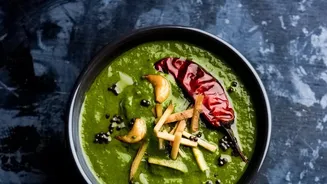
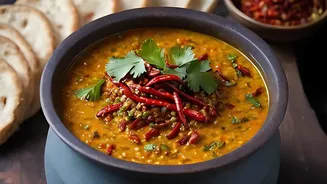
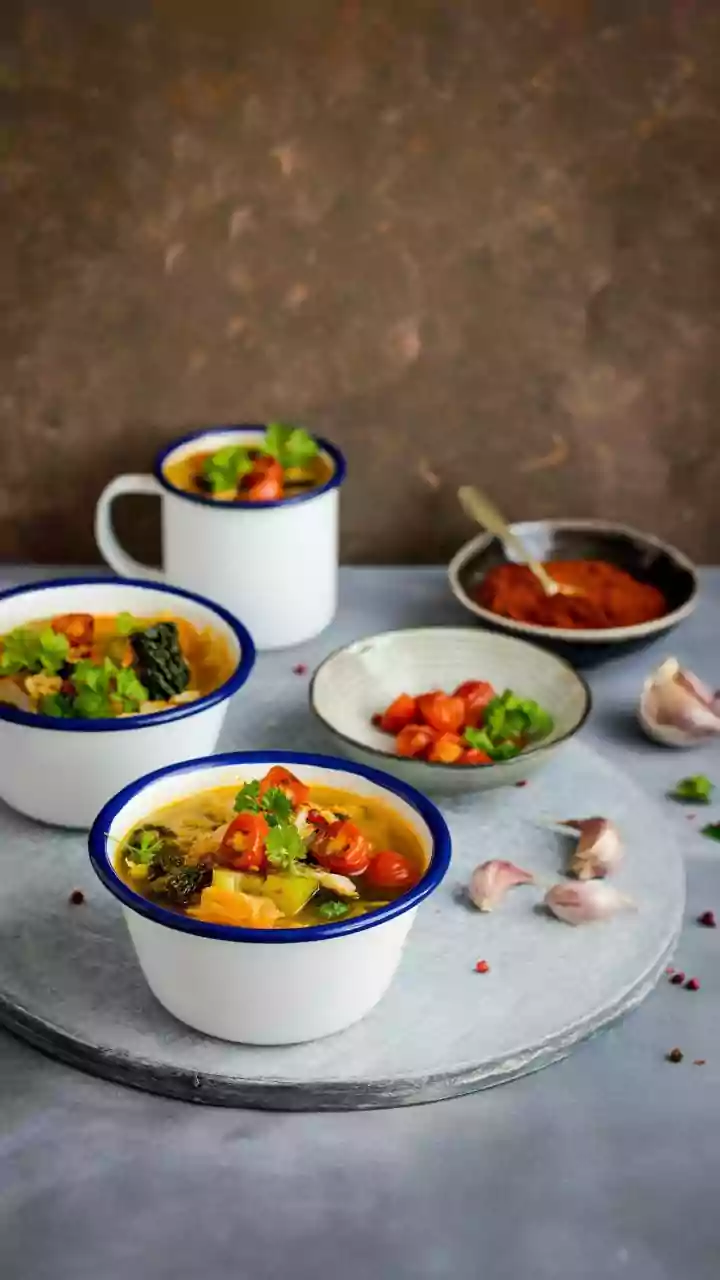
The idea of clove in soup might seem unusual, but its warming properties make it a natural fit for broths and hearty bowls. In many recipes, whole cloves are used to infuse the liquid, lending a subtle, aromatic background note that enhances other ingredients. Think of a classic tomato soup or a lentil shorba; a few cloves simmered with the other aromatics can add a layer of complexity that is both comforting and sophisticated. One clever technique involves studding an onion with whole cloves before adding it to the soup pot. This allows the spice to release its fragrant oils during cooking and makes it easy to remove before serving, ensuring a perfectly balanced flavour without the risk of an overpowering bite. The result is a soup with an unmistakable, gentle warmth.
The Heartbeat of Curry and Gravy
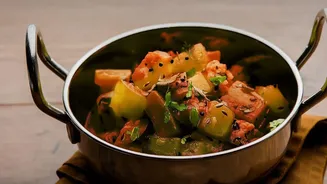
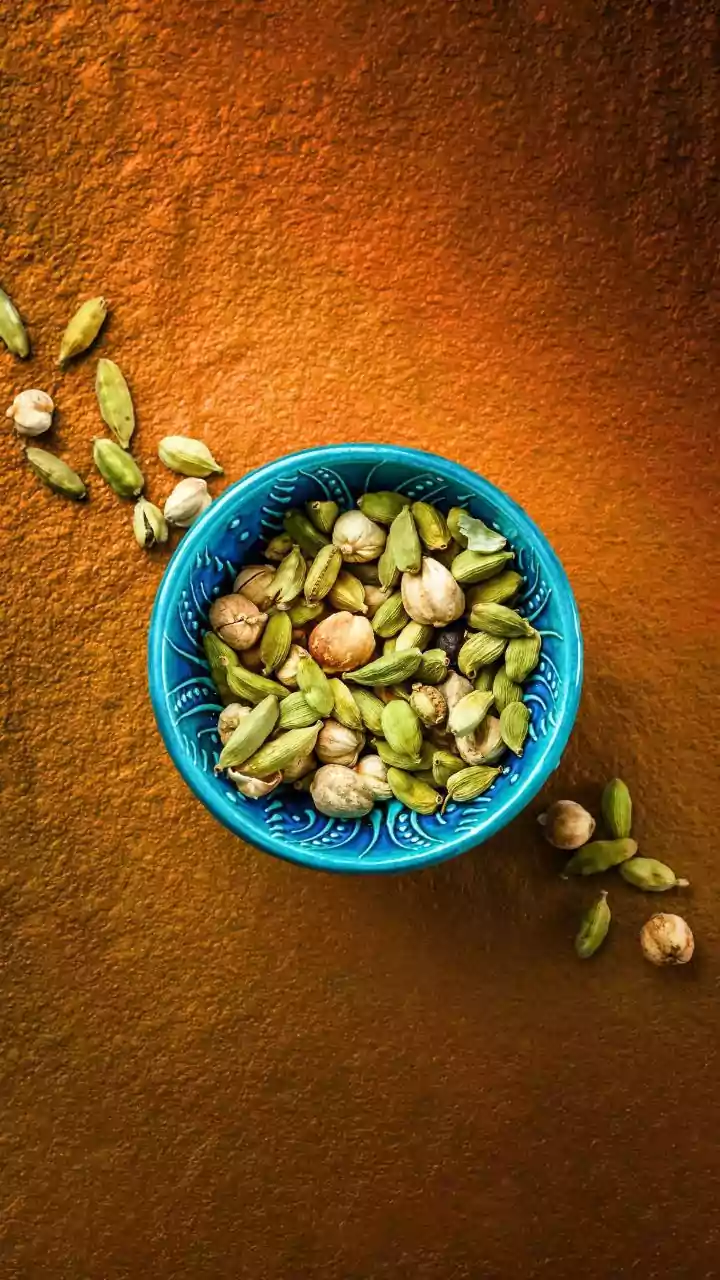
In the realm of curries, cloves are a cornerstone. They are fundamental to the architecture of flavour in countless North Indian dishes, where they are often bloomed in hot oil or ghee at the start of the cooking process—a technique known as tadka. This step releases their essential oils, which then perfume the entire dish. Cloves are rarely used alone; instead, they work in harmony with other whole spices like cinnamon, cardamom, and bay leaves to create a balanced aromatic base for rich meat and vegetable curries. As a key ingredient in garam masala, ground cloves provide a deep, earthy note that balances the warmth and zest of other spices in the blend. From a robust mutton rogan josh to a creamy vegetable korma, the contribution of clove is both foundational and unmistakable.
Fragrance and Flavour in Every Grain
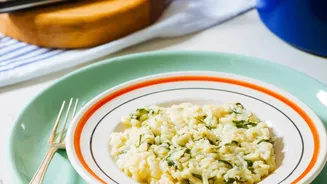
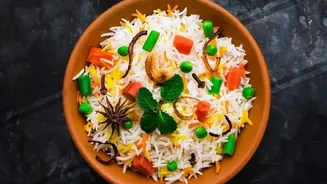
Few dishes showcase the aromatic power of cloves better than a well-made pilaf or biryani. When whole cloves are added to the pot with basmati rice and other spices, they gently infuse every grain with their signature fragrance. This process turns a simple side dish into a festive and flavourful centrepiece. In many traditional pulao and biryani recipes, cloves are part of the whole-spice mix (khada masala) that also includes cinnamon, cardamom, and bay leaves. As the rice cooks, it absorbs the complex aromas, resulting in a dish that is fragrant, flavourful, and visually appealing. Whether it’s a simple vegetable pulao or an elaborate layered biryani, the subtle yet persistent scent of clove is a hallmark of a truly celebratory rice dish.
A Surprising Twist in Sweet Treats
Perhaps the most unexpected appearance for cloves is on the dessert menu. While less common than in savoury cooking, a hint of ground clove can provide a surprising and delightful counterpoint to sweetness. Its warm, spicy notes pair beautifully with fruits, chocolate, and milk-based desserts. In Indian sweets, a pinch of ground clove can balance the richness of jaggery or sugar in dishes like kheer (rice pudding) or halwa. The traditional Bengali sweet Lavang Latika, or 'clove parcel', even makes the spice its namesake, using a single clove to seal a pastry filled with sweetened khoya. Even outside of Indian cuisine, cloves are a staple in baked goods like gingerbread and spice cakes, proving their versatility in the world of sweets.