
Why New Foods Can Be Scary
For many toddlers and young children, a fear of new foods, known as food neophobia, is a normal developmental stage. From an evolutionary perspective, this caution protected early humans from potentially harmful substances. For a child, a vegetable they've
never seen before isn't just food; it's an unknown object with a strange colour, an unfamiliar smell, and a weird texture. This sensory information can be overwhelming. The pressure to eat it can create anxiety, turning the dinner table into a battleground. When a child refuses a food, it’s often not about defiance but about sensory overload or a feeling of losing control.
What Is Sensory Play and How Does It Help?
Sensory play is any activity that stimulates a child's senses: touch, smell, sight, sound, and, eventually, taste. When it comes to food, this means interacting with vegetables in a low-pressure environment, away from the dinner table, where there is zero expectation to eat. The core principle is simple: familiarity reduces fear. By allowing a child to see, touch, and smell a piece of broccoli without the demand of tasting it, you strip away the anxiety. This repeated, playful exposure helps their brain build positive pathways, signalling that the new food is safe and not a threat. Over time, poking a bell pepper can lead to smelling it, then maybe licking it, and finally, taking a bite.
Veggie Art and Stamping
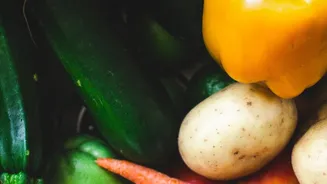
Art is a fantastic entry point for sensory food play. Use florets of broccoli or cauliflower as paintbrushes, or slice carrots, bell peppers, and potatoes to create unique stamps. Provide some edible, taste-safe 'paints' like yogurt or purees and let your child create a masterpiece. The focus is on the creative process, not the food itself. They’ll feel the bumpy texture of the broccoli and the smooth skin of a pepper slice, all while associating these vegetables with a fun, expressive activity. This hands-on exploration makes the vegetables feel less intimidating.
Build and Create
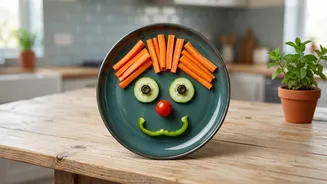
Turn vegetables into building blocks. Slice carrots and cucumbers into thick coins and see who can build the tallest tower. Use toothpicks to connect pieces of bell peppers, celery sticks, and cherry tomatoes to construct colourful sculptures or funny creatures. This kind of play encourages children to handle the vegetables, notice their shapes and sturdiness, and engage their problem-solving skills. They become architects, not just eaters, giving them a sense of control and making the vegetables fun tools rather than scary food items.
Guessing Games
Engage senses other than just sight and touch. The 'feely bag' is a classic game where you place different vegetables inside a cloth bag and have your child guess what they are just by touching them. You can also play a smelling game with your eyes closed. Ask them to describe what they feel or smell. Is it bumpy or smooth? Does it smell earthy like a carrot or fresh like a cucumber? These games build vocabulary and encourage children to think about the properties of food in a playful, curious way.
Garden and Farm Role-Play
Create a simple sensory bin to mimic a garden. Fill a tub with dried black beans or brown rice to act as 'dirt' and hide toy or real vegetables inside for your child to 'harvest'. Give them small shovels, bowls, and brushes. You can extend this play by setting up a station to scrub the vegetables with water and a brush. This connects the food to its origin and normalises the act of handling and preparing it, just like grown-ups do. By acting out the process of farming and cooking, children gain a deeper, more positive connection to their food.