


The Challenge of Lunar GPS
Imagine driving your car but needing to call a command centre thousands of kilometres away for every turn. That's essentially been the reality of lunar navigation. Historically, missions relied on the Deep Space Network, a system of massive Earth-based
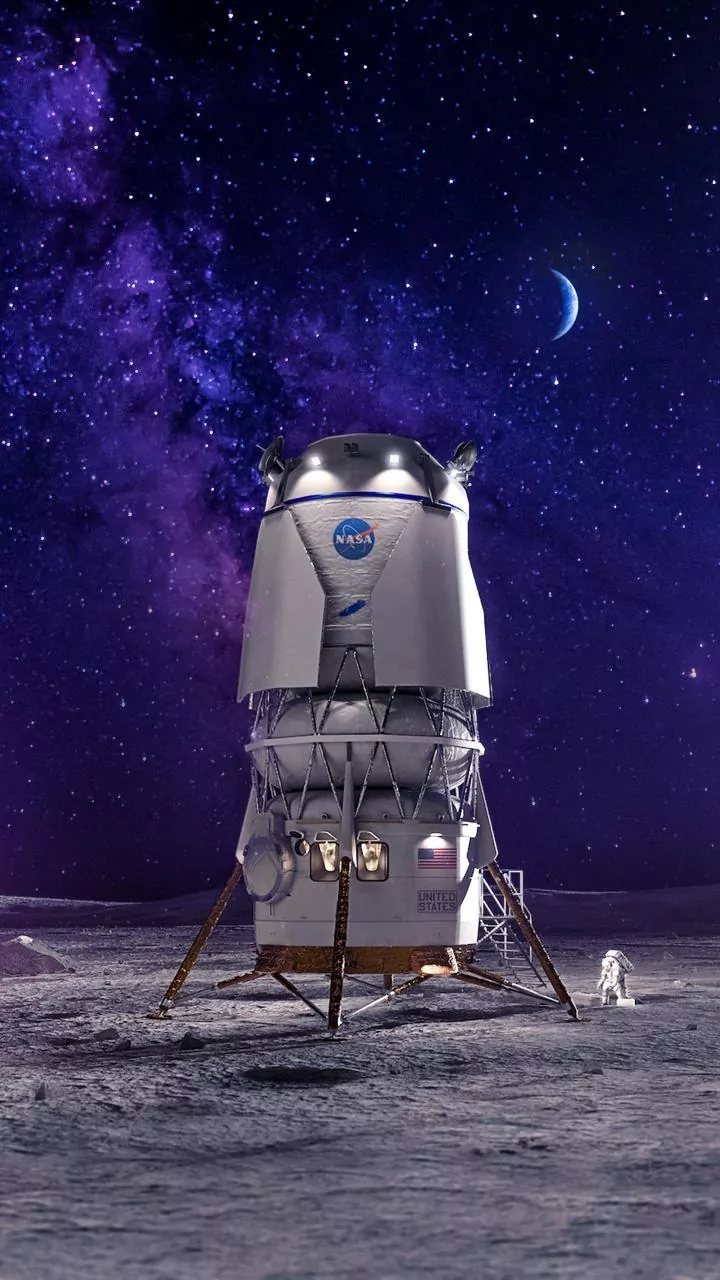
radio antennas, to track a spacecraft's position and velocity. This method is reliable but slow and resource-intensive, creating a bottleneck as cislunar space gets busier. The communications delay, even at just a few seconds, makes real-time, independent decision-making impossible. For the fast-paced, complex operations planned for the Artemis era—like landing precisely near a habitat or avoiding hazards—this old model is simply not sustainable.
Enter the Lunar Navigation Payload
NASA is pioneering a solution that sounds remarkably familiar: giving the Moon its own version of GPS. A key piece of this is a new generation of lunar navigation payloads. One such device, the NavCube3-mini, is a compact receiver, about half the size of a shoebox, designed to do something incredible: catch the faint, stray signals from Earth's Global Navigation Satellite Systems (GNSS), like the US-based GPS and Europe's Galileo, at lunar distances. These signals were never intended to reach so far, but with highly sensitive receivers, NASA can use them to establish a spacecraft's position, velocity, and time, all without needing to phone home.
How This Creates Autonomy
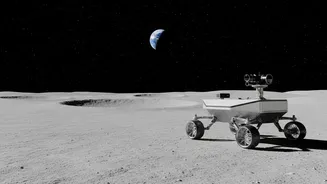
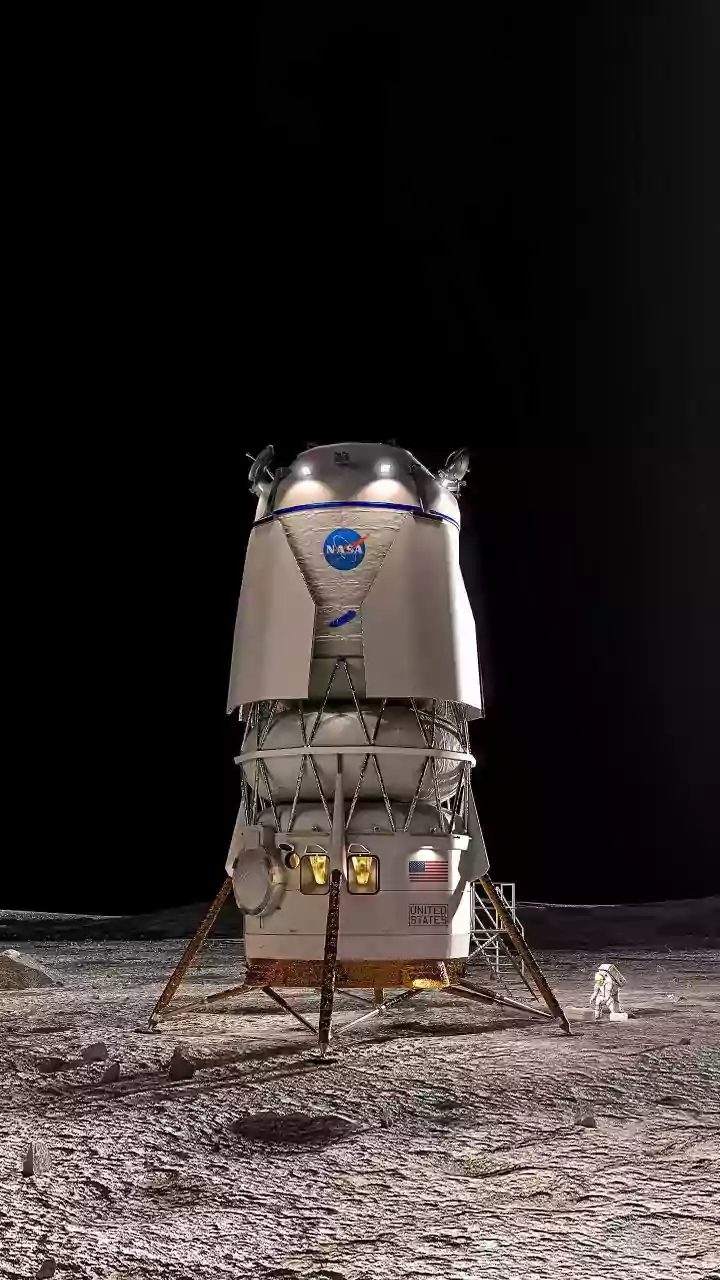
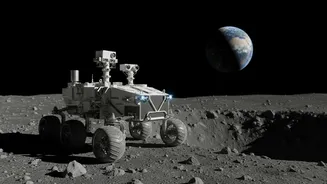
Autonomy is the crucial next step for deep space exploration. By equipping spacecraft, landers, and even rovers with these advanced GNSS receivers, NASA enables them to calculate their own location in real time. This capability is transformative. It means a lunar lander can adjust its descent path instantly to avoid a new crater, or a rover can navigate the treacherous, shadowed regions of the lunar South Pole without constant guidance from mission control. This independence increases mission safety, efficiency, and resilience, allowing spacecraft to react to the dynamic space environment immediately. Recent milestones, like the successful acquisition of GPS and Galileo signals on the Moon by the LuGRE experiment, have proven the concept is viable.
Building LunaNet: An Internet for the Moon
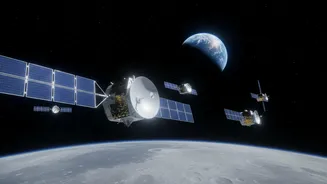
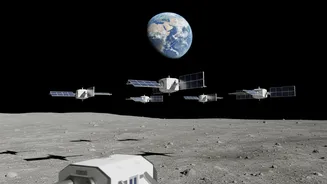
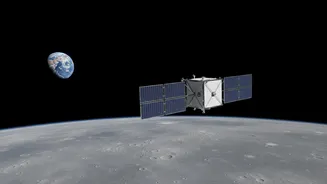
These navigation payloads are a foundational element of a much grander vision called LunaNet. NASA imagines LunaNet as an internet-like framework for the Moon, providing not just navigation but also communication and science services to any user—be it NASA, a private company, or an international partner. Think of it as a celestial network of interconnected satellites and ground stations creating a service environment similar to what we have on Earth. A company like Intuitive Machines is already building a commercial lunar relay satellite, Altus-1, which will carry a NASA navigation payload. This collaboration is a key part of the strategy: building a flexible, interoperable network that supports a burgeoning lunar economy.
Why It Matters for India and the World
This technological leap is not just a NASA project; it's setting the standard for a new, collaborative era of space exploration. For a space-faring nation like India, with its own successful lunar missions and ambitious deep space goals, the development of interoperable systems like LunaNet is critical. It creates opportunities for international partnerships and ensures that future Indian missions can plug into a common infrastructure. By providing precise navigation and timing services, this technology lowers the barrier to entry for commercial companies and other nations, accelerating scientific discovery and resource utilisation on the Moon. The move toward autonomous navigation is a key enabler for a permanent, sustainable human presence beyond Earth, turning the Moon from a destination into a hub for further solar system exploration.