




The New High Ground
For decades, space has been integral to military operations, primarily for communication, surveillance, and navigation. However, a significant shift is underway. The major world powers—namely the United States, China, and Russia—increasingly view space not
just as a support arena, but as a warfighting domain in its own right. This evolution has been underscored by recent, and unusually public, announcements. In September 2026, the United States confirmed for the first time that it has weapons deployed in orbit, a move intended to deter rivals but which also risks accelerating an arms race. The Outer Space Treaty of 1967 bans weapons of mass destruction in orbit, but a dangerous grey area exists for conventional weapons, a loophole nations are now beginning to exploit.
What Are Orbital Weapons?
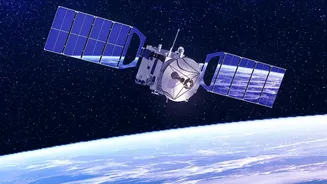
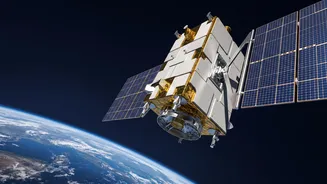
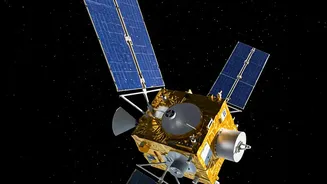
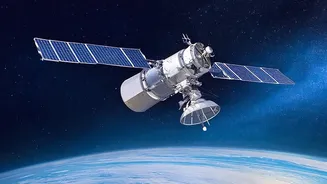
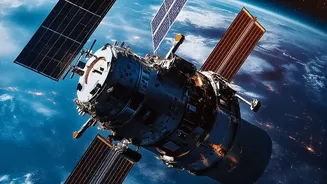
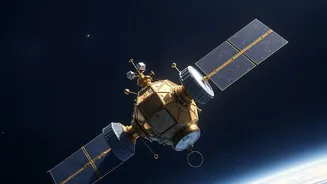
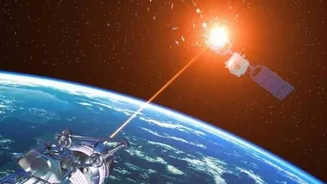
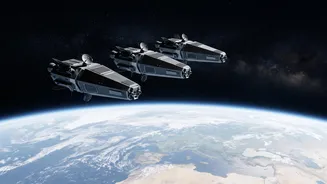
Orbital weapons are not necessarily about dramatic explosions. Many are designed for subtle but devastating effect. The main types being developed and deployed include co-orbital anti-satellite weapons (ASATs), which are essentially satellites designed to track, disable, or destroy other satellites using robotic arms, chemical sprayers, or by simply colliding with them. Another category is directed-energy weapons, which use lasers or high-powered microwaves to permanently blind or damage a satellite's sensitive sensors. Electronic warfare, such as signal jamming, is also a key component, capable of disrupting communications over vast areas. Finally, there are ground-based missiles, which countries like the US, Russia, China, and India have all demonstrated their ability to use to destroy satellites in orbit.
Consequences for Your Daily Life
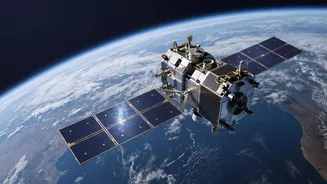
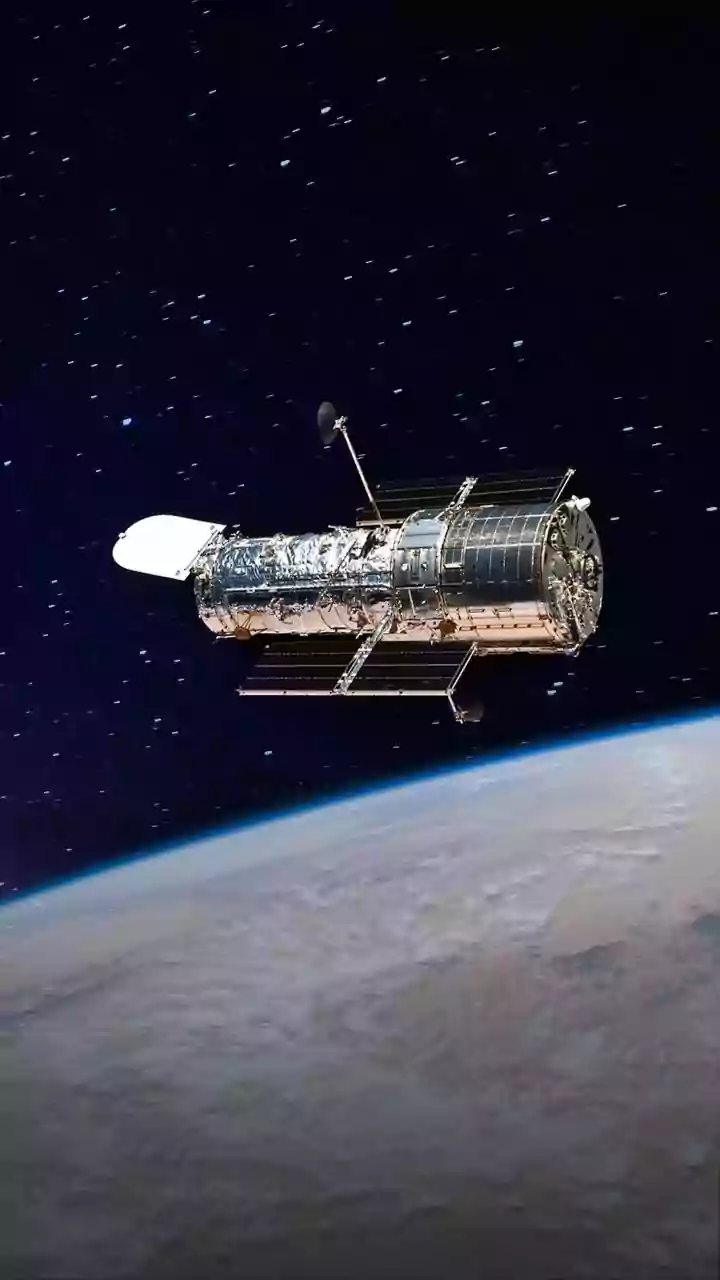
This is where the abstract threat of space conflict becomes very real. Modern society is critically dependent on a network of thousands of satellites. An attack on this infrastructure would trigger a cascade of failures on Earth. Global navigation systems like GPS would be one of the first casualties, disrupting not only the map on your phone but also logistics, shipping, and emergency services that rely on precise timing and location data. The global financial system would face chaos, as banking and stock market transactions depend on satellite-provided timing signals for synchronisation. Even basic services like weather forecasting and television broadcasts could be knocked out. The disruption of these 'quasi-civilian' systems is a stated possibility in the doctrines of some nations.
A Debris-Filled Future
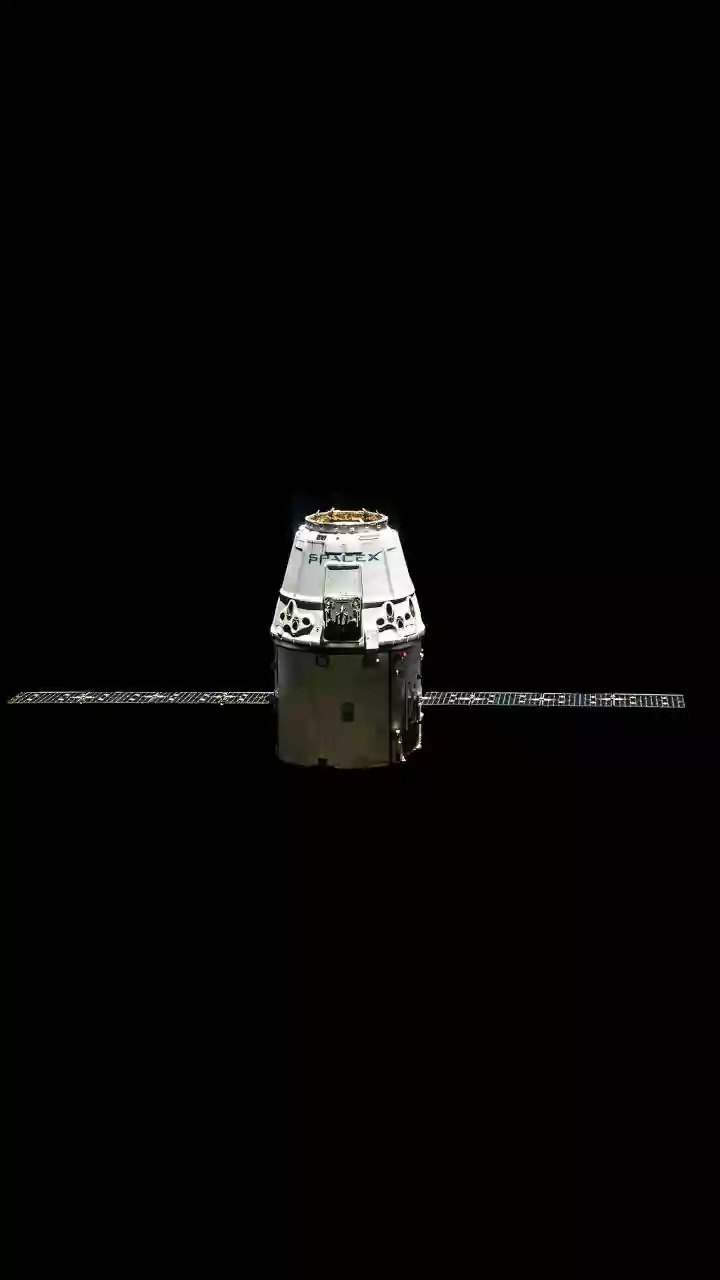
One of the most dangerous and lasting consequences of using kinetic weapons—those that physically destroy a target—is the creation of orbital debris. A single satellite shattering can create thousands of pieces of high-velocity shrapnel. This cloud of junk can remain in orbit for decades, posing a lethal threat to every other satellite, including those belonging to neutral countries and commercial entities like SpaceX's Starlink. In a worst-case scenario, this could lead to the 'Kessler Syndrome,' a runaway chain reaction where collisions create more debris, which in turn causes more collisions, eventually rendering entire orbital paths unusable for generations. A Russian ASAT test in 2021 was widely condemned for creating over 1,500 pieces of trackable debris that threatened the International Space Station.
An Accelerating Arms Race
The recent US admission of having weapons in orbit, following years of accusations aimed at Russian and Chinese activities, marks a new, more transparent and potentially more dangerous phase of space militarisation. China and Russia have both responded with warnings against turning space into a battlefield. India, having conducted its own ASAT test in 2019, is also a key player in this complex dynamic. While nations claim these capabilities are for deterrence and defence, the line between offensive and defensive weapons in space is worryingly thin. This escalating cycle of development and deployment, driven by mutual suspicion, makes the prospect of a conflict in space—and its disastrous consequences on Earth—more likely than ever before.