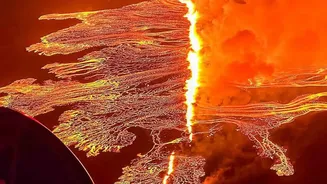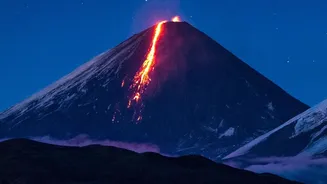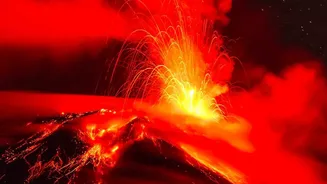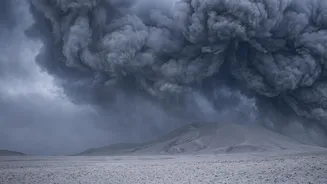



Hunga Tonga-Hunga Haʻapai, Tonga (2022)
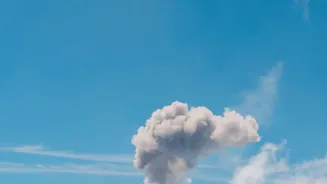
The eruption of the underwater Hunga Tonga-Hunga Haʻapai volcano in January 2022 was, by many measures, the most powerful of the 21st century. It was the largest explosive event recorded with modern instruments, creating a blast more powerful than any US
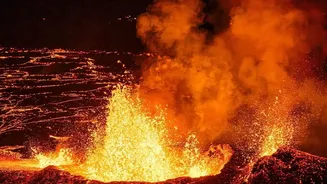
nuclear explosion. The eruption sent a plume of ash and gas an astonishing 58 kilometres into the atmosphere, setting a world record for the highest volcanic plume ever recorded by satellite. It also injected an unprecedented amount of water vapour into the stratosphere, enough to fill over 58,000 Olympic-sized swimming pools. The atmospheric shockwaves were so immense that they circled the planet multiple times, and the explosion generated a devastating tsunami that caused widespread damage in the Kingdom of Tonga. Scientists estimate its explosive energy was equivalent to millions of tons of TNT, rivaling the historic 1883 Krakatoa eruption.
Eyjafjallajökull, Iceland (2010)
While not the largest in terms of sheer explosive force, the 2010 eruption of Iceland's Eyjafjallajökull volcano had an outsized impact on the modern world. Its power lay in its disruption. The eruption occurred beneath a glacier, and the interaction of hot magma and cold ice created a plume of very fine, abrasive volcanic ash. This ash cloud was carried by winds directly over Europe, one of the world's busiest air corridors. Concerns that the tiny glass-like particles could damage and shut down jet engines led to the largest closure of airspace since World War II. Over about eight days, more than 100,000 flights were cancelled, affecting around 10 million passengers and costing the airline industry billions. The event was a stark reminder of how a single geological event could bring the highly connected global transport network to a grinding halt.
Mount Merapi, Indonesia (2010)
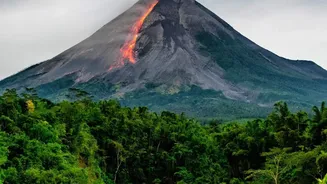
Later that same year, Mount Merapi in Indonesia, one of the most active and dangerous volcanoes in a country full of them, unleashed its most powerful eruption since the 1870s. Located in a densely populated region of Central Java, the series of explosive events from October to November 2010 had a devastating human cost. The eruptions produced pyroclastic flows—fast-moving currents of hot gas and volcanic matter—that raced down the slopes at terrifying speeds, engulfing entire villages. More than 350,000 people were evacuated from their homes, and tragically, over 350 people lost their lives. The eruption blanketed the region in ash, contaminated water supplies, and caused lahars (volcanic mudflows) during subsequent rainfall, highlighting the deadly and multifaceted threat posed by volcanoes located near major population centres.
Puyehue-Cordón Caulle, Chile (2011)
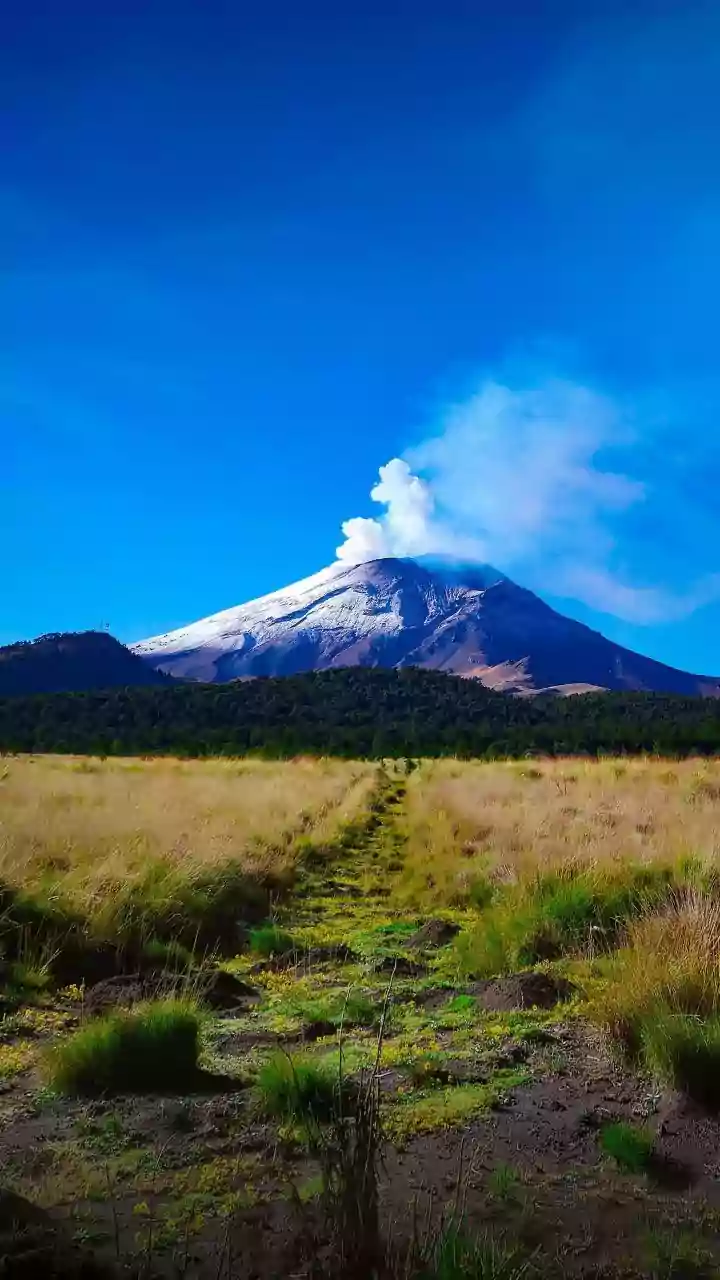
The eruption of the Puyehue-Cordón Caulle volcanic complex in Chile in June 2011 was notable for its sheer volume and global reach. After lying dormant for over 50 years, the volcano roared to life, sending a plume of ash 12 kilometres high. The eruption ejected an estimated one hundred million tons of ash, sand, and pumice. The resulting ash cloud was so large that it circled the entire Southern Hemisphere in about two weeks, disrupting flights not only in neighbouring Argentina but as far away as Australia and New Zealand. The event was classified as a VEI 5 on the Volcanic Explosivity Index, a logarithmic scale where each number represents a tenfold increase in explosive power. It was one of the largest eruptions of the century, demonstrating how a single volcano can have a truly planetary impact.