



The Science of Ripening
The secret culprit behind your prematurely spoiled produce is a natural, invisible, and odourless gas called ethylene. Many fruits begin producing this hydrocarbon gas as they mature, triggering the ripening process. Ethylene helps break down cell walls
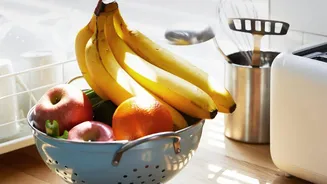
and convert starches into sugar, which is what makes a firm, green banana become soft and sweet. However, when certain fruits are stored together, the concentrated ethylene gas can dramatically accelerate this process, leading to rapid decay not just for the fruit producing it, but for any sensitive produce nearby. This is why that beautiful, mixed-fruit bowl on your counter might actually be a recipe for waste.
The Ethylene Producers
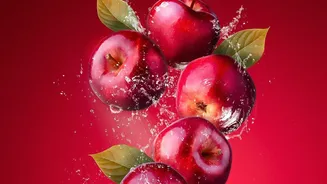
Some fruits and vegetables are known for being high producers of ethylene gas. Think of them as the influencers in your kitchen, speeding up the ageing process for everyone around them. Apples are one of the most prolific producers, but they are not alone. The list of top ethylene emitters includes ripe bananas, avocados, peaches, pears, plums, nectarines, and cantaloupes. Tomatoes also release ethylene gas as they ripen. Storing these items together will cause them to ripen each other much faster than if they were kept apart. While this can be a useful trick if you want to ripen a hard avocado or green bananas quickly, it’s a problem when you’re trying to make your groceries last.
The Ethylene-Sensitive Crowd
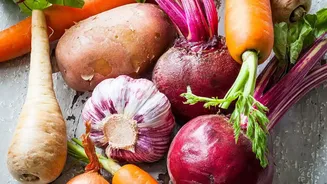
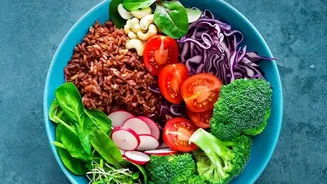
On the other side are the fruits and vegetables that are highly sensitive to ethylene. Storing these next to a producer is a surefire way to watch them wilt, yellow, or rot ahead of their time. The sensitive list includes many common vegetables like leafy greens, broccoli, carrots, cucumbers, asparagus, and green beans. For example, ethylene can cause carrots to become bitter, asparagus to turn tough, and leafy greens like lettuce and spinach to develop spots and decay quickly. Interestingly, some fruits are both producers and sensitive to their own gas; apples can become mealy and unripe bananas can be prevented from ripening properly if over-exposed.
Smarter Storage Strategies
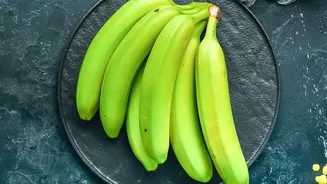
The solution is simple: separation. Store ethylene-producing fruits away from ethylene-sensitive ones. Instead of one large fruit bowl, consider having two, or keeping your apples in a bag in the refrigerator, which slows down their ethylene production. Keep sensitive vegetables like broccoli and leafy greens in the high-humidity crisper drawer of your fridge, away from producers like apples or peaches. For bananas, you can slow their ripening by separating them from the bunch and even wrapping each individual stem in a bit of plastic wrap to contain the ethylene gas they release. On the other hand, potatoes and onions, while they shouldn't be refrigerated, also need to be stored separately from each other in a cool, dark, and dry place.
Beyond the Fruit Bowl
Mastering the art of produce storage goes beyond just separating apples and bananas. A few more simple habits can extend the life of your food significantly. Always wait to wash produce like berries until right before you plan to eat them, as excess moisture encourages mould growth. Store leafy greens and herbs with a dry paper or tea towel inside a bag to absorb extra moisture and prevent wilting. Many vegetables, such as carrots, leafy greens, and broccoli, do best in the high-humidity drawer of your refrigerator, while most fruits prefer the low-humidity drawer. By understanding which foods are friends and which are foes in storage, you can keep your produce fresh, flavourful, and on your plate instead of in the bin.